






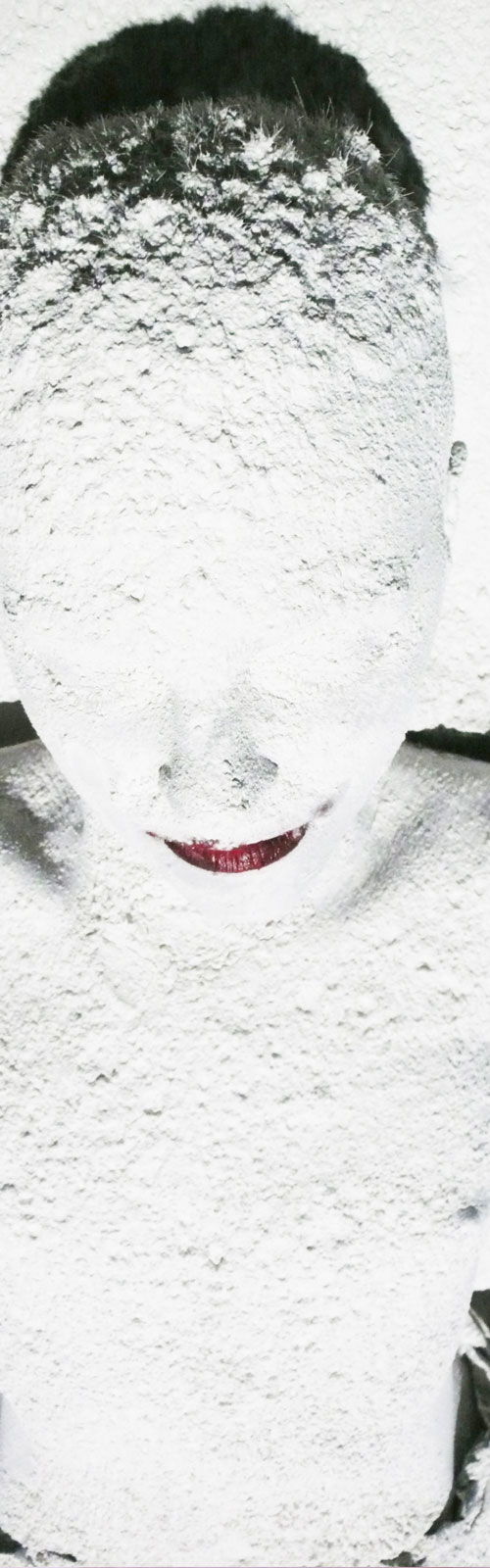
RC HECUBA
“DEVASTA, NOT THE EYES, WHICH ARE NO LONGER THERE. BUT THEIR CAVITY”. THE FURY WITHOUT ANY PURPOSE. IF NOT THE FURY FOR THE FURY
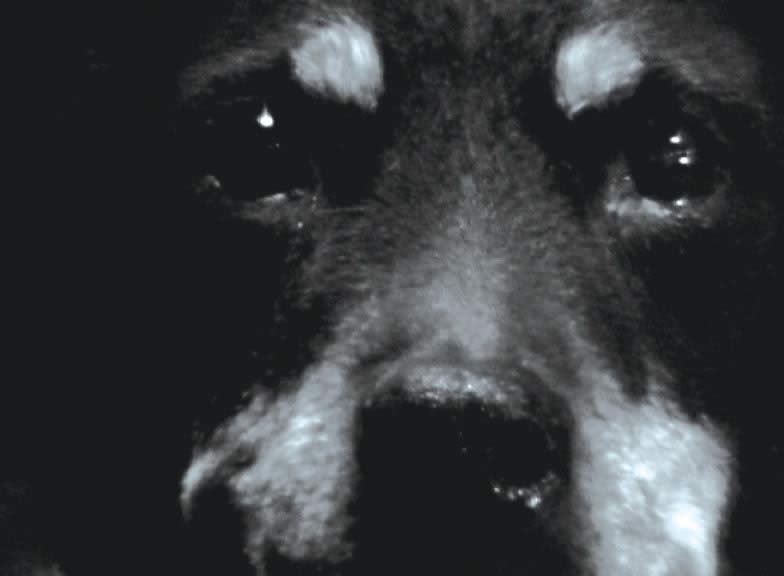
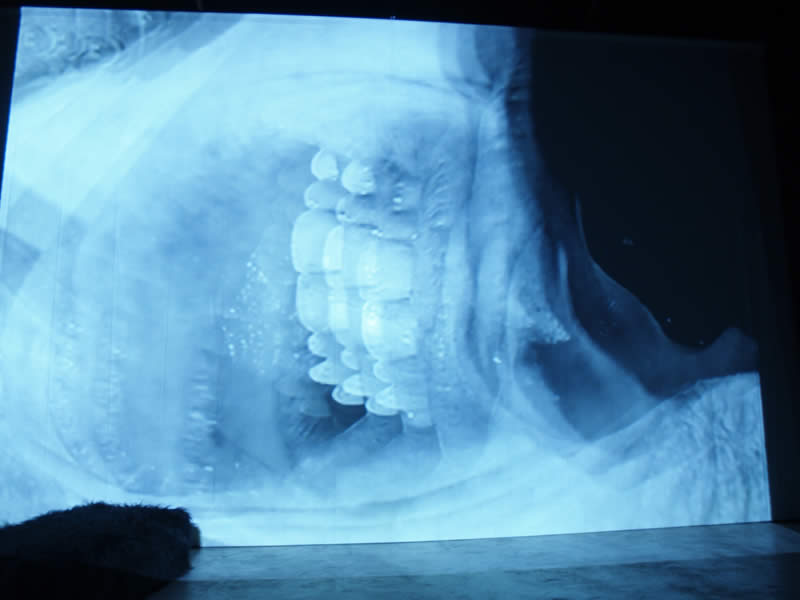
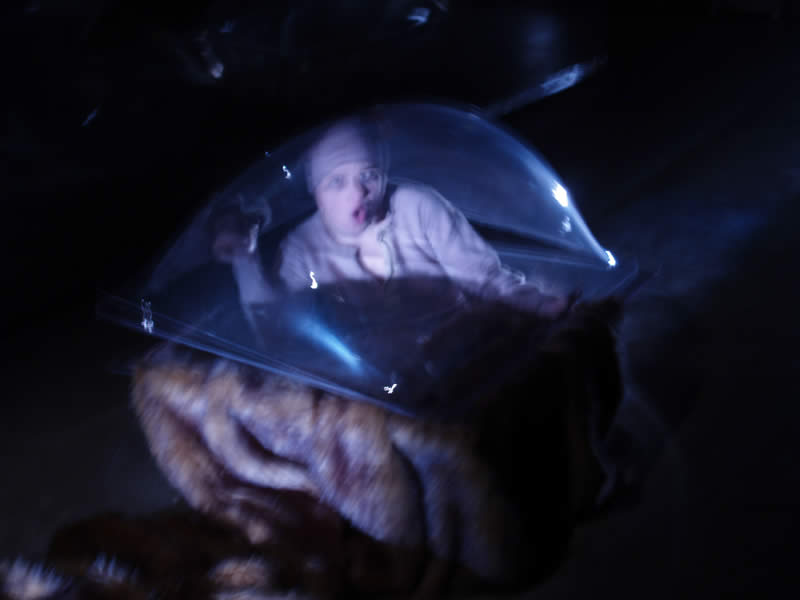
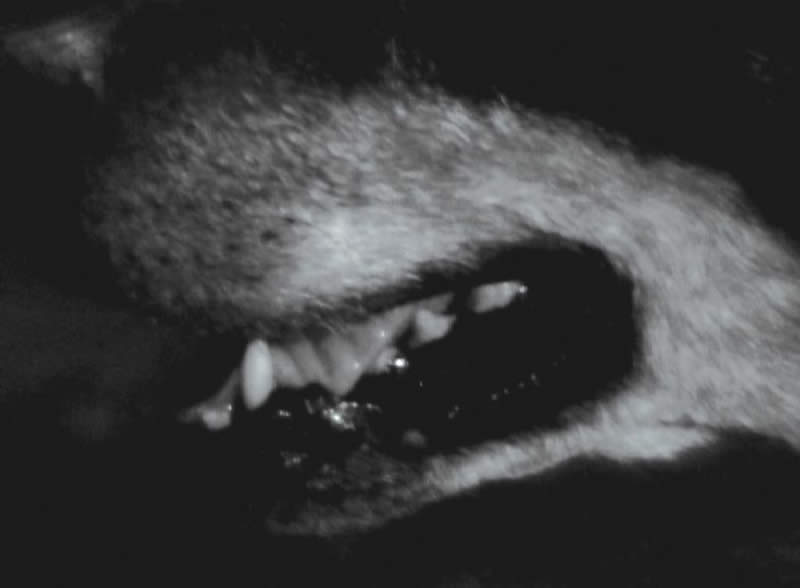
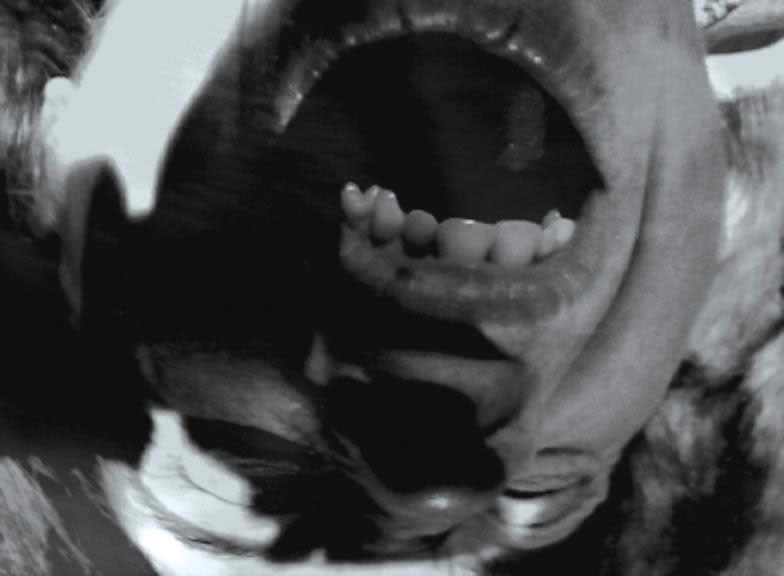
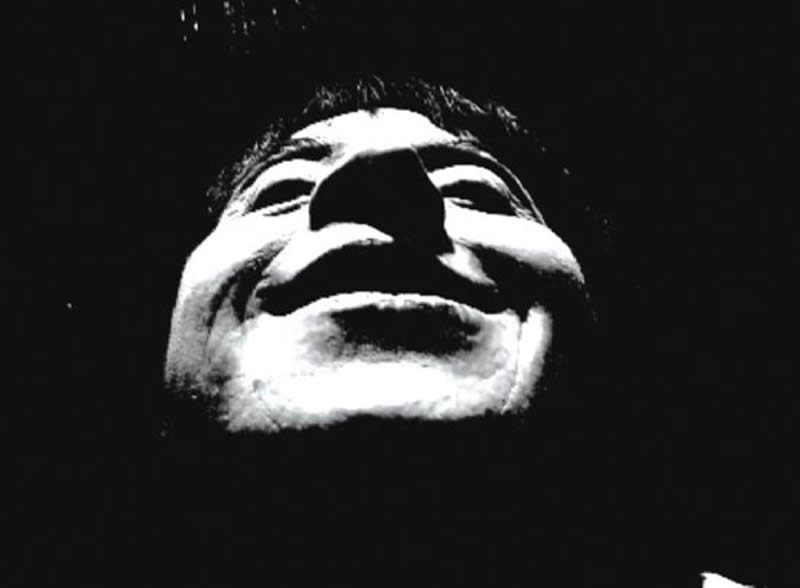
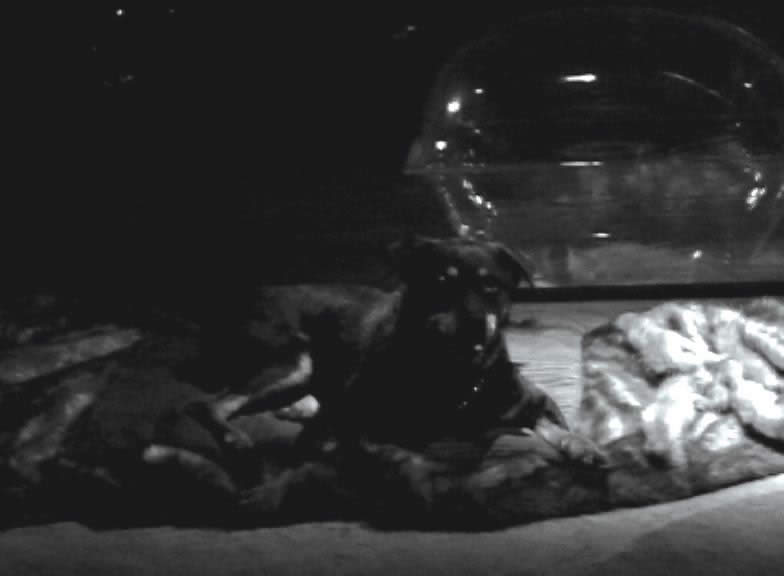
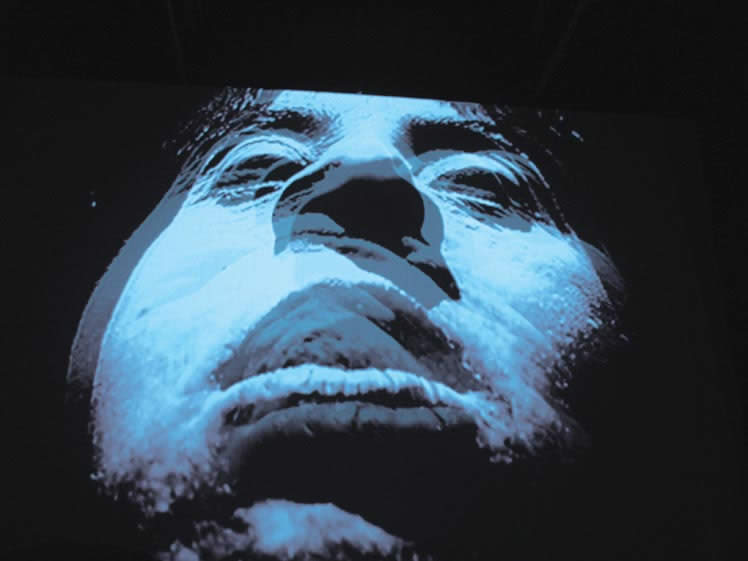
“Hecuba_RC_05 finds its artistic reason in Barbara Voghera's interpretation, superior sensitive actress - underlines Maria Federica Maestri -, interpreter of the heaviest dramaturgical monument staged by L.R. Shakespeare's 'Hamlet'. The metamorphic form of Hecuba, the queen who turns into a bitch, it is elaborated in the double human and bestial kingdom. Barbara Voghera will talk on video with an old sick dog.
The Queen who loses pride, rationality, and power, capable of grasping stones with his mouth, is reflected in the natural tragedy of the animal that has lost strength and power. To restore the authenticity of the bestial element, the performance must not be based on the corporeality of the representation. The absoluteness of the image, its distance from theatrical plausibility, his linguistic filtering of the tragic feeling establishes an ethical field in which to enhance the real proximity to the thin border between human and animal".
The video path that will see Lenz actress Barbara Voghera on stage together with an old sick dog, in the desire to establish an emotional comparison between the ruin of the Queen who was given as a slave to Odysseus after the Trojan War and the animal into which she will be transformed, it was a poetic choice necessary to establish a sort of ethical distance to restore tragedy in the clean form of the video image. Queen of Troy, second wife of Priam to whom he had fathered 19 of the 50 children (including Hector, Paris, Elèno, Cassandra, Polissena, Polydorus), was assigned – after the fall of Troy – as a slave to Odysseus.
Tradition has it that having learned in a dream from his dead son Polydoro that Polimèstor - the king to whom the child had been entrusted together with the treasures of Troy - was guilty of his killing, Hecuba had his eyes gouged out and for this she was condemned to stoning. However, it is said that under the stones instead of the corpse, a bitch with fiery eyes was found. After Elisa Orlandini, another of the fundamental actresses for Lenz Rifrazioni takes part in the new project, lending herself to the interpretation of Ovidian text which will be presented on video but preserves the historical memory of the Parma company: Barbara Voghera, protagonist of Ham-let in the tragic and baroque role of the Prince who focuses on the process of poetic simulation of madness.
HECUBA
from The Metamorphoses of Publius Ovidius Naso
creation || Maria Federica Masters | Francesco Pititto
translation | playwriting | imagoturgy || Francesco Pititto
installation | wrappers | plastic elements || Maria Federica Masters
musica || Andrew Azzali
sound direction || Maria Federica Masters
performer || Barbara Voghera
Project care || Lisa Gilardino
light design || Gianluca Bergamini | Andrea Morarelli