






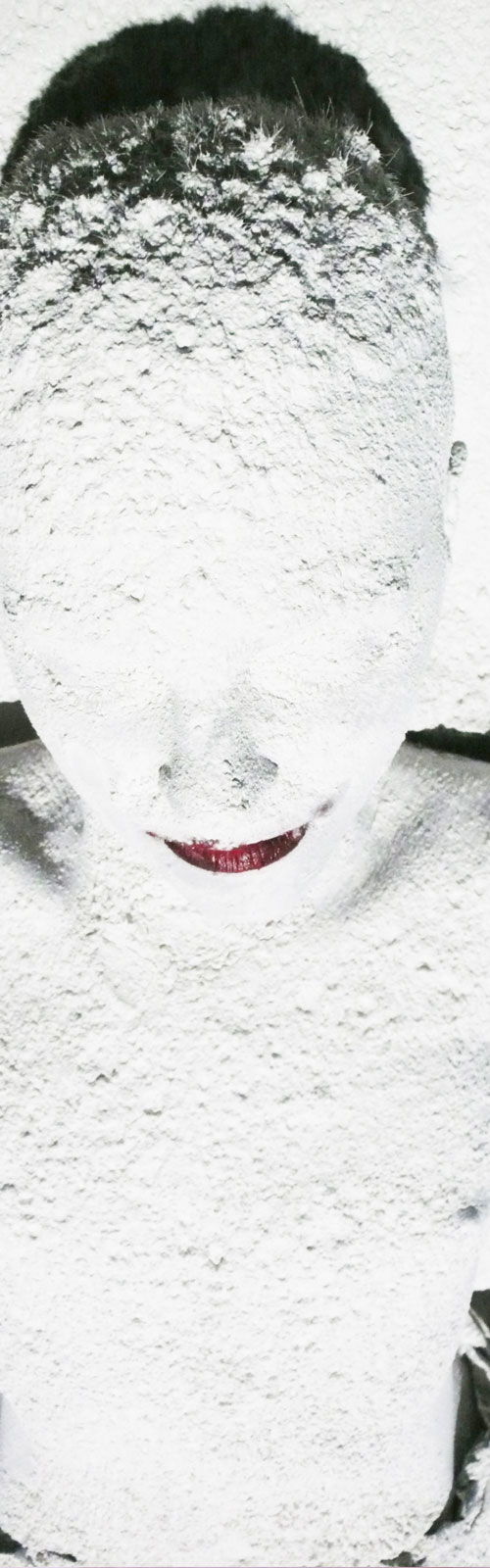
URFAUST
The Urfaust, the first draft of Goethe's work is the object of the dramaturgical investigation in the first year of the three-year project. The search for Ur – the origin of the first access to Faustian work, revealed the existence of a great connection between the artificial romanticism of the German folk tale - the sagas rewritten by the Brothers Grimm, and the attempt at tragedy “new” pursued by Goethe.
The unveiling takes shape in the Song of the Little Bird, taken from the fairy tale The Juniper, sung by Margherita in the final prison scene. The song contains the founding elements of the fairy tale: violence, the harshness, the bloodiness of words and actions herald and originate the resurrection of the victim in a new reharmonized world. But the modern-romantic tragic of Goethe's Faust, after having nourished himself with popular food, stops at the threshold of resurrection and condemns Margaret to an unredeemed death, plunging her into the chaos of madness, in disharmony without salvation and without love.
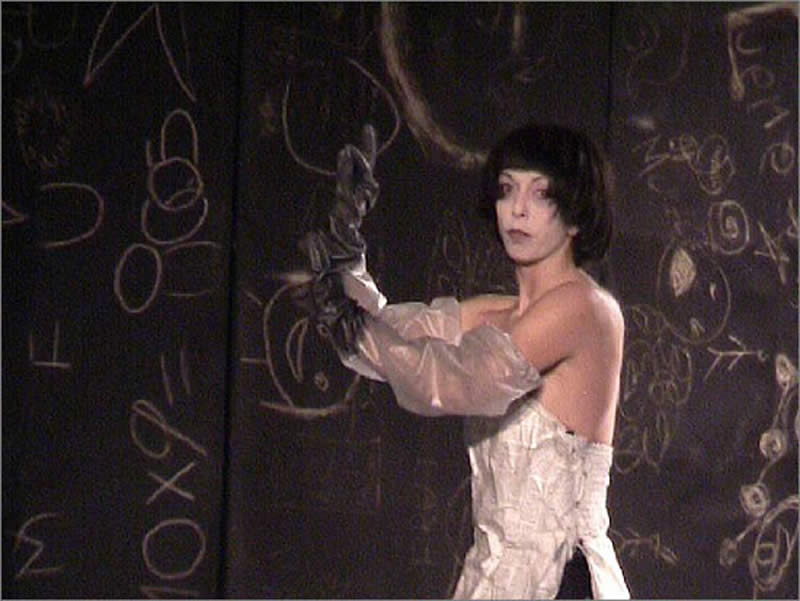
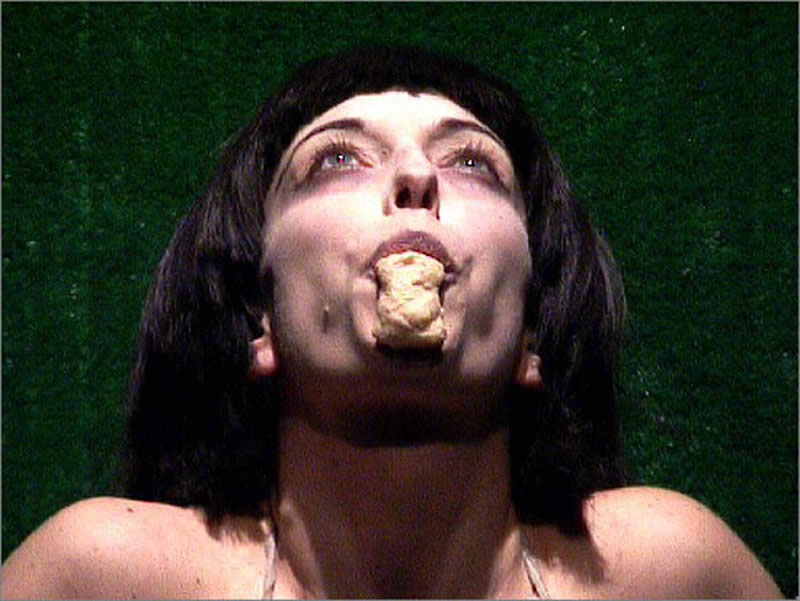
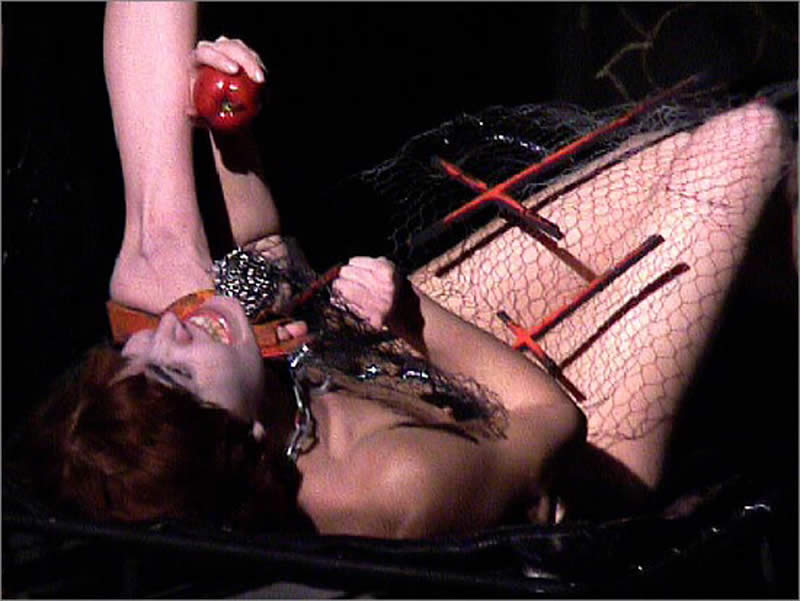
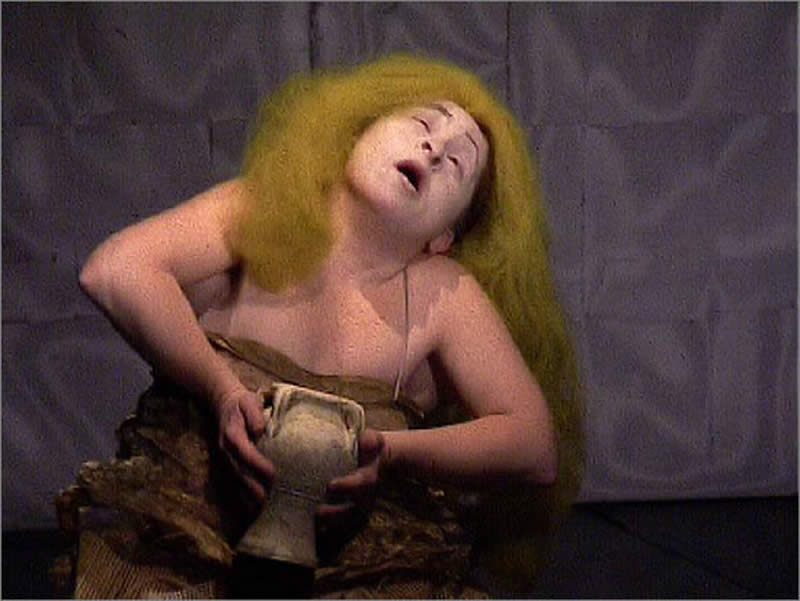
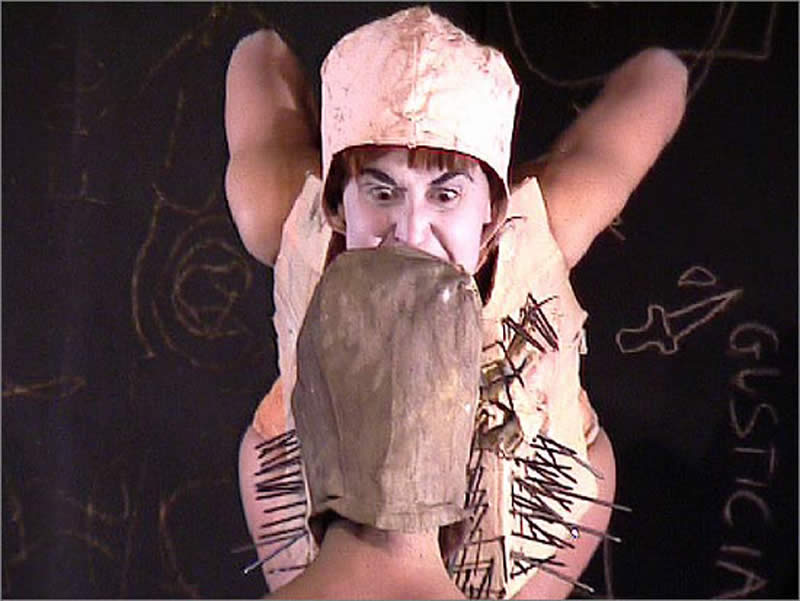
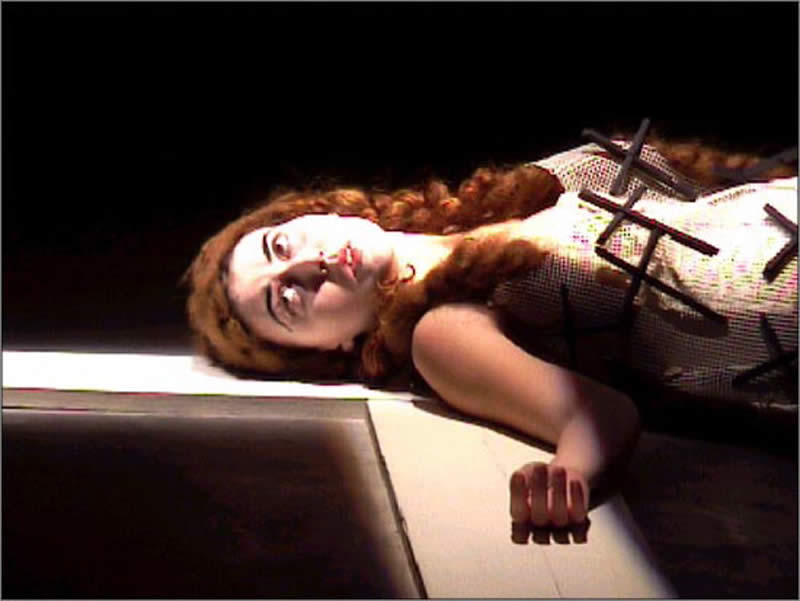
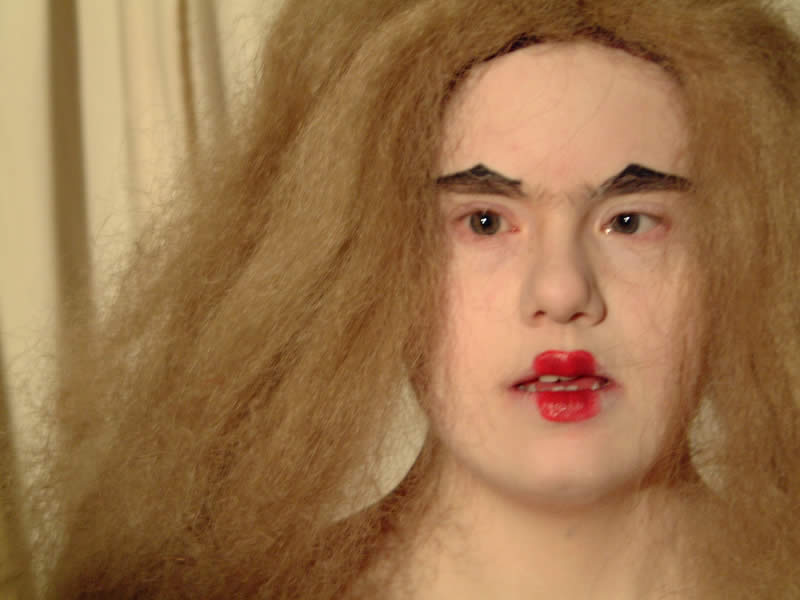
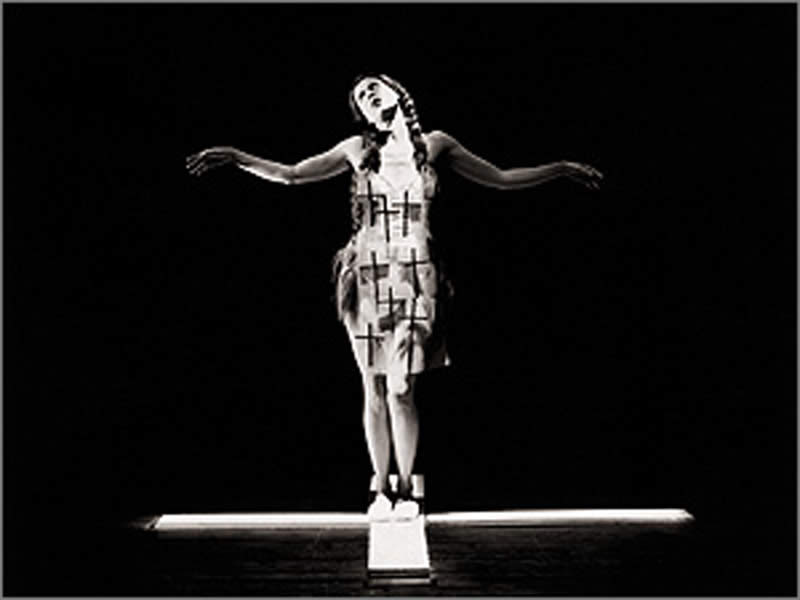
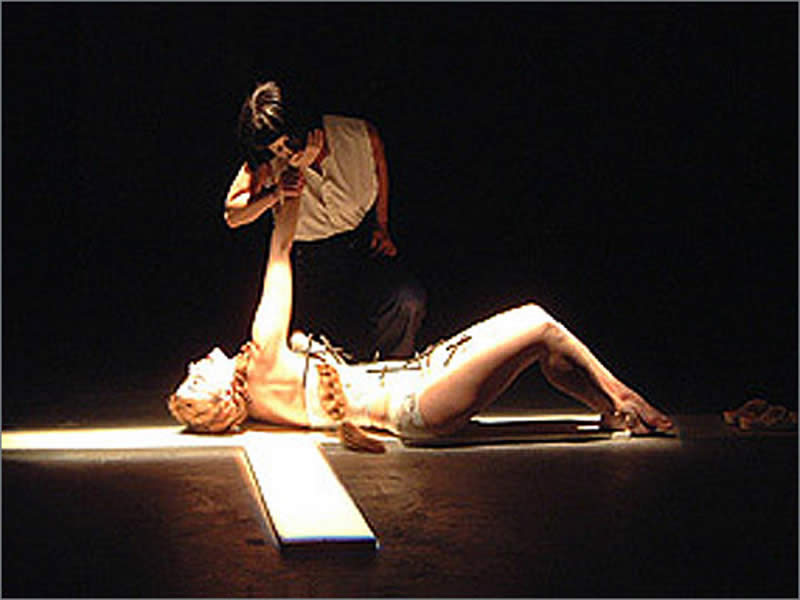
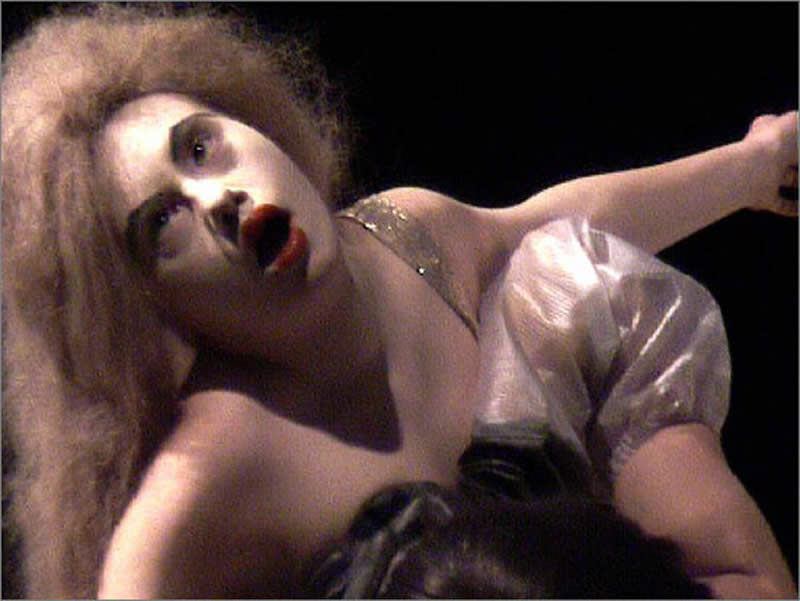
Melodic traces furrow the reason stratified by memory in the sound writing of Adriano Engelbrecht. Ur: a single performer for multiple musical instruments. Hearing deception, artifice of technique the whole sound: a single hand draws the enchantment of string quartets, mandolin trios, guitars, dulcimer. Follow the tracks, like footsteps of sounds, and verticalize the path upwards in blooms and spiers seduced by the ur-sensible melodic proceeding. All in one ear the sound hatches, sensitive heaps of greedy hearts and singing voices, all in the belly.
Director's notes by Maria Federica Maestri
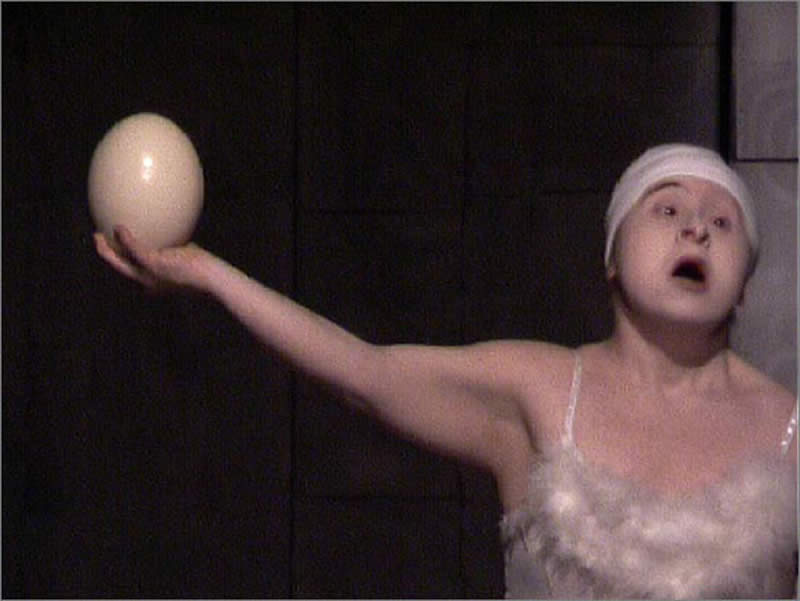
Mountains of love sins will move, of saving prayers, of inexpiable crimes. Vita maledicta in the passion of the body, in the derision of shame, in the profanation of the soul. Thus death and the girl. The genius is in the fairy tale, everything is in the Juniper of the magnificent Brothers of the sagas, there is the source of deception, the ancient artificial one, the popular fake. The song of the baby bird red as blood and white as snow, praises wounded virtue. It is that melody sung by the sharp Margherita to scissor the last hour of life. Prayer of romantic revenge. Alone blissfully happy and crying, the metamorphosis of the older ones, Philemon in Baucid, who will eternally love each other with embraces of rhizomes and caresses of root systems. What will remain of the quarrelsome Faustian heart?? Lilith's great big chest, malignant hair, spirit in eternal hunt for lonely males. The beautiful and pure white and without honor Elena, born of an egg and hated by gods and humans and the spireless and silverless Margherita, acute sixth, cathedral of itself, both of bookish illusion lost in the uncertain young male and old female Faust, fearful imitator of love and hero of the deadly sins.
URFAUST
dal Faust di Wolfgang Goethe
translation | playwriting || Francesco Pititto
orography | regia || Maria Federica Masters | Francesco Pititto
sound writings || Adrian Engelbrecht
monti | costumes | rouge || Maria Federica Masters
interpreters || Sara Monferdini | Elisa Orlandini | Alessandro Sciarroni | Sandra Soncini | Barbara Voghera
production || Lenz Refractions
first || Farnese Theater, Parma, 2000
duration || 90 minutes