





THIS WEAK FORCE
HÖLDERLIN PROJECT / PROMETHEUS
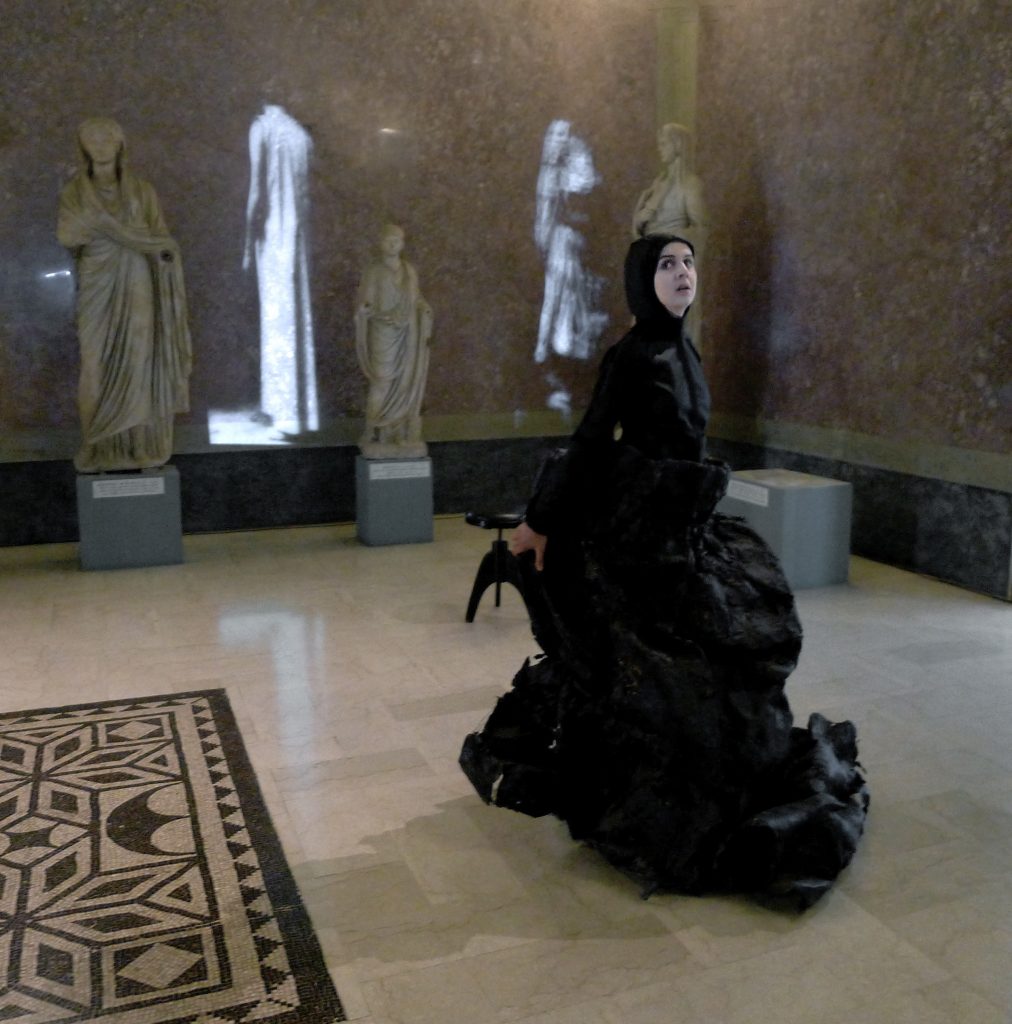
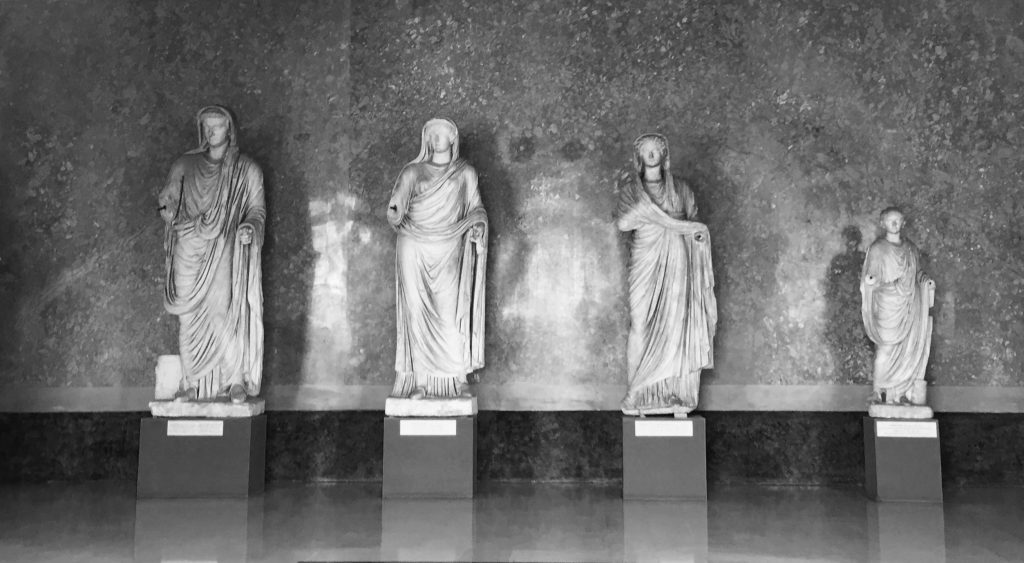
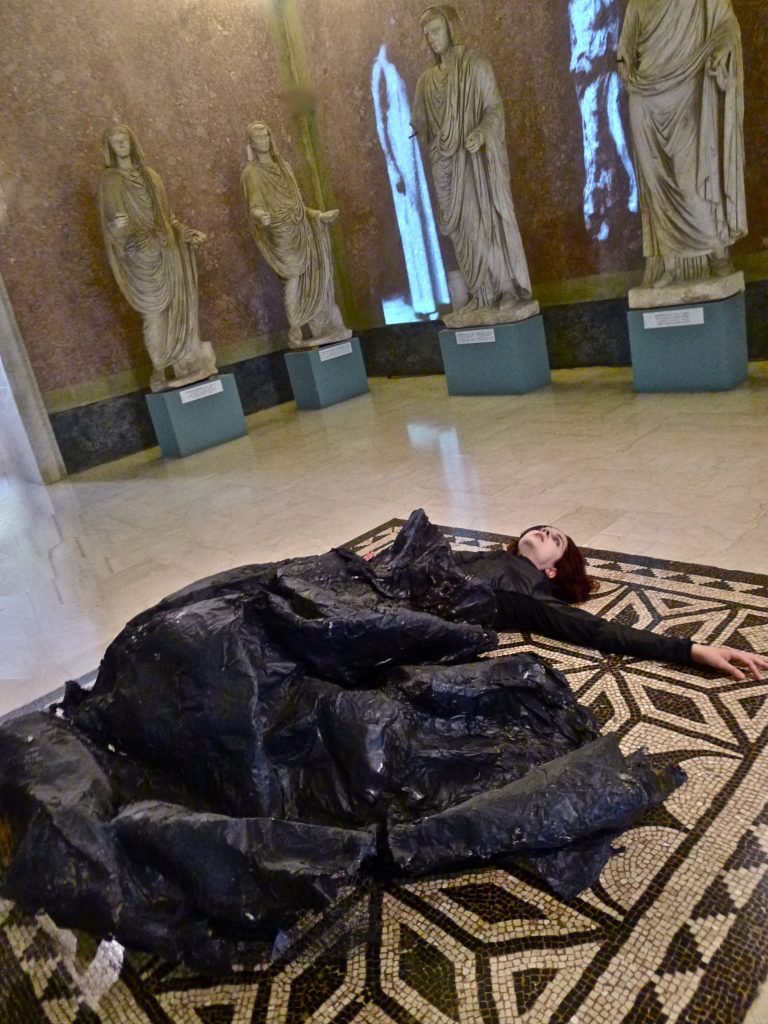
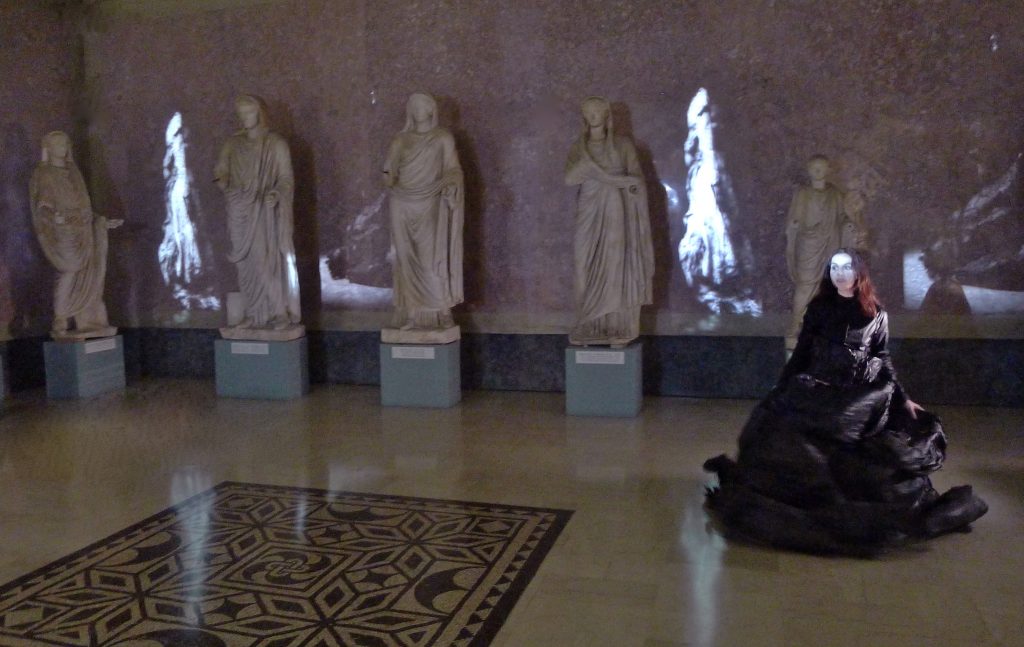
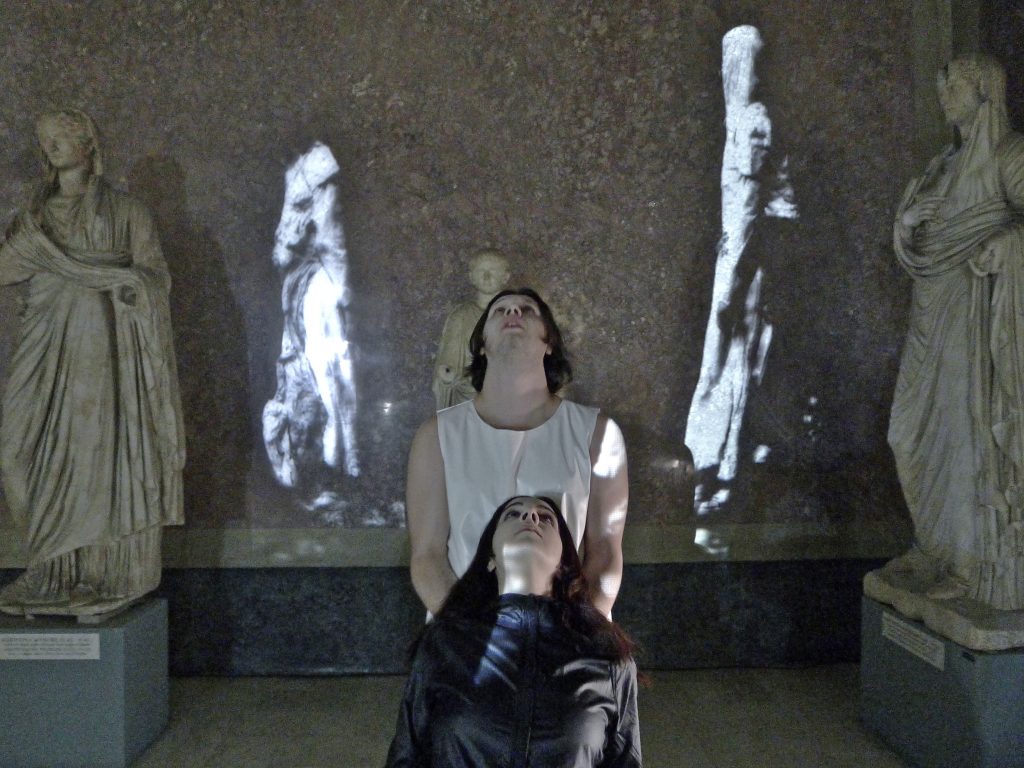
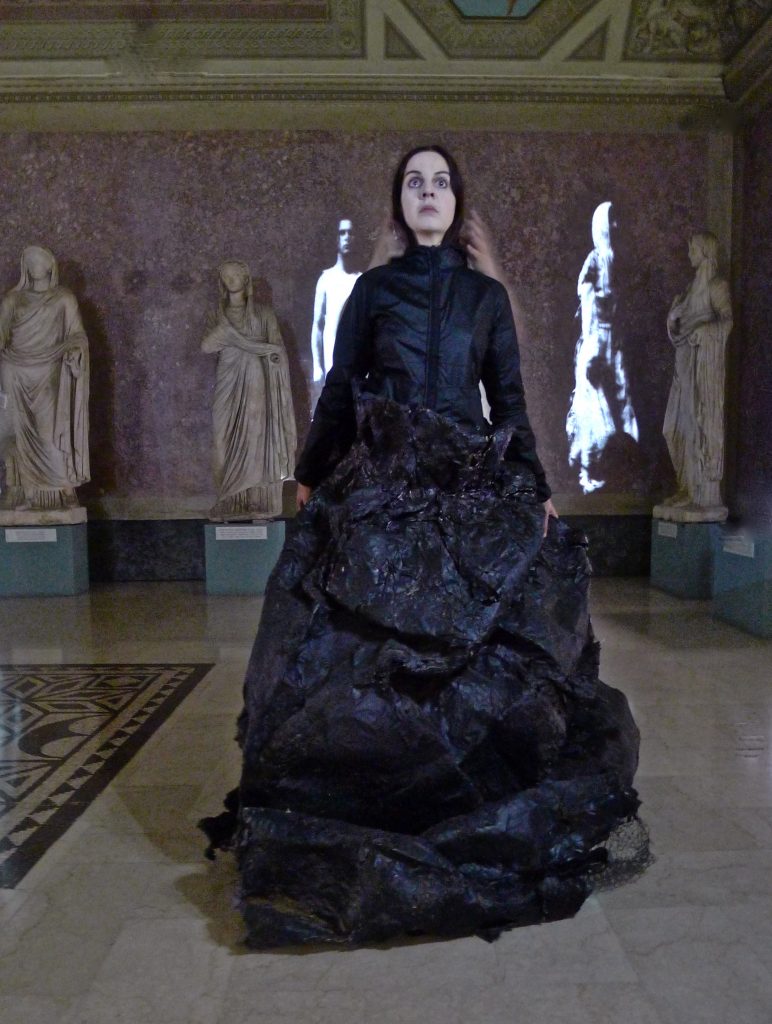
Site-specific visual and performative installation in the Hall of Statues of the National Archaeological Museum of Parma
It's not a work. Nor a melodrama, nor a cantata, nor an oratory, nor a concert. It is a tragedy composed of sounds, with the complicity of a space, without any scenic or visual facilitation.
Louis Nono
-
- This weak force

First considerations. Views
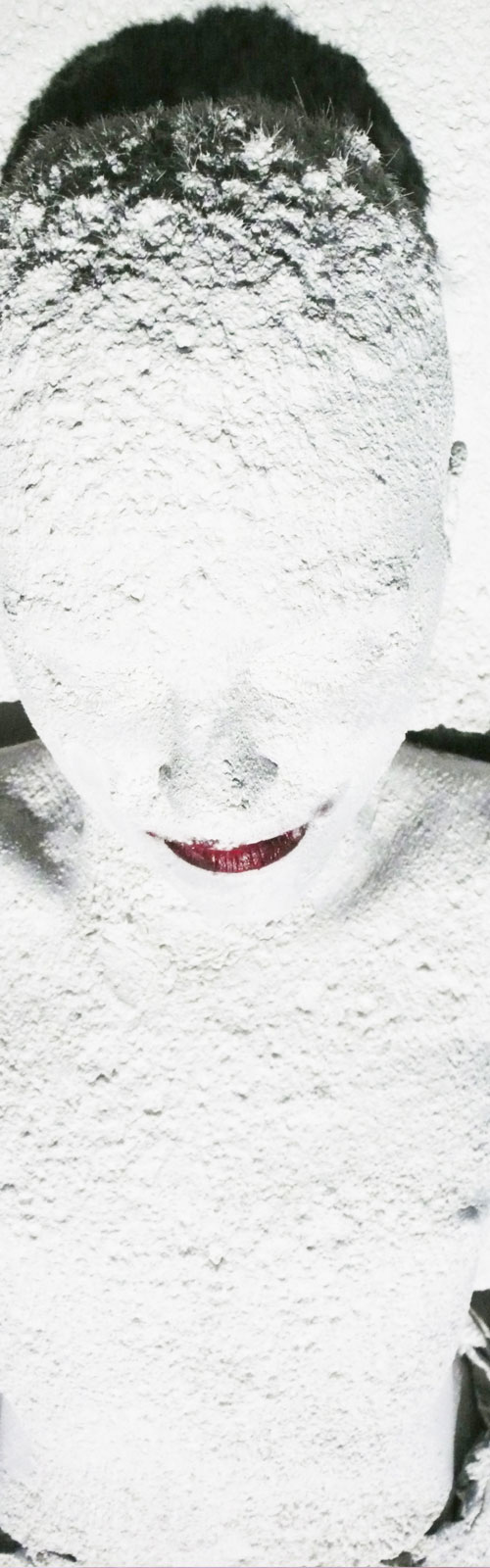
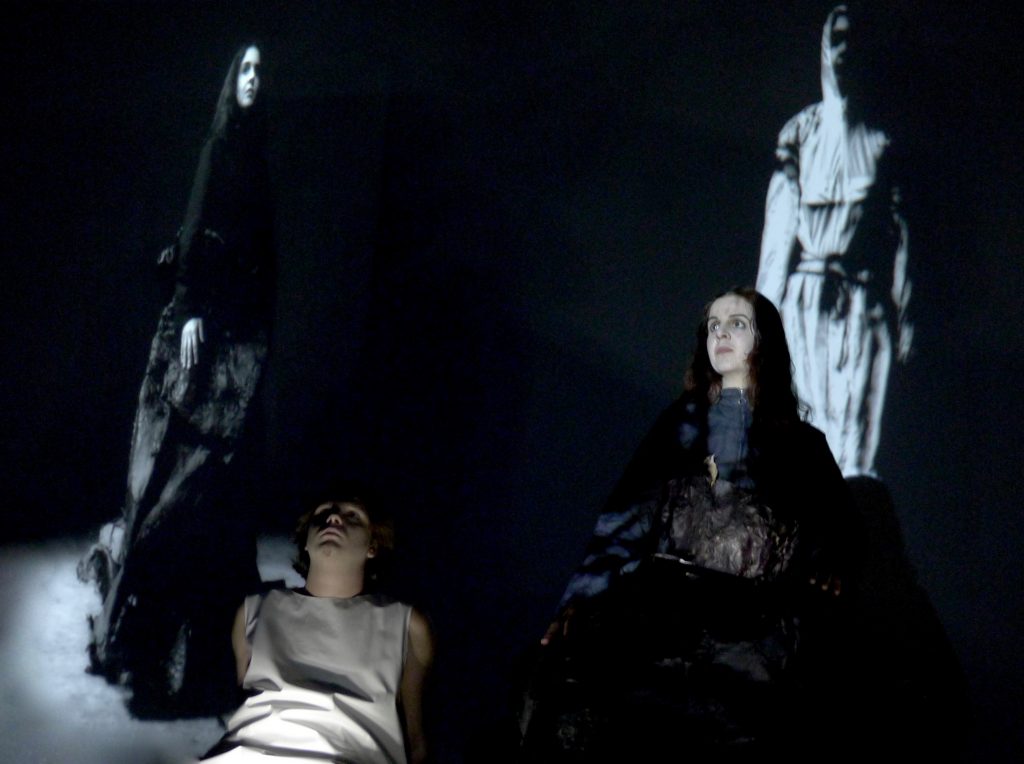
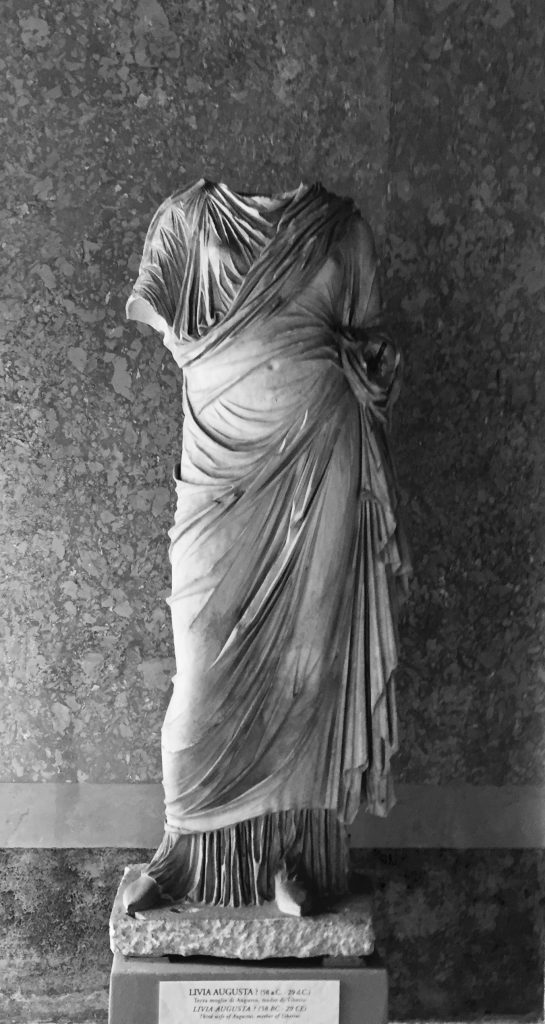
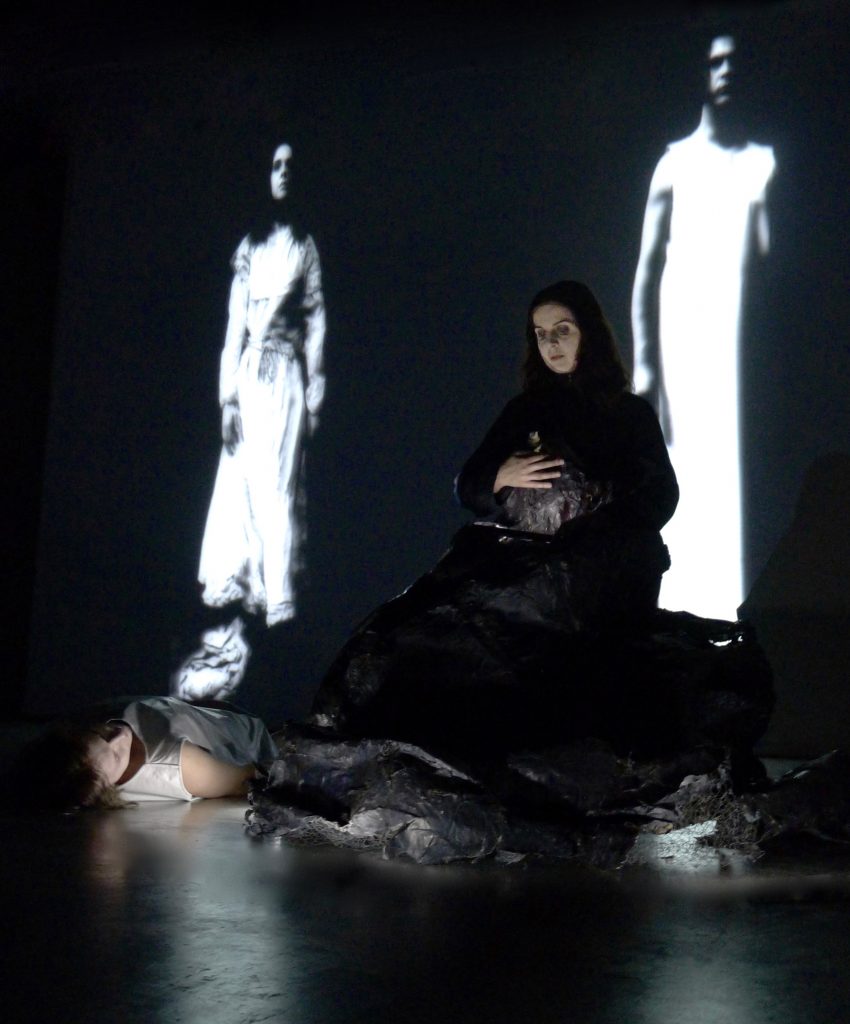
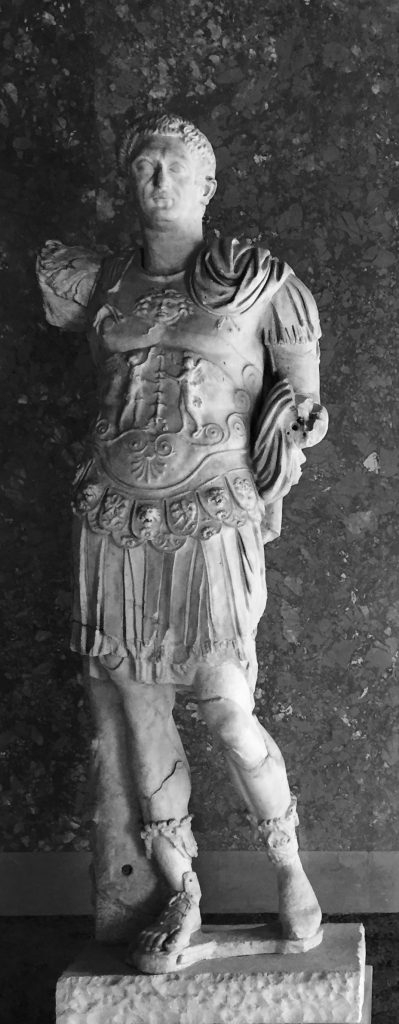
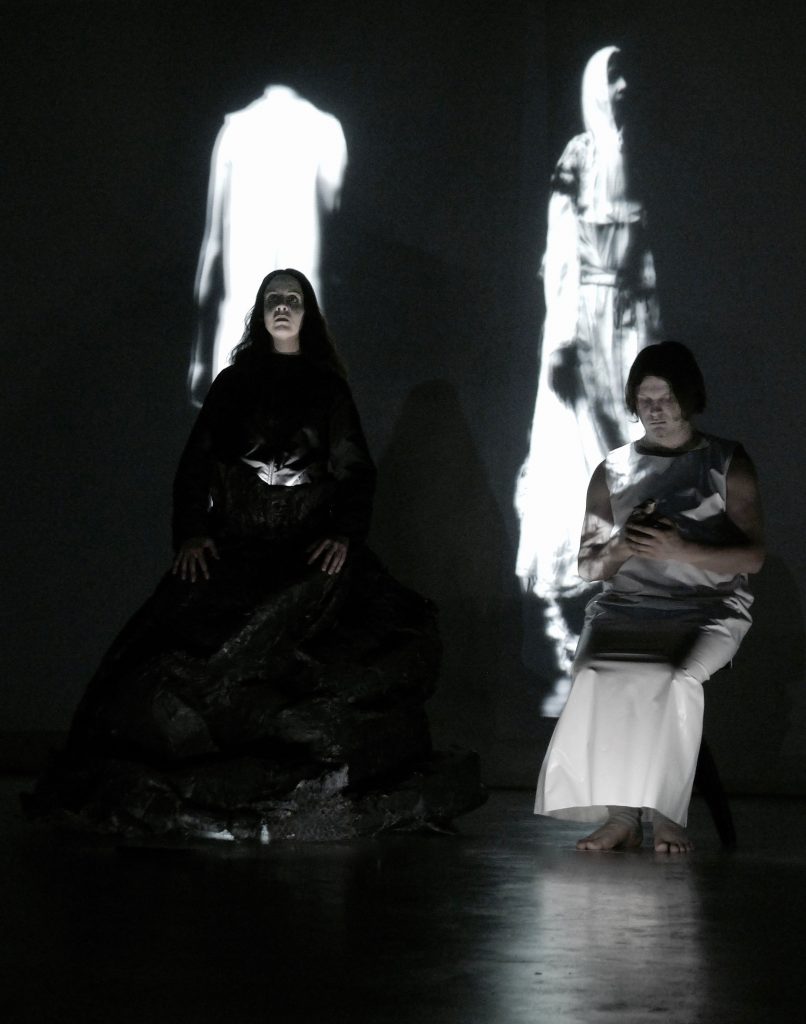
Navigation map, islands with islands, interior of a huge Stradivarius, tragedy of sounds and space. It doesn't work, not concert: Investigation and experimentation work will be carried out on these references, like a new map to recreate, islands to search for among archaeological figures and contemporary signs, the former without color, the latter with color. Or vice versa.
Like the score, Luigi Nono's notes, sound paintings between mathematical thought and philosophical suspension, acoustic refractions, memories of voices and memory spaces. In particular, the research will investigate the routes of Isola Seconda, the fragment of the Song of Hyperion and the Destiny by Friedrich Hölderlin. Hyperion: Song of fate.”You walk in the Light/on soft ground, happy Geniuses!/Of luminous air the breaths of the Gods/touch you lightly/like Artist's fingers/sacred Strings.”
The long work, just finished, on Hyperion provides us with multiple creative and poetic ideas to be able to deeply investigate the indicated fragment. Naturally in search of the compositional process of the creators of the work Nono, Cacciari and Piano through a video installation in proxemic relationship with some works present in the Archaeological Museum of Parma.
A spatial liaison between the Archaeological Museum, located in the Palazzo della Pilotta and the late nineteenth-century industrial building that houses Lenz Teatro could represent a further field of investigation, an interesting refraction between the historical monumental and modern architecture, between historiographical function and contemporary cultural function. Like the two places of the first and second performances of the opera: the church of San Lorenzo in Venice and the Ansaldo in Milan.
National Archaeological Museum of Parma
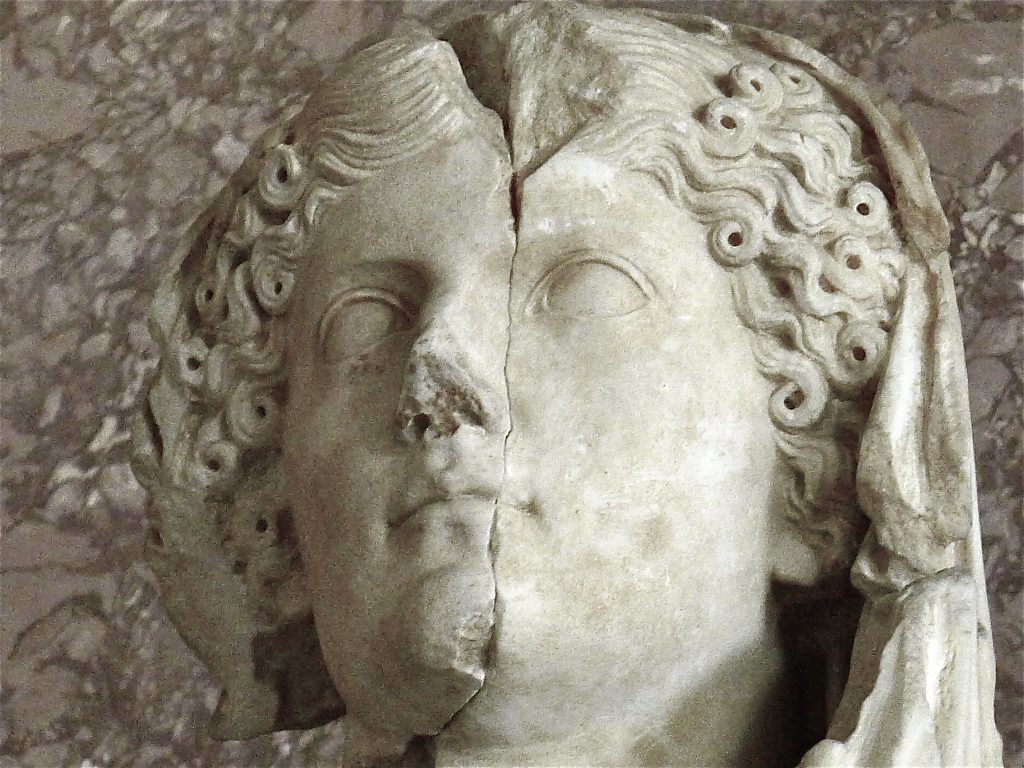
In the second half of the nineteenth century, the Museum became one of the richest prehistoric collections in northern Italy, then increased by the Etruscan and Roman findings of the excavations carried out in the surroundings of Parma. The materials coming from the excavations of the Roman municipium of Veleia are of great visual impact, among which the 12 large marble statues of characters from the Julio-Claudian imperial family (first half of the 1st century. d.C.).
THIS WEAK FORCE
Dramaturgy and imagoturgy | Francesco Pititto
Installation and direction | Maria Federica Masters
Musica | Claudius Rocchetti
Performer | Eugenio Maria Degiacomi (basso) and Clare Garzo
In collaboration with the Teatro Regio di Parma and monumental complex of the pilotta
Production | Lenz Foundation