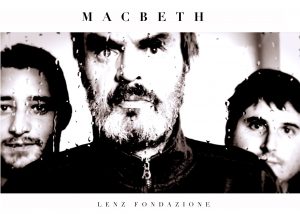






MACBETH
The new Shakespearean chapter dedicated to Macbeth captures and takes as a creative stimulus a historical moment of particular relevance in Italy for the social management of madness.
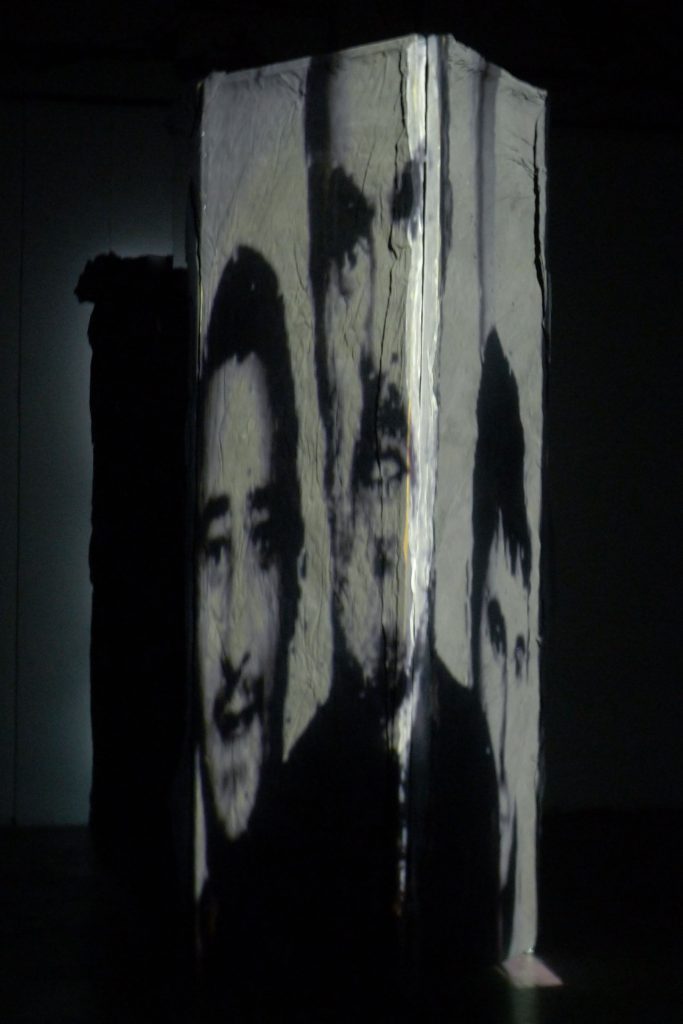
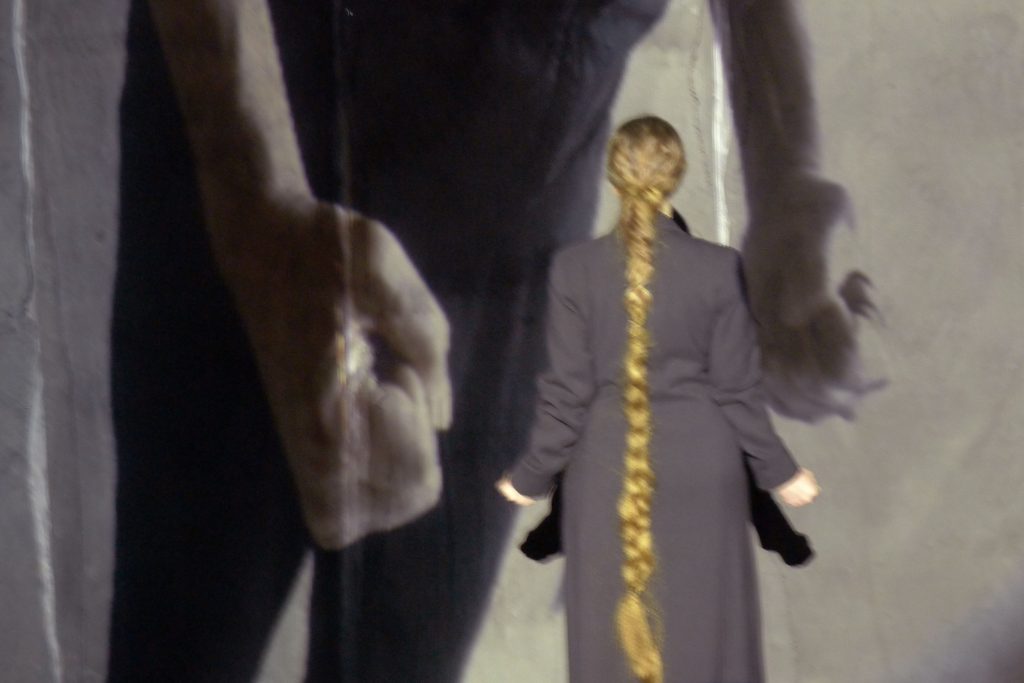
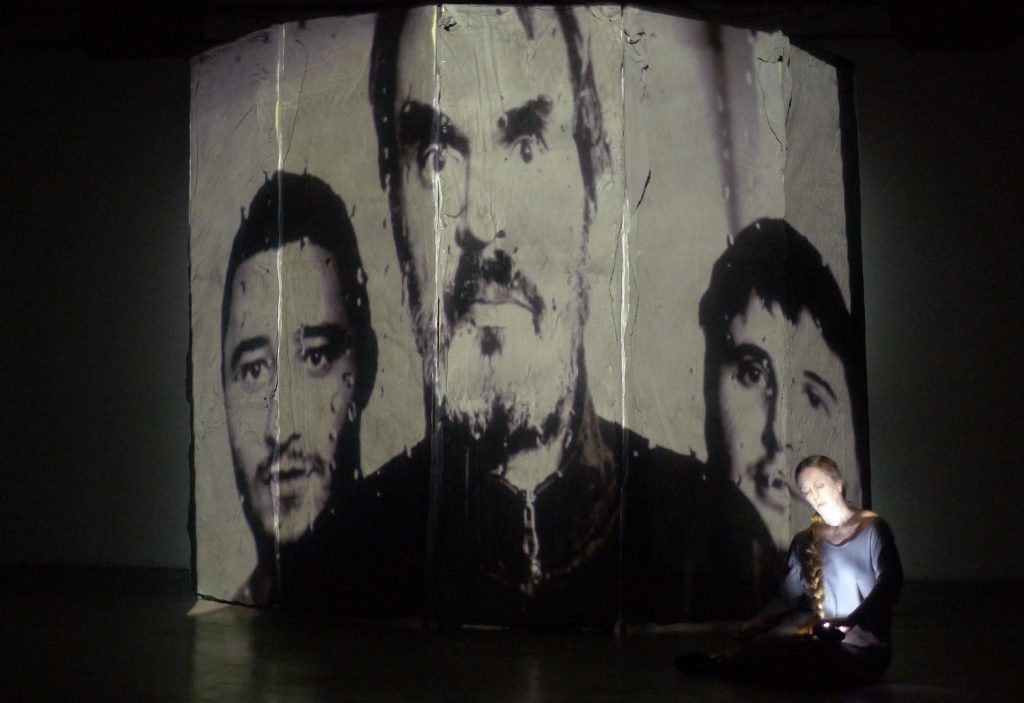
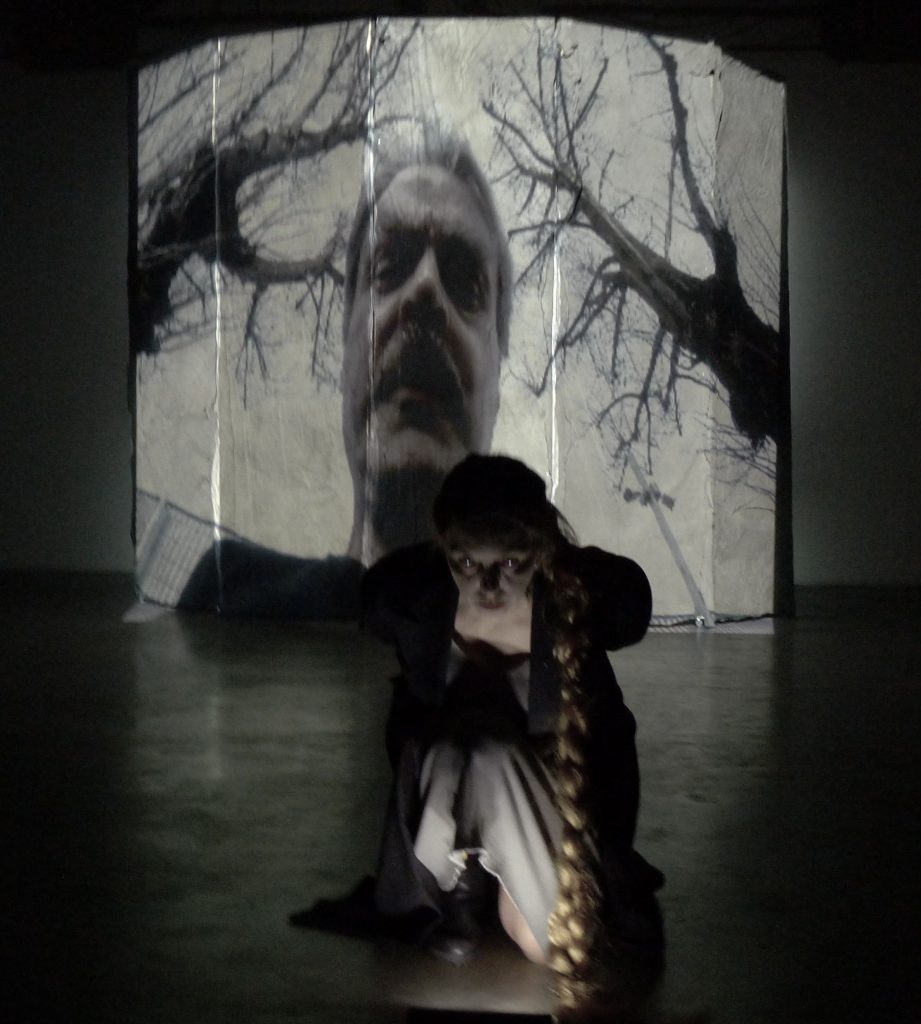
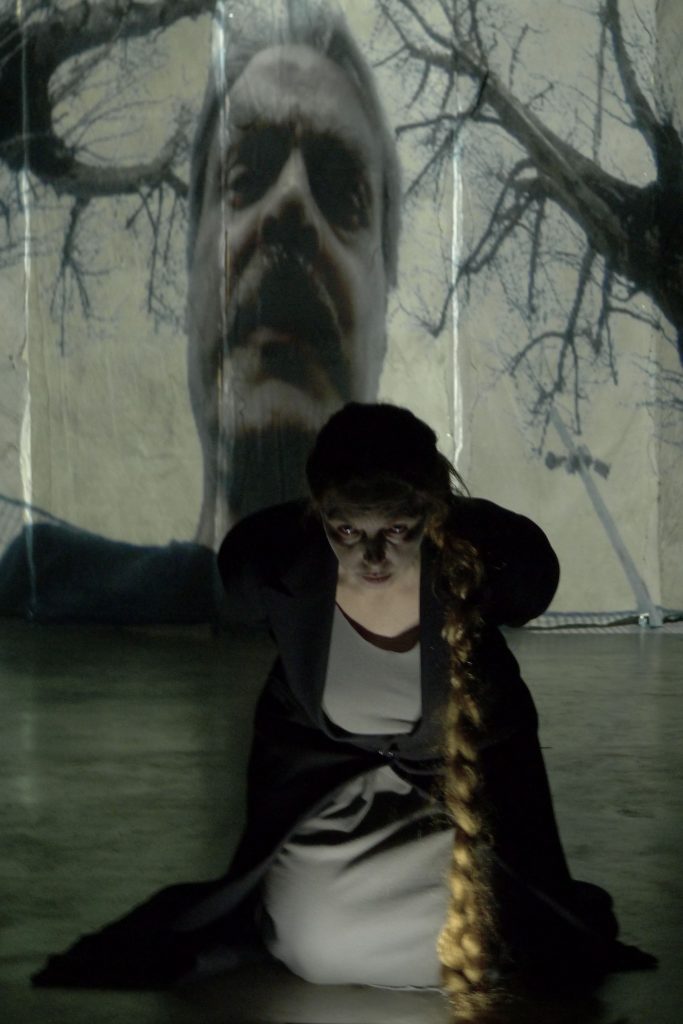
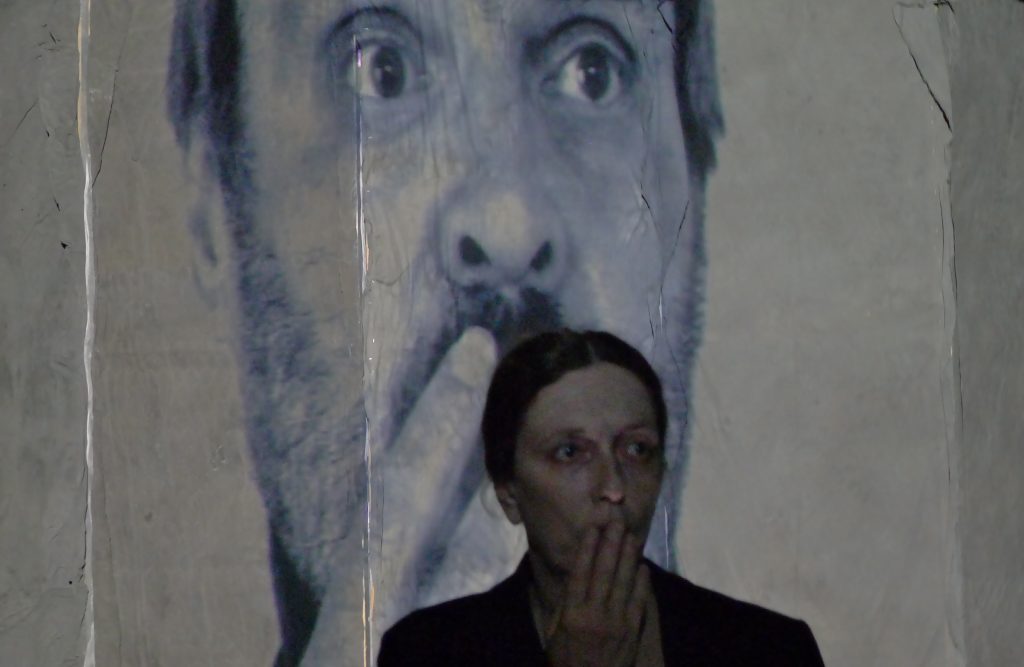
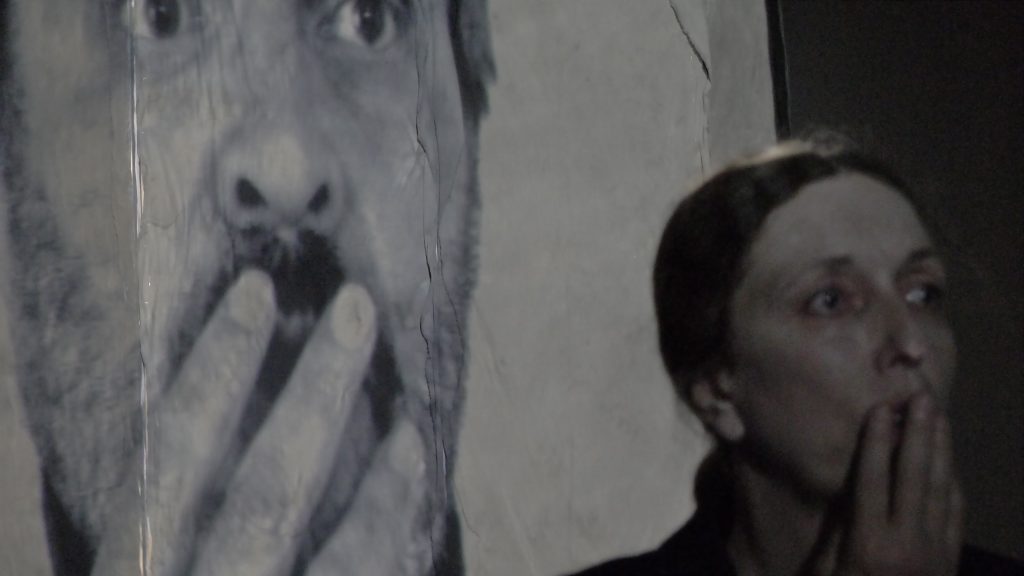
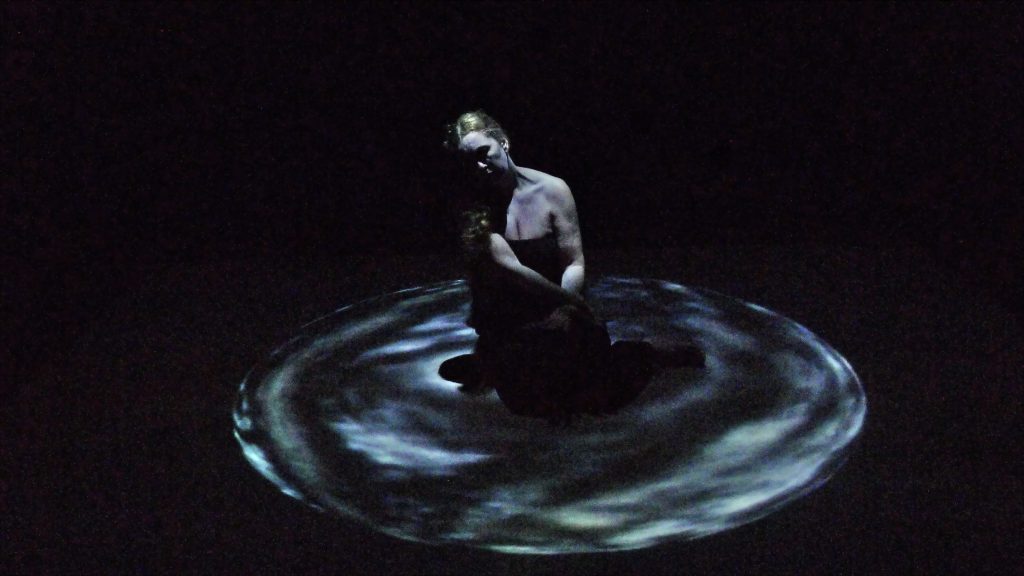
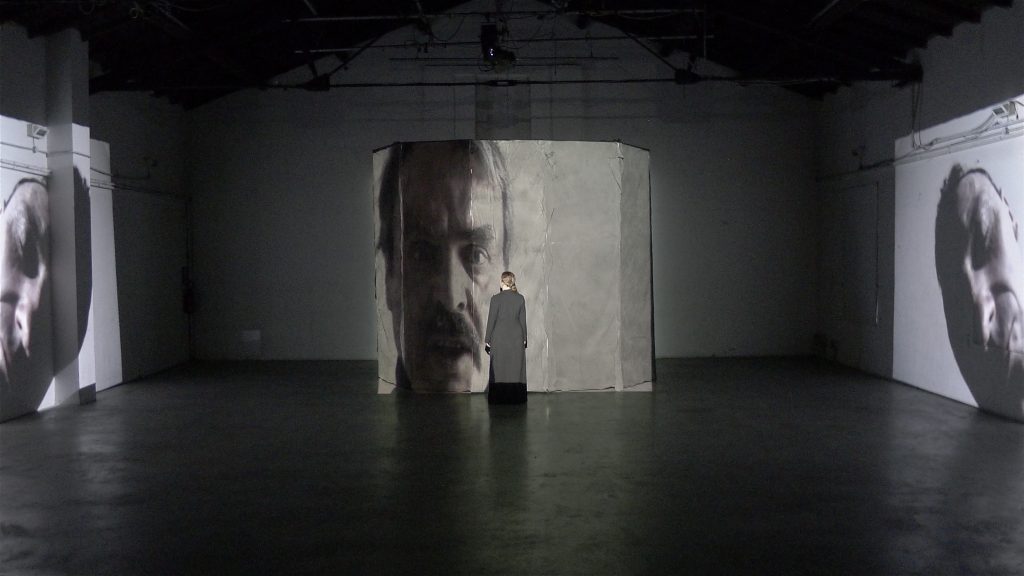
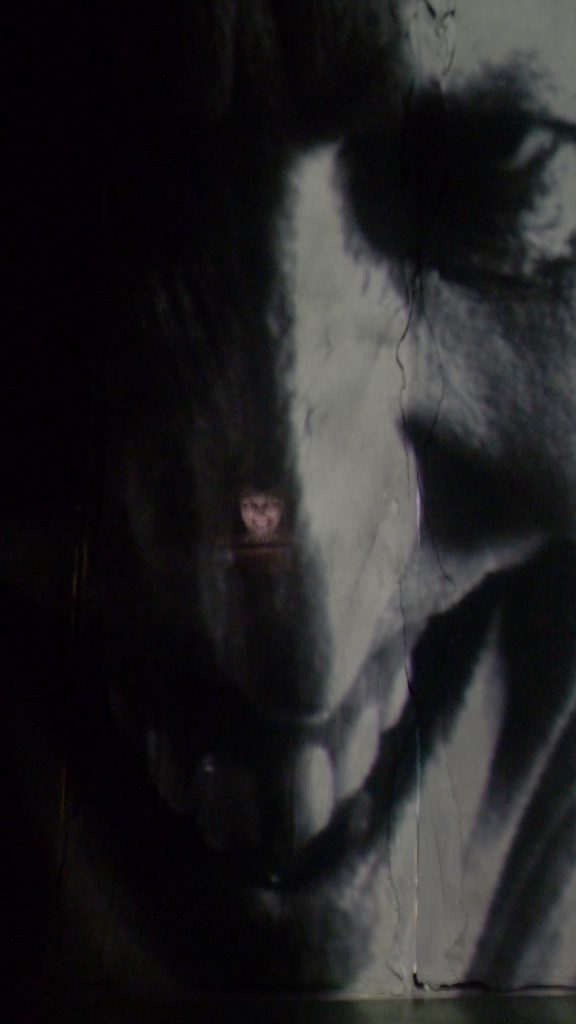
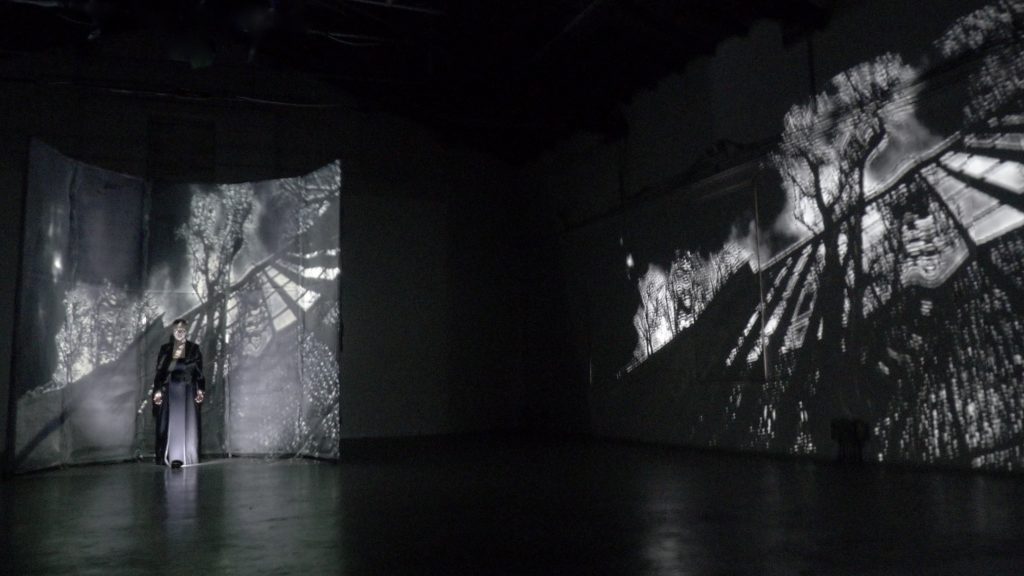
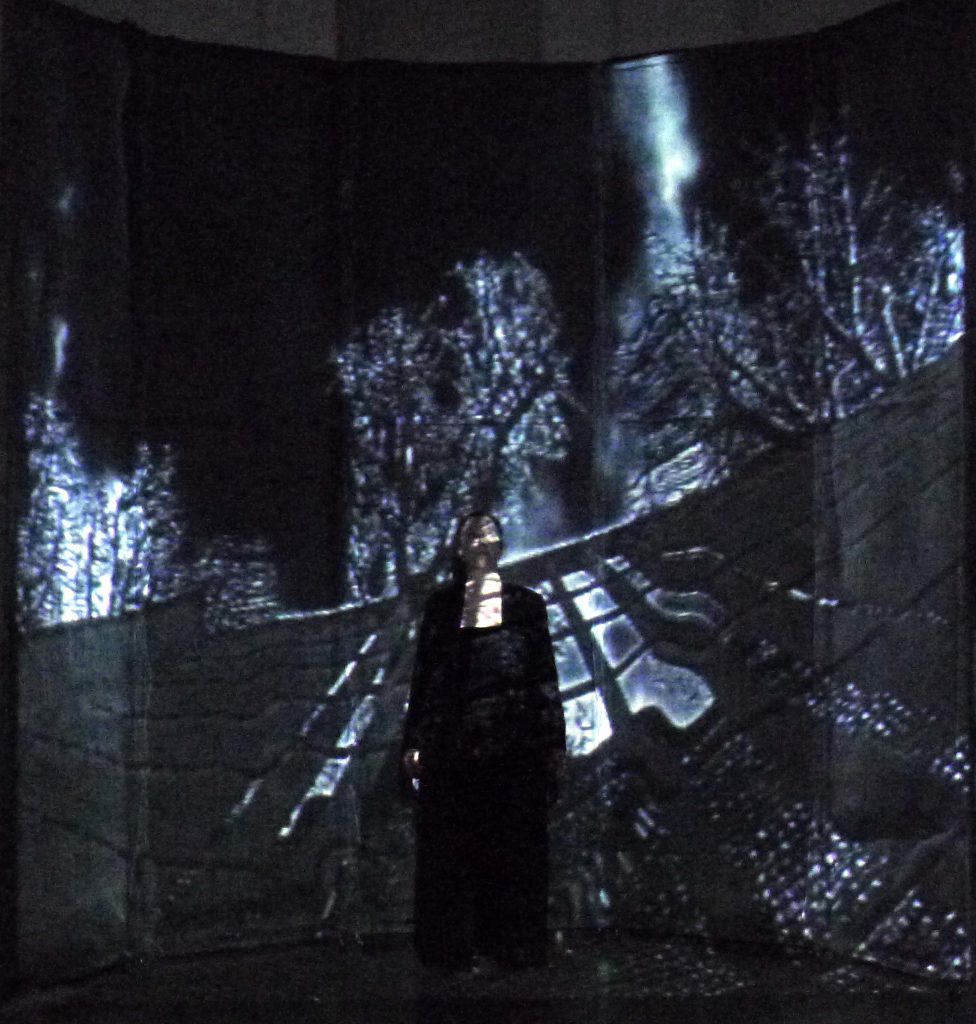
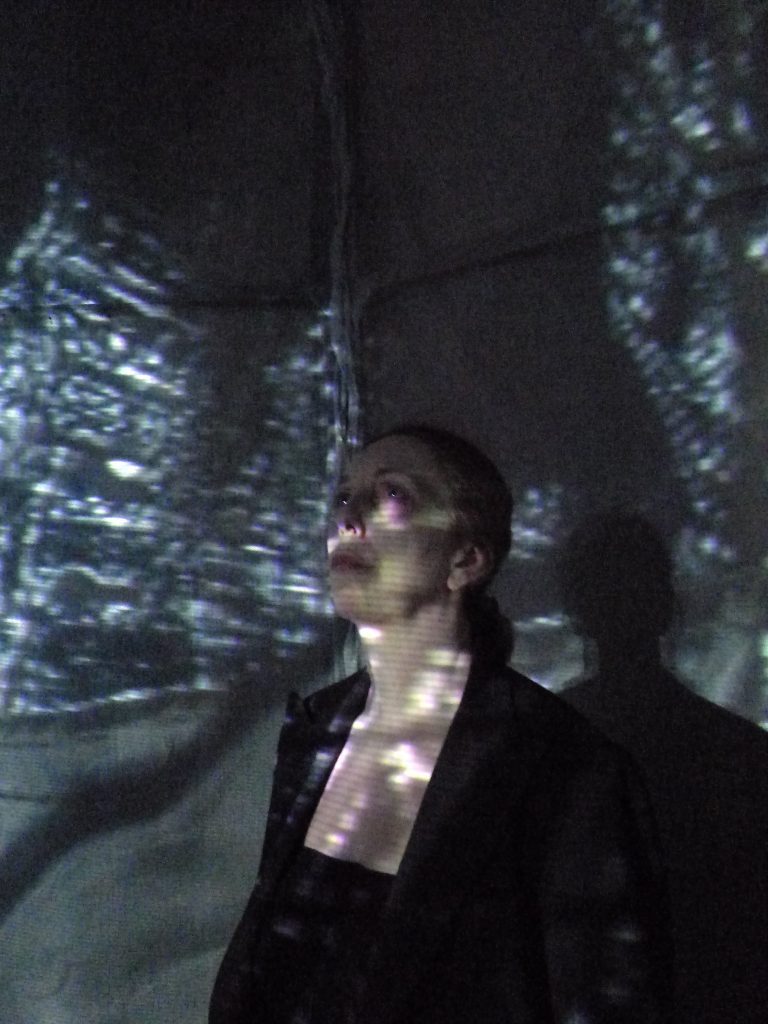
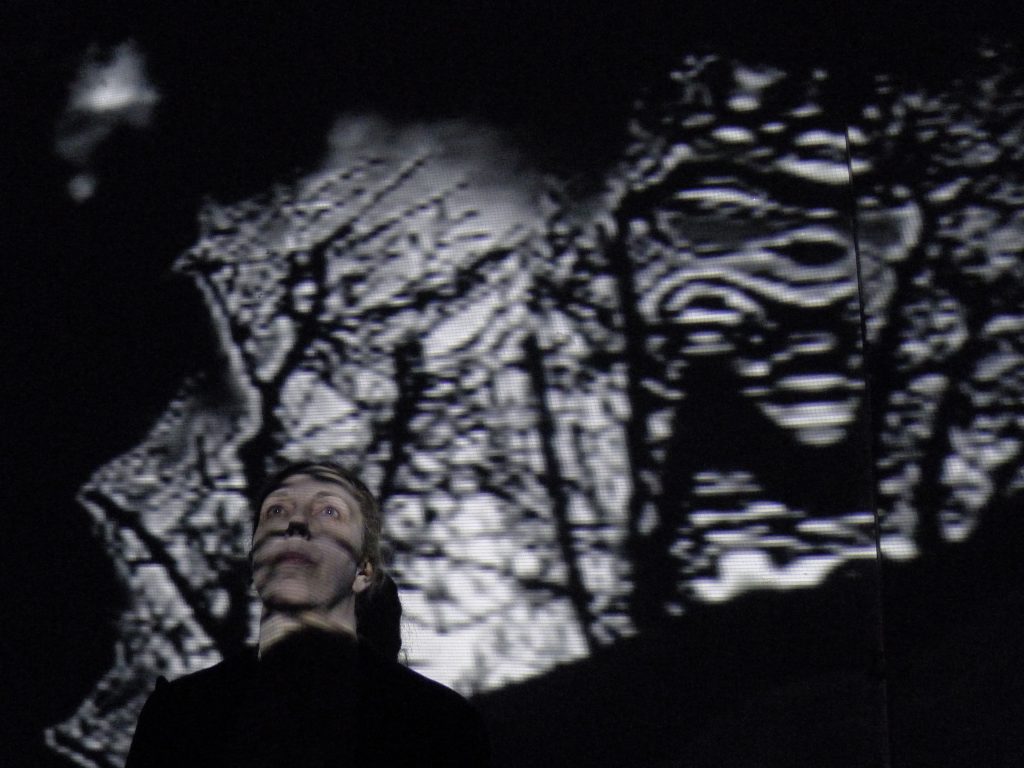
Dramaturgical outcome of the workshop conducted with the guests of REMS – former Judicial Psychiatric Hospitals – Lenz's Macbeth takes on their faces and voices as a visual and emotional transference of the tragic figure of Macbeth, and the question of Lady Macbeth's madness and visions becomes living matter, violent act remembered and reworked, hallucination refocused.
We are looking for interpretative lines, linguistic and musical of this new work by Lenz through the indispensable impulses of chi, locked up in prison for decades, reminds us without fiction that life is really a walking shadow and the actor is a poor idiot who struggles to tell us nothing.



I did it myself
Even the most explicit fiction has the intention of replacing reality just as the most problematic and crude truth has as its ultimate goal the unlikely disappearance of that border. Theater is not life unless life is theater. There is only one actor for whom this equation could be true: the actor who does not know that boundary, the actor who does not play a role but himself, the actor who inhabits the scene like life”. So we wrote, several years ago, on the sensitive actor and on returning that virtual part to the theatre – of life – essential to recreate common sense, collective utility.
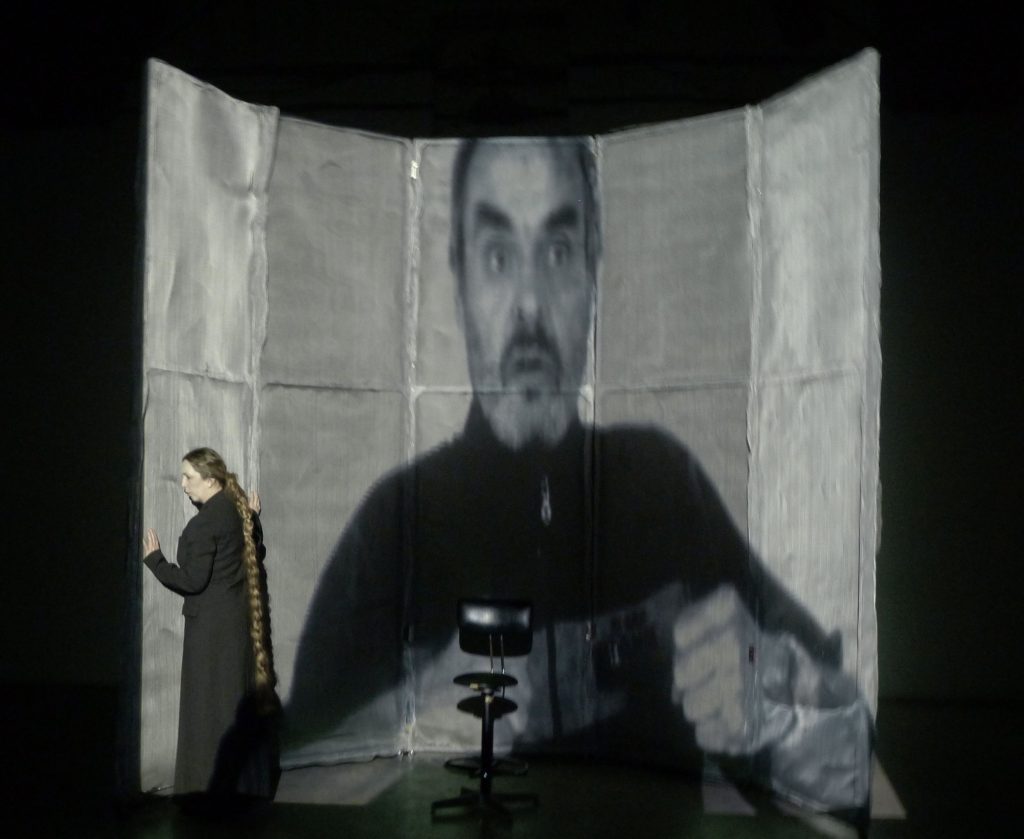
Having placed Shakespeare's Macbeth as an investigative text brings, Then, the issues directly to the centre, upon taking a decisive action, of a decisive fact for the biography of the actor and the protagonists of the drama: “I did it, the fact. I heard the owl hoot and the crickets cry. I think I heard it: Sleep no more! Macbeth killed Sleep, the innocent Sleep.” The delirium, the sense of guilt, the visions, death are paragraphs of a lived and textual life that overlap within a crystal ball where destinies, witches and blood rain from above like snow, after having turned the sphere upside down and put it back together. The actor then truly becomes the crystal image of his own past and present, the lines of Macbeth and the Lady, just as those of witches seem to come out, with unknown and only minimally correct technique, like knife blades that twirl, real and not fragments of a delirious dream. Remote dialogue, real and virtual, between the actor detained in his place/castle and the actress performing in her theater scene becomes an exchange of voices and whispers of two contemporary Pyramus and Thisbe; the two lovers and accomplices are distant and in between is the wall of civil life and real society.
MACBETH
da William Shakespeare
Text and imagery | Francesco Pititto
Installation, plastic elements and direction | Maria Federica Masters
Musica | Andrew Azzali
Scientific consultancy | Rocco Caccavari
Interpreter | Sandra Soncini
In video | REMS guests from Mezzani | Germano Baschieri (Macbeth), Mattia Sivieri, Ivan Fraschini, Daniel Welcome
Luci | Alice Scartapacchio
Production | Lenz Foundation
In collaboration with | AUSL_DAISM-DP_REMS Integrated Mental Health Department for Pathological Addictions AUSL of Parma and REMS – Residences for the Execution of Health Safety Measures
– Macbeth, the guests of the Rems stage Shakespeare's tragedy
Laura Pasotti, Social Editor_7 March 2016
(…) “From beyond 15 For years we have been carrying out artistic actions with long-term mental patients, in situations degraded due to the habit of thought and reflection - explains Maria Federica Maestri - Last year the Local Health Authority proposed that we work with former guests of judicial psychiatric hospitals. From this request, we tried to trigger a dramaturgical motivation". Thus the work on Macbeth was born: “Shakespeare's anniversary, which we had already thought of celebrating with a re-edition of the tragedy, set up in 2000, it is the valve of the necessary that triggers the artistic process – continues Maestri – . And then there is the embarrassing coincidence of the theme, of compromised mental balance, of the conflictual emotional condition that creates trauma in reality". (…)
http://www.agenzia.redattoresociale.it/Notiziario/Articolo/502616/Macbeth-gli-ospiti-della-Rems-mettono-in-scena-la-tragedia-di-Shakespeare
– Interview with Maria Federica Maestri on Lenz Foundation's Macbeth
Saul Stucchi, AlbiOnline_15 March 2016
(…) There is a great willingness on the part of the guests to tackle a complex text, in a translation (that of Pititto) who makes no concessions, it does not trivialize and certainly does not facilitate entry through narrative shortcuts. (…)
http://www.alibionline.it/intervista-maestri-macbeth-lenz-fondazione/
– Lenz's Macbeth in Parma: a new look at our madness
Alessandro Trentadue, Repubblica.it_23 March 2016
(…) A new reversal of perspective. A look of social relativity that involves everyone. All of us “crazy” modern and modest. After starting the new Ludovico Treatment for the Lenz Foundation, it is time for a new chapter of research together with sensitive actors. (…)
http://tutti-in-scena-parma.blogautore.repubblica.it/2016/03/23/macbeth-di-lenz-a-parma-un-nuovo-sguardo-sulla-nostra-follia/
– The Macbeth of the turning point
MariaCristina Maggi, Gazzetta di Parma_29 March 2016
(…) With this project a new theatrical and anthropological map is defined in which madness and normality no longer exist, but there is a cloud, an opaque area that belongs to everyone, in which many sensibilities converge and which can have art and theater as its point of transformation and meeting; that theater capable of recovering the value of the subject: even those who have been isolated for too long. We enter this fissure and try to build a bridge: a thin thread that relates to an unknown world and a different sensitivity. (…)
– #Dialogues. Waiting for Lenz's Macbeth: aesthetic experience and social management of madness
Ranata Savo, SceneContemporanee_7 June 2016
(…) The choice of dramatic device is fundamental to identify the aesthetic function of the artistic act: the limitations determined by the restrictions on personal freedom placed by the judicial system (the granting of permits is the responsibility of the judges) de facto make the presence of the actor understood in the traditional sense weak; but it is precisely this condition of reality that is foreseen, narrated, imagine the scenic device that sets up our Macbeth. (…)
http://www.scenecontemporanee.it/arti-performative/dialoghi-aspettando-il-macbeth-di-lenz-esperienza-estetica-e-gestione-sociale-della-follia-2075
– Natura Dèi Teatri. The blind spot of languages
Valeria Borelli, Artribune_16 June 2016
(…) The reunification between radical aesthetic experience and living community can restore to the theater the original ethical function of tragedy. This research still seems necessary to us today for a constant rewriting of our theatrical language, understood as physics of the imagination, chemistry of social bodies, differentiated and exalted in the subjectivity of their aesthetic actions. (…)
– The weight of awareness: Lenz Fondazione's Macbeth debuts at Natura dei Teatri
Giulio Sleep, PaperStreet_28 June 2016
(…) So here is the theme par excellence (artistic and human): awareness. Awareness of what happens to us, of what we do in response, of what follows from it. We are all partially blind, that is, we can all rediscover ourselves as half masters of our ego, guests of a body that conditions us. (…)
http://www.paperstreet.it/cs/leggi/macbeth-lenz-recensione-teatro.html
– The premiere of Lenz's Macbeth with the former inmates of the Judicial Psychiatric Hospitals
Diego Monferdini, Piacenza_29 June 2016
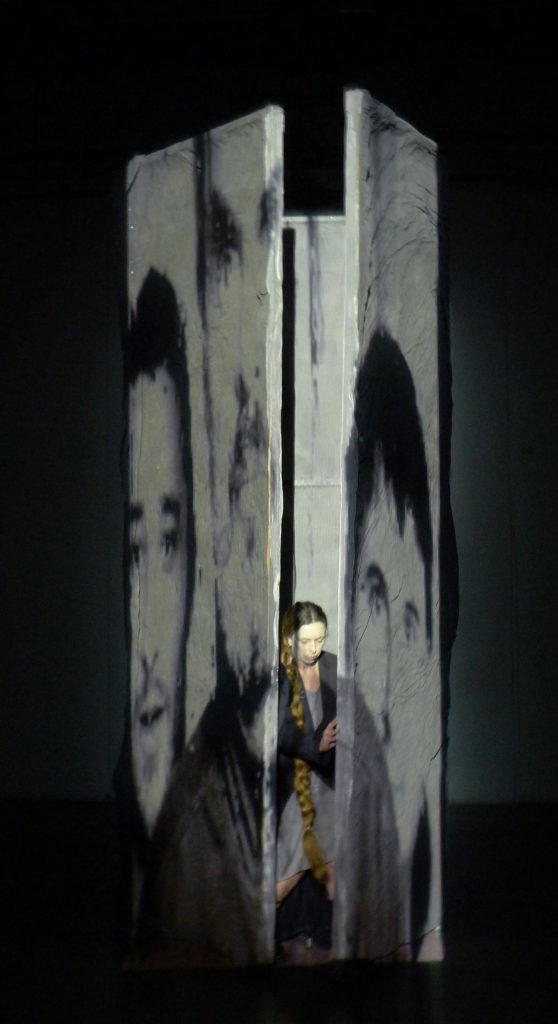
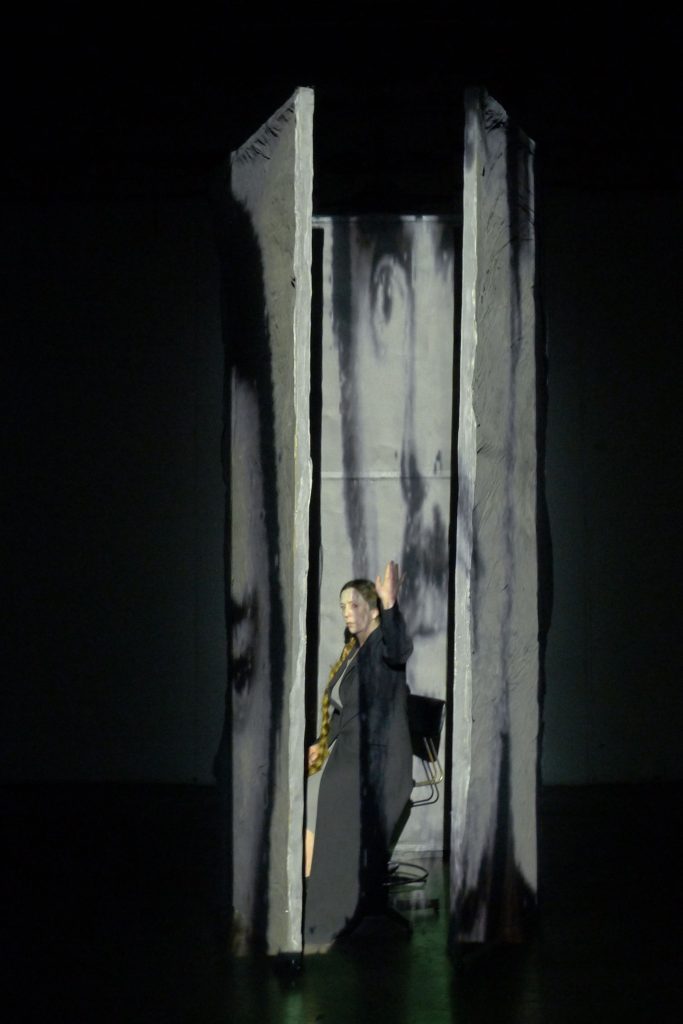
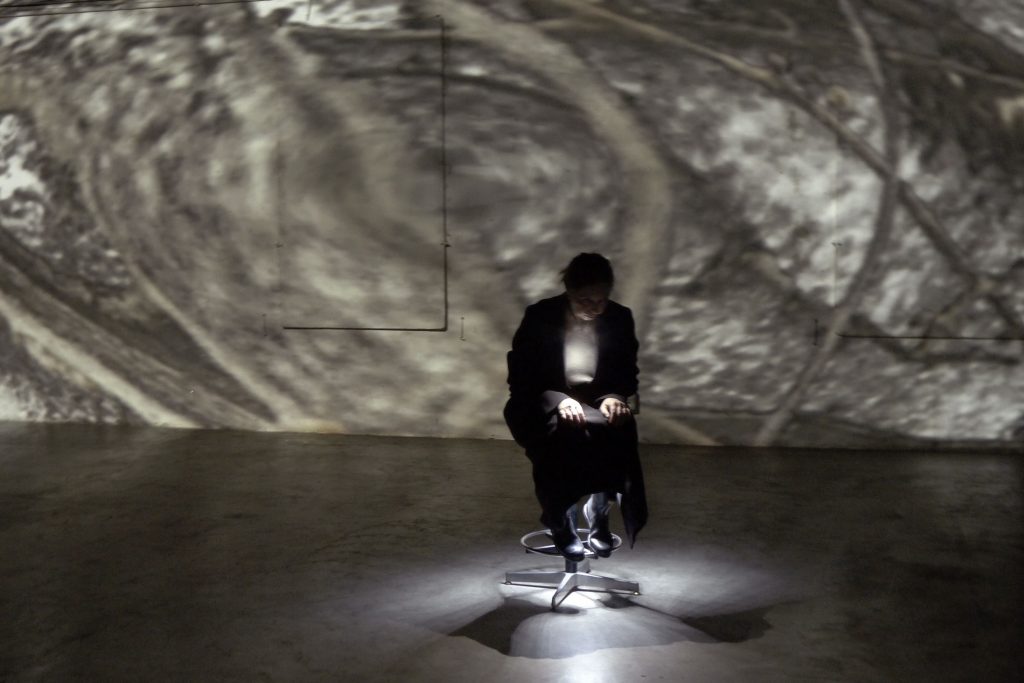
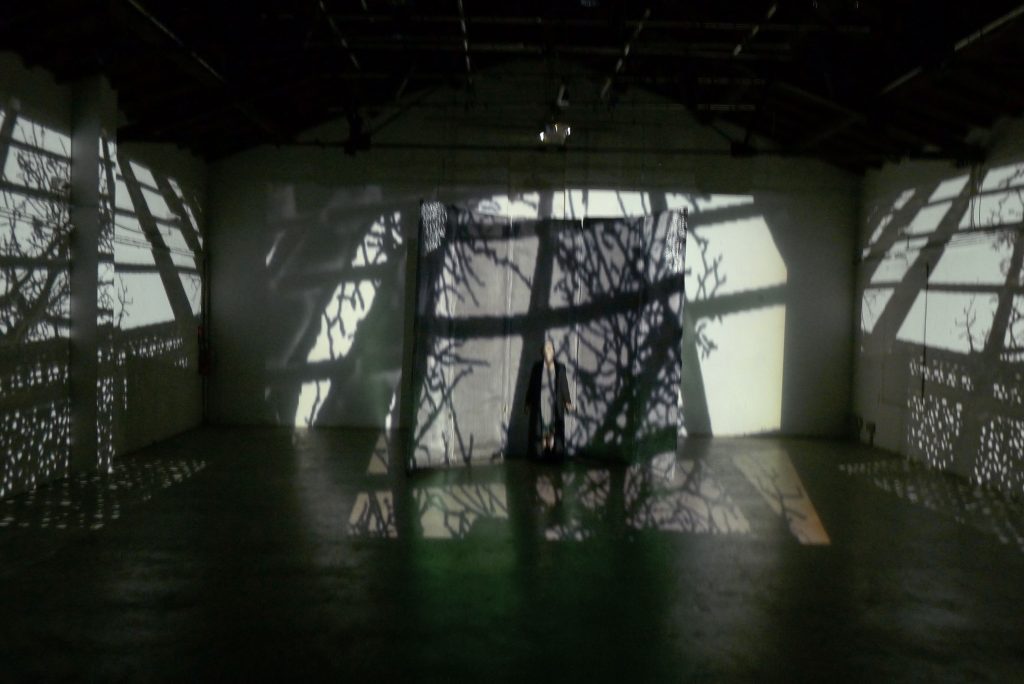
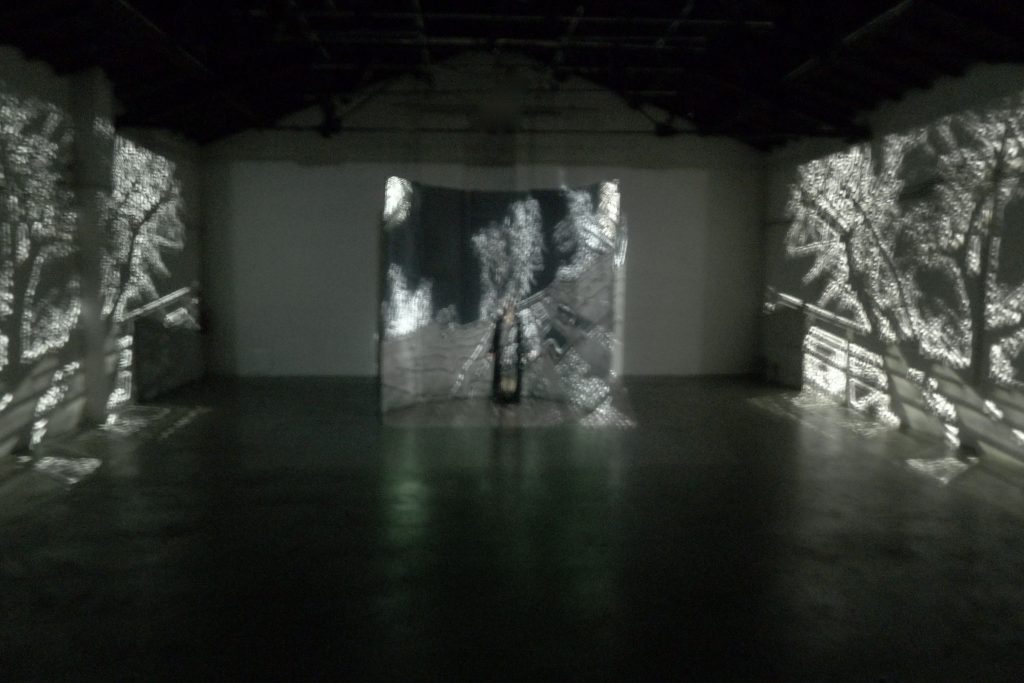
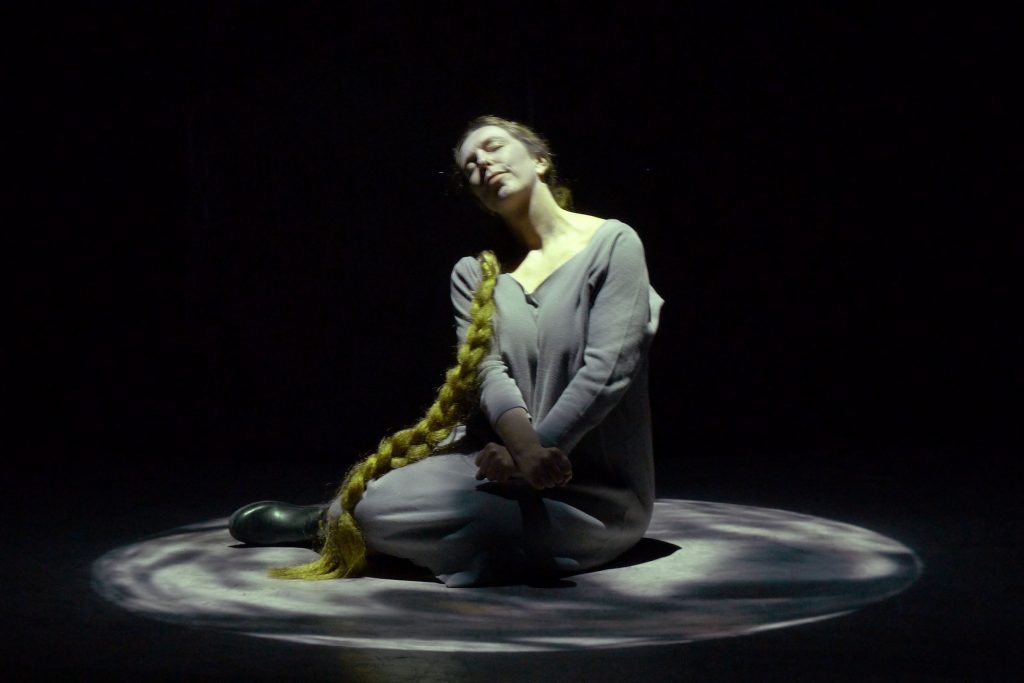
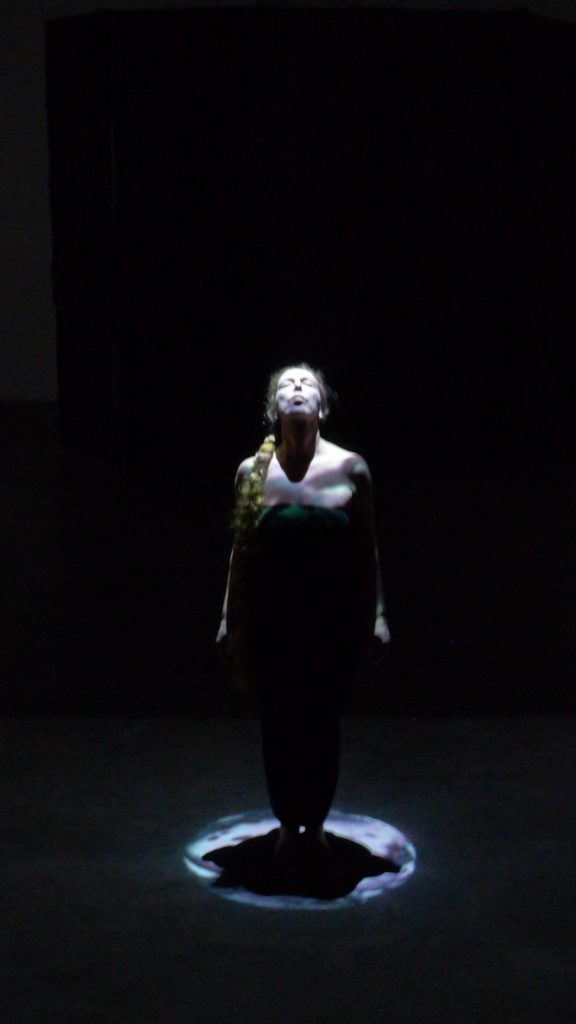
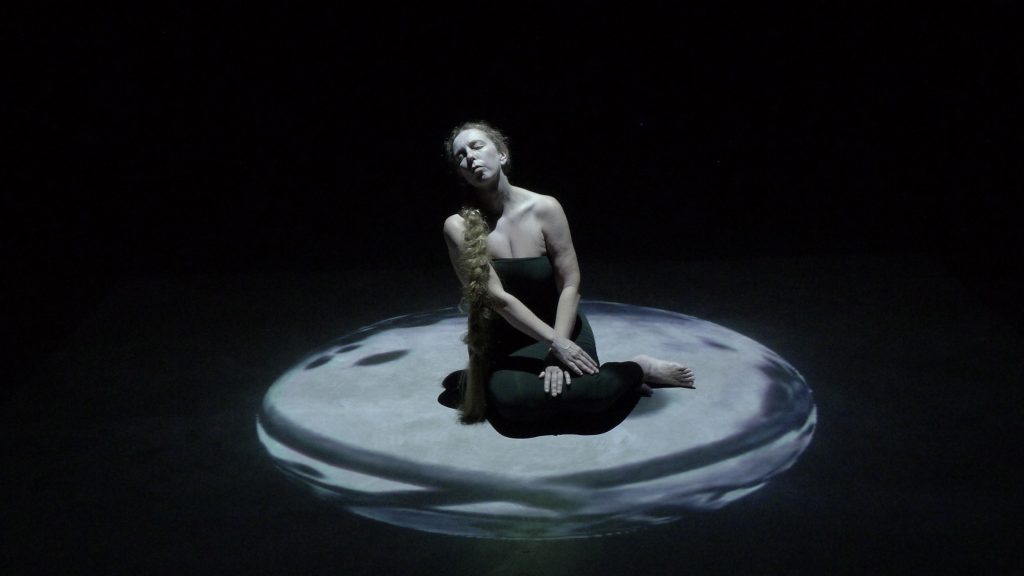
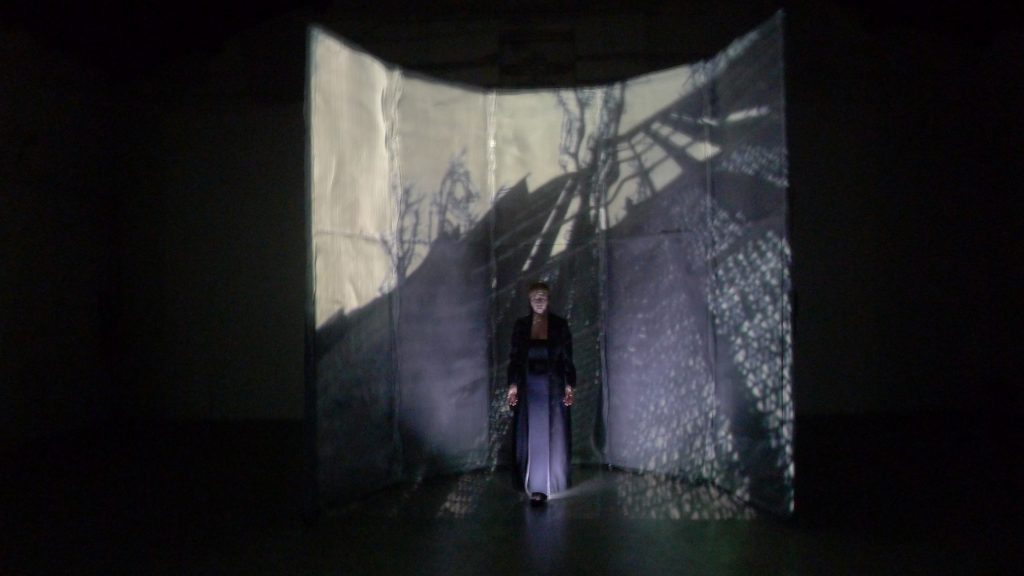
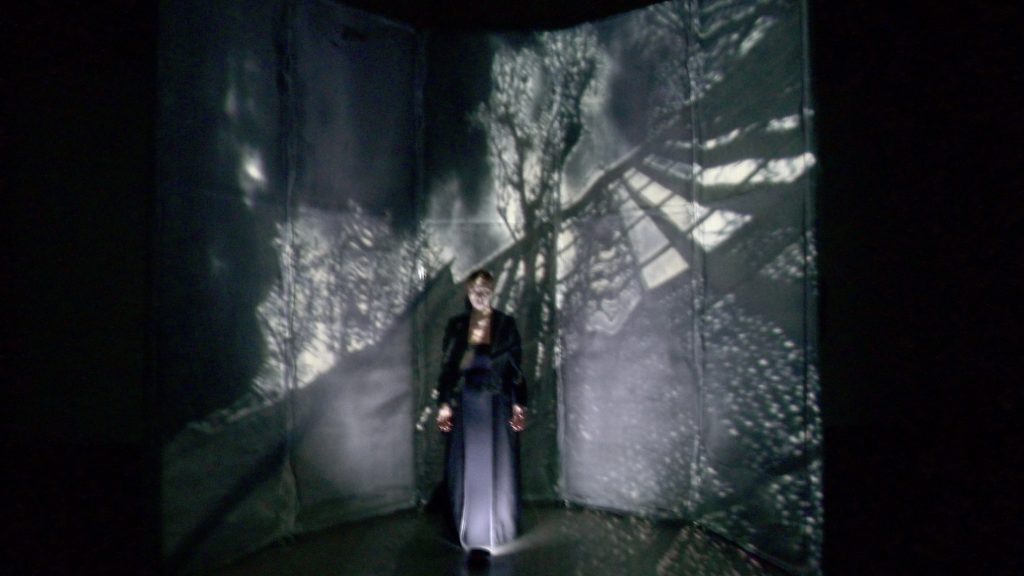
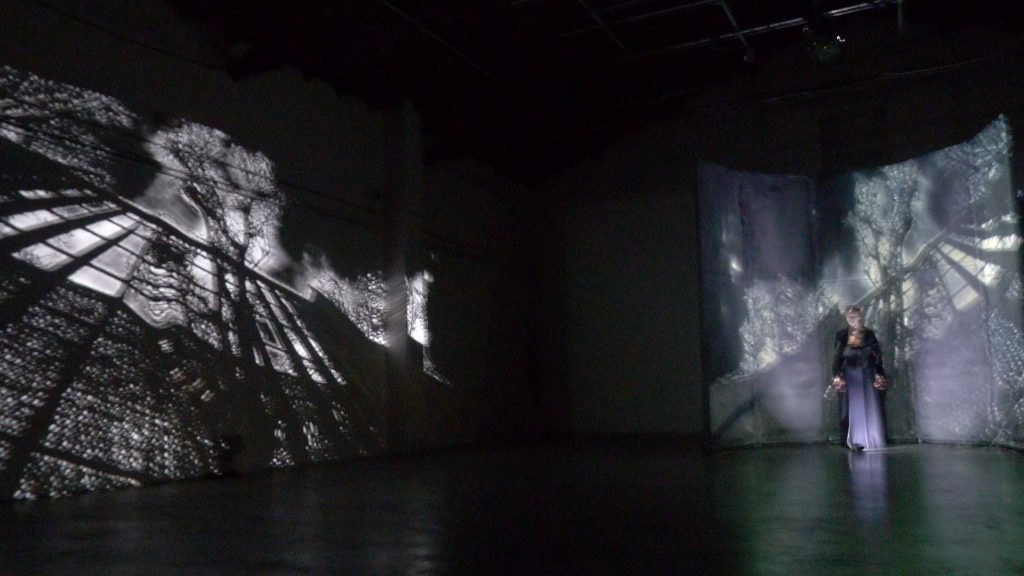
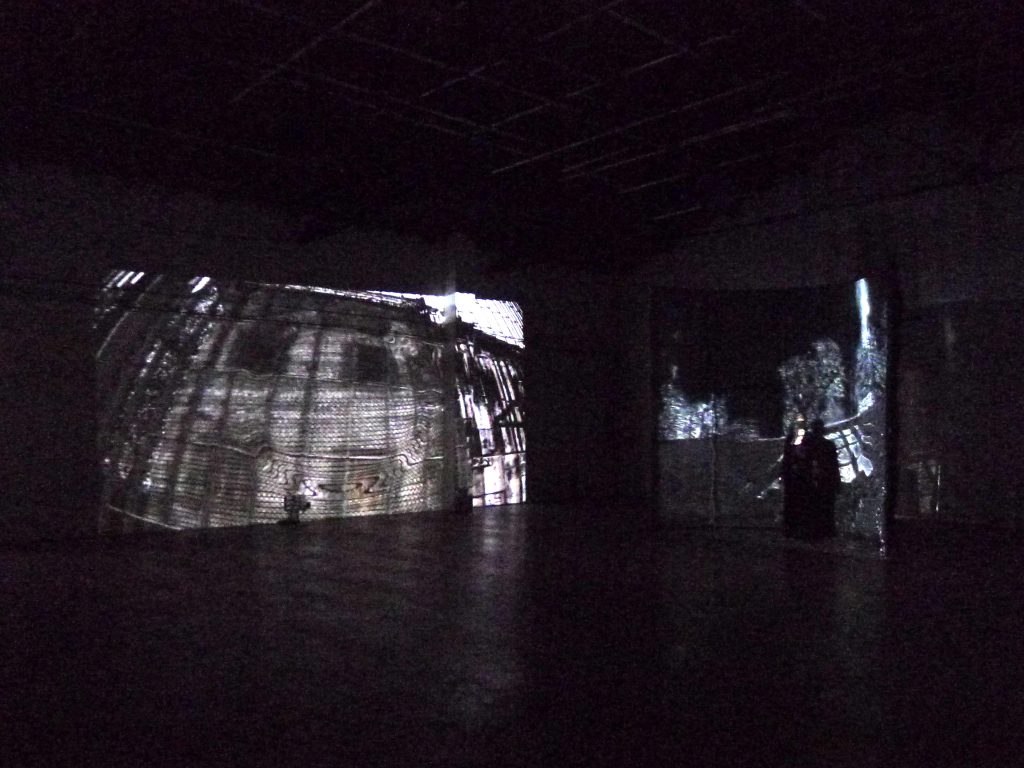
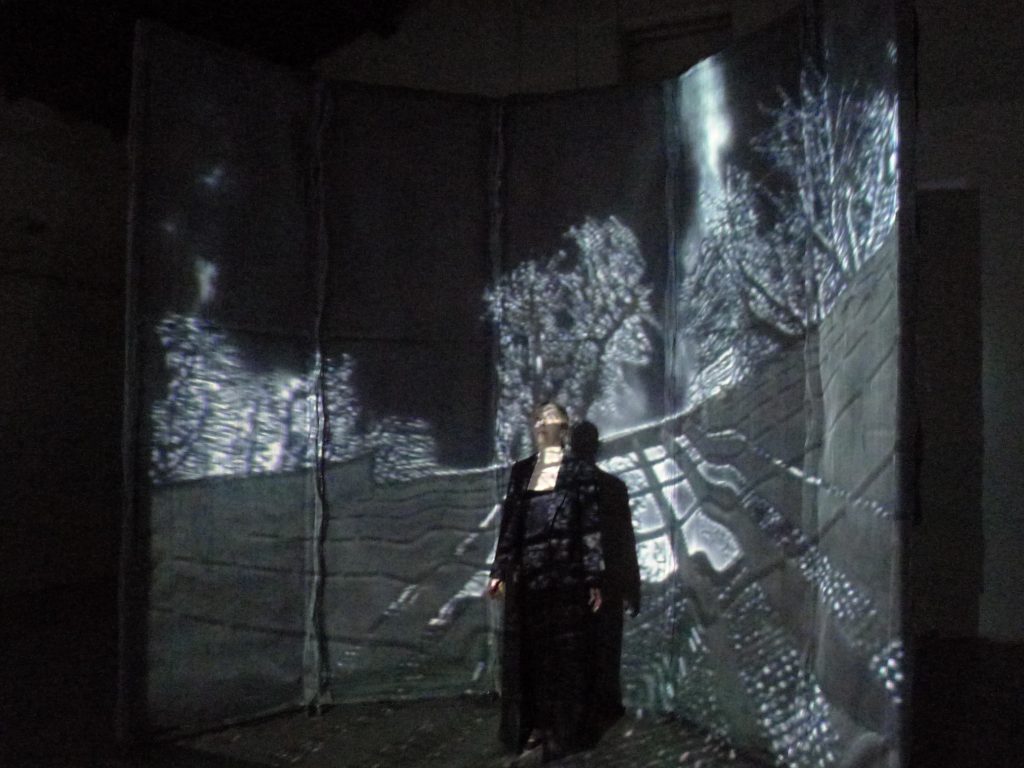
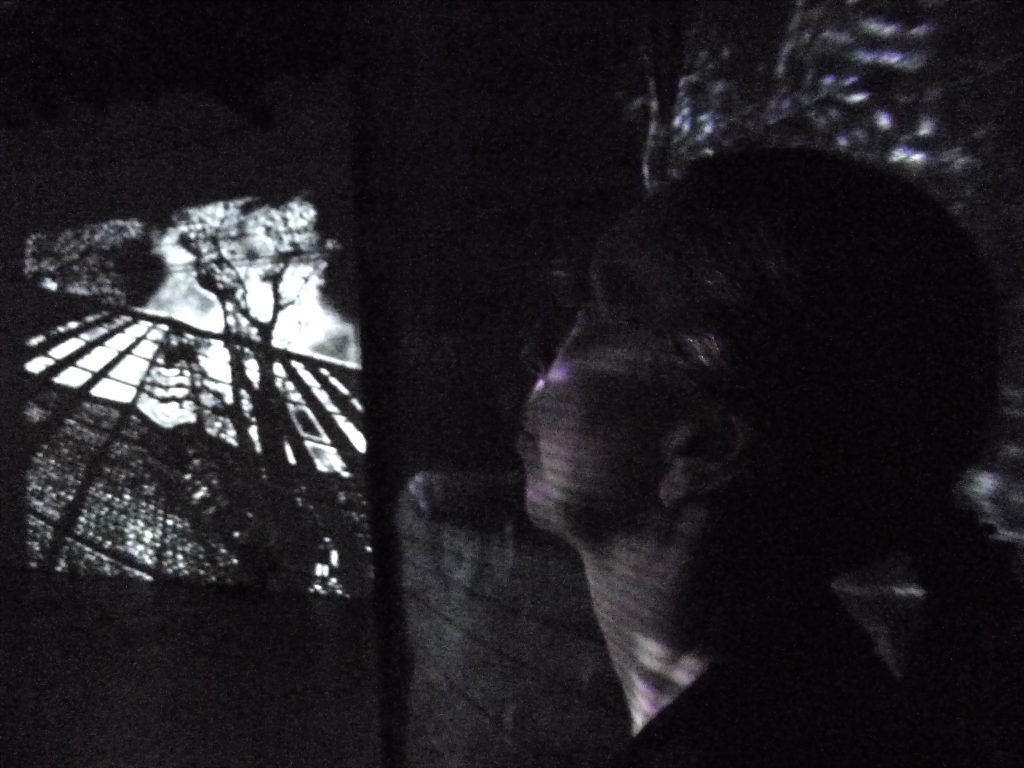
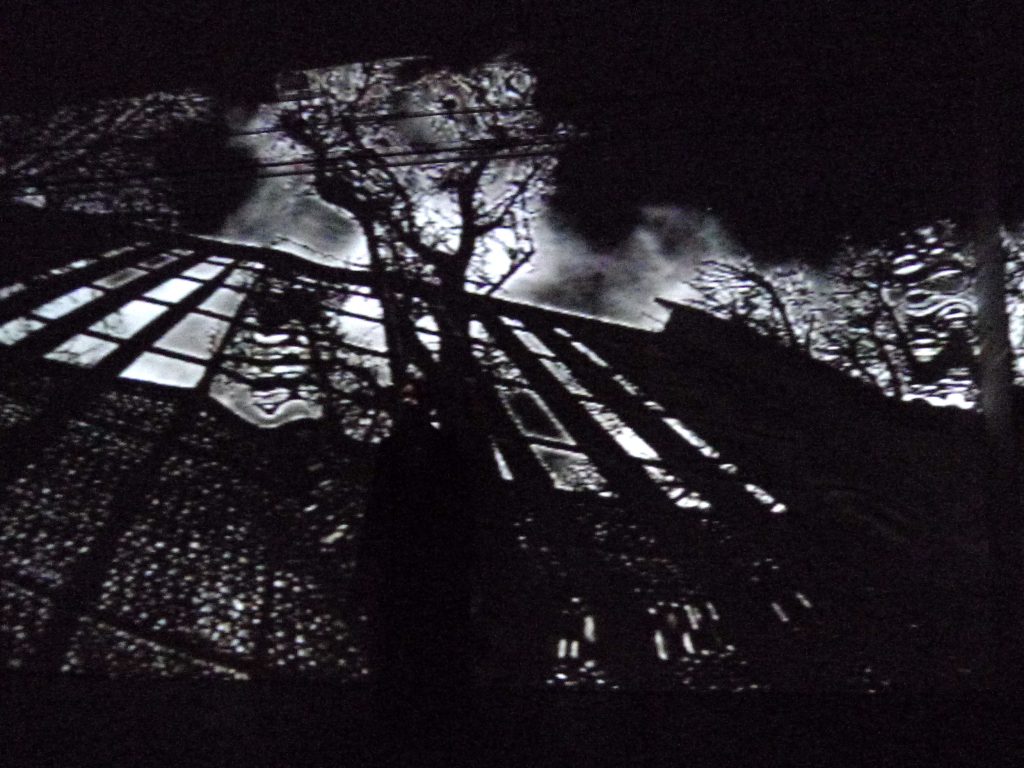
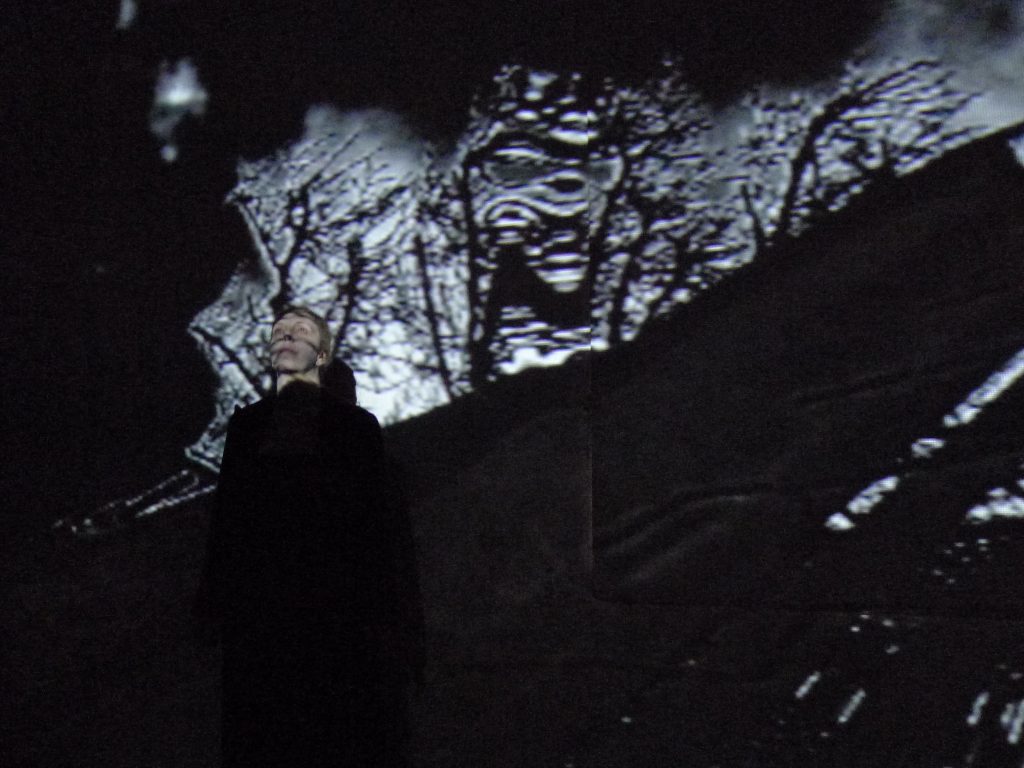
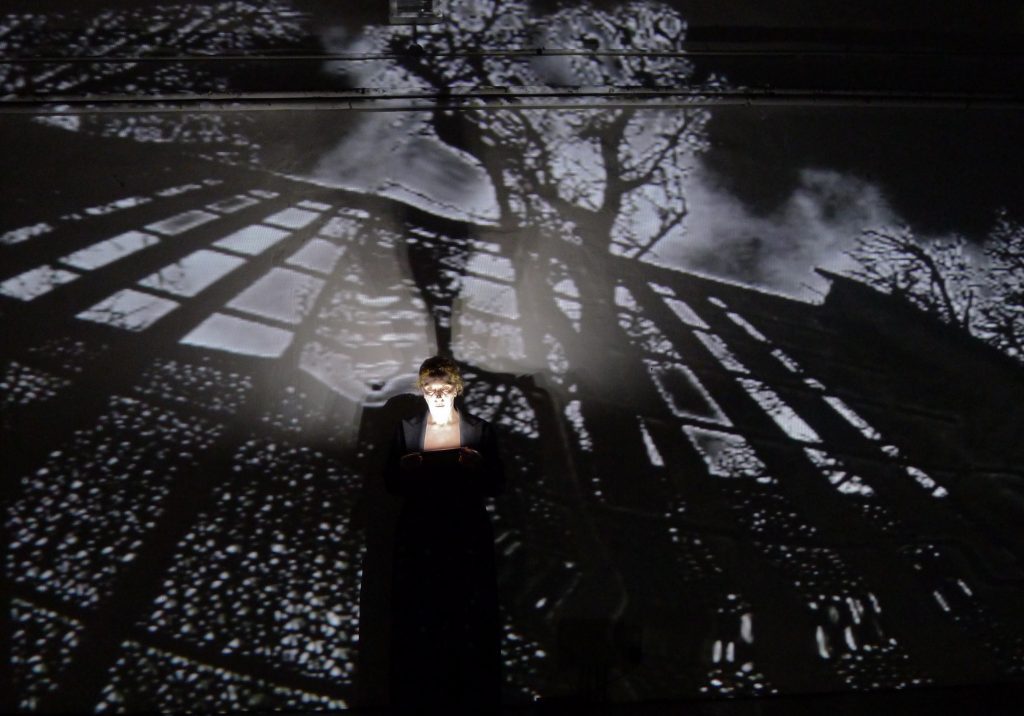
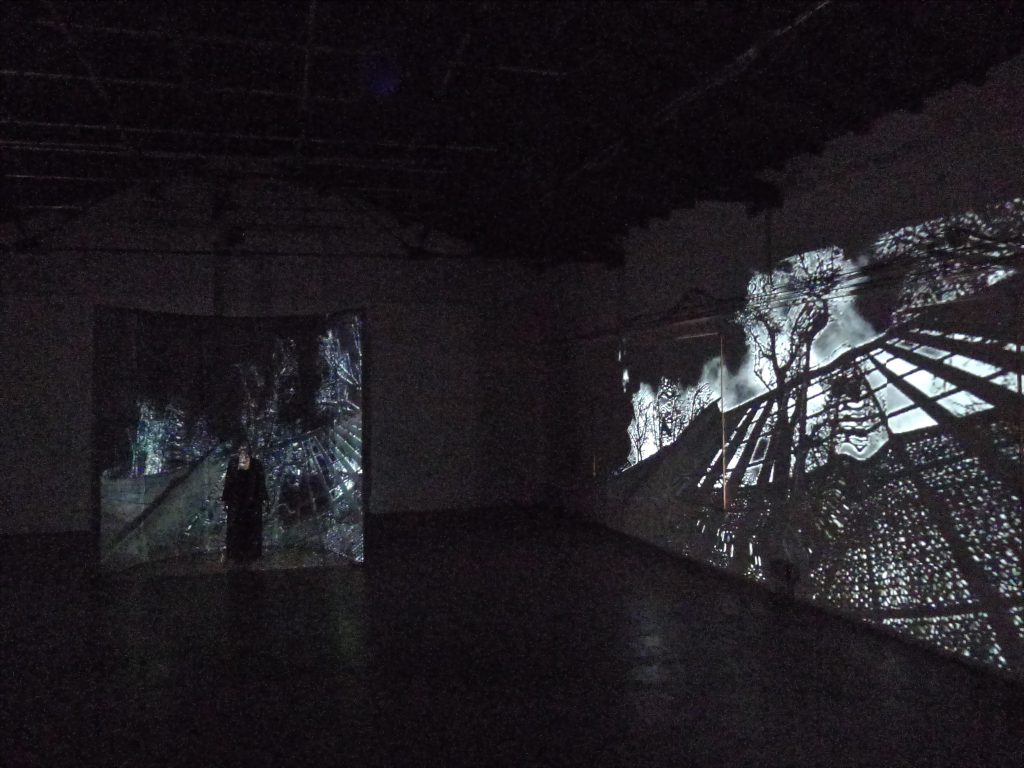
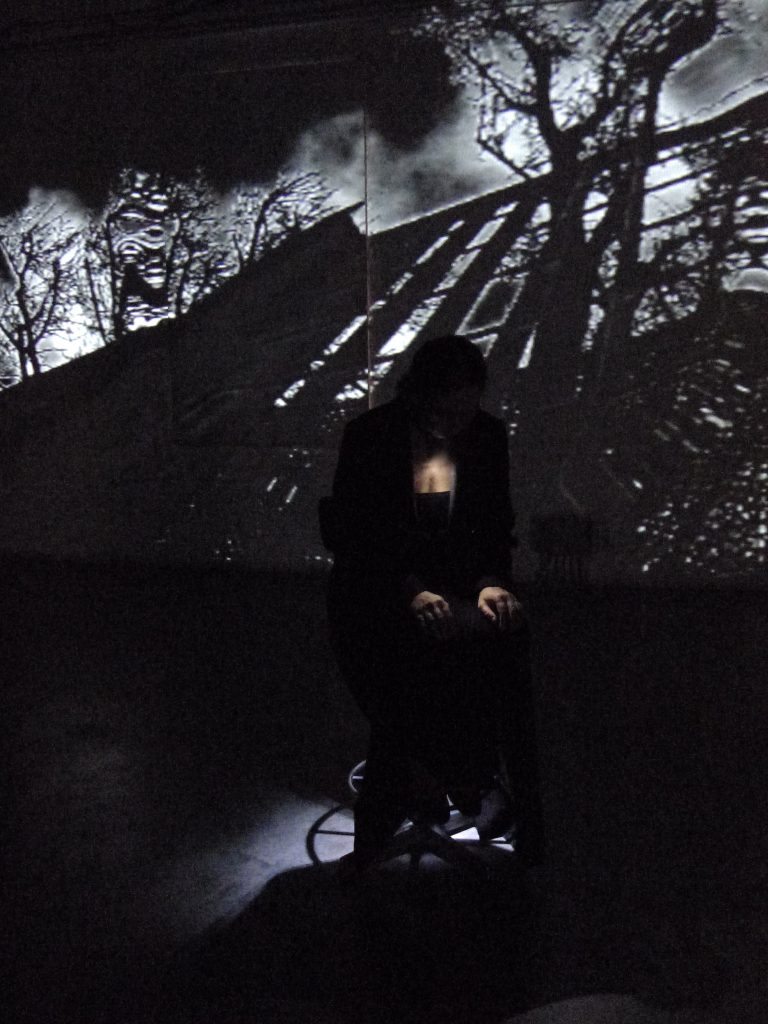
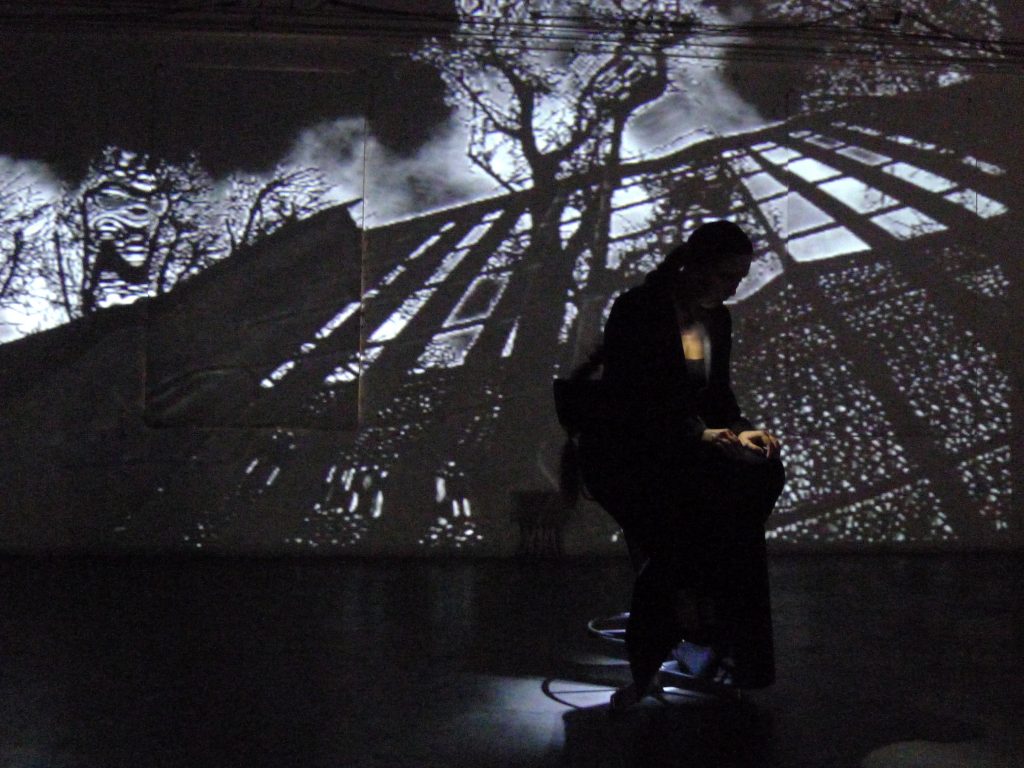
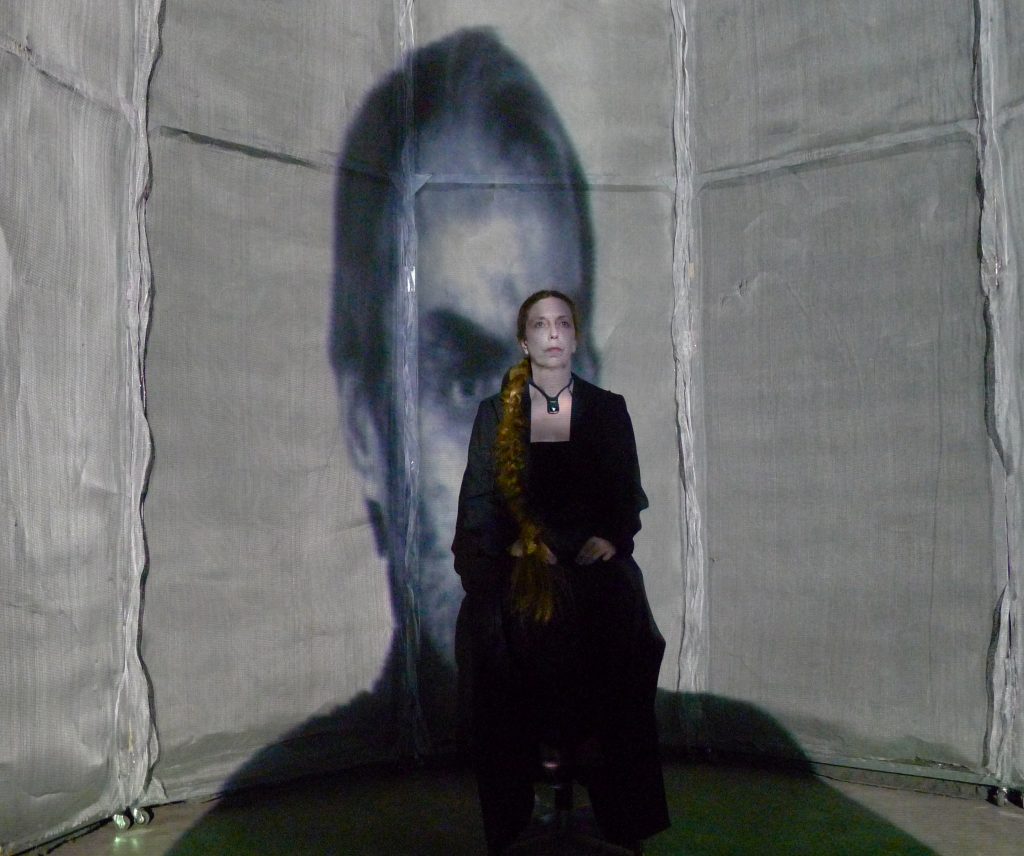
(…) On stage, Instead, minimalist and dreamlike, architecture of light and shadow generated by video installations, it's all for the historic actress from Lenz, Sandra Soncini. Austere, inexorable, inconsolable. In other words terrible yes, but so vulnerable. The idea that the staging suggests is a magma that resembles an embryonic stage, like a placenta from Lady Macbeth's brain. We are literally inside his head and his ghosts, imprisoned between the railings of the REMS. The value of the musical score, as in all the works of the Lenz theater, is truly central: Azzali, through impulses of an electronic nature with a robust tragic aftertaste, underlines the voiceless grammar of hearts locked up for decades in prison without even consolation (torture him) of guilt. (…)
http://www.ilpiacenza.it/blog/effetto-vertigo/la-prima-del-macbeth-di-lenz-con-gli-ex-detenuti-degli-ospedali-psichiatrici-giudiziari.html
– Nature Gods Theatres: Macbeth e Simone Weil
Alan Mauro Vai, TeatriOnline_July 1st 2016
(…) Played on shadows, on the light, as on silences and dark sounds, Lenz's Macbeth addresses the deepest nature of man, leaving excerpts of delirium and the tragedy of action necessary as a path of no return, between what is and what seems. (…)
https://www.teatrionline.com/2016/07/natura-dei-teatri-macbeth-e-simone-weil/
– Macbeth and Hamlet 2016, the invention of the human by Lenz Foundation, Francesco Dendi and Alessio Martinoli
Matteo Brighenti, PaneAcquaCulture_July 25th 2016
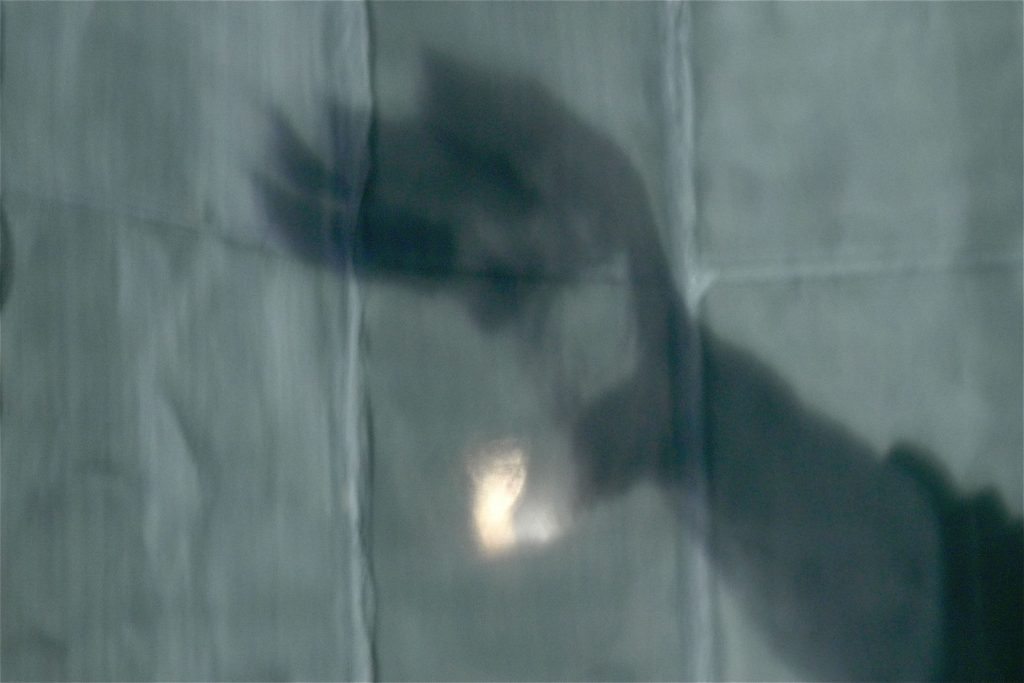
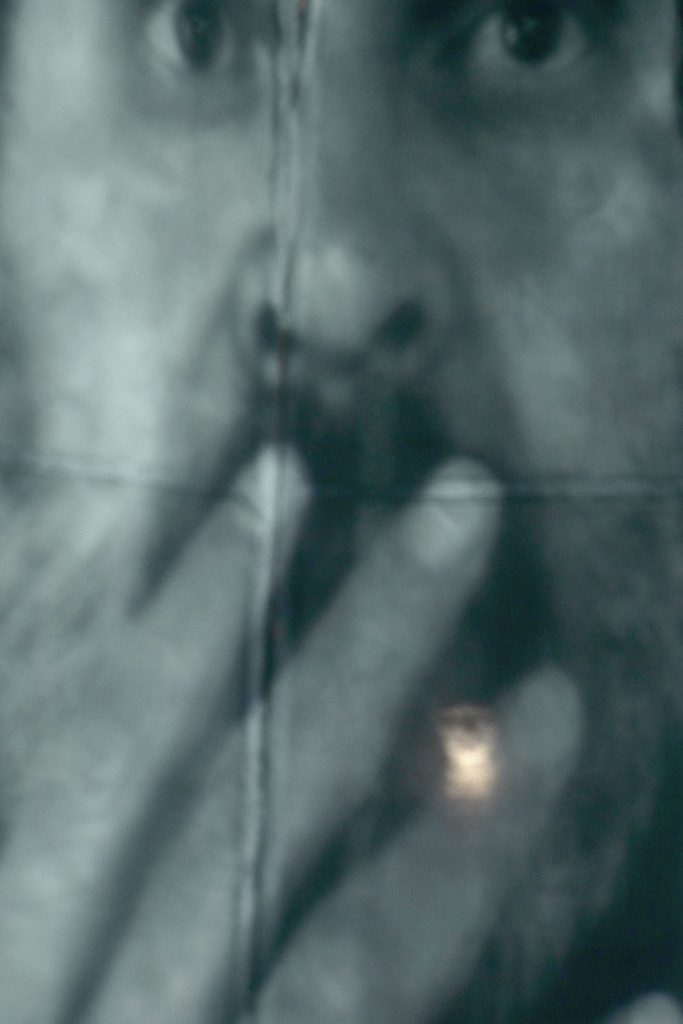
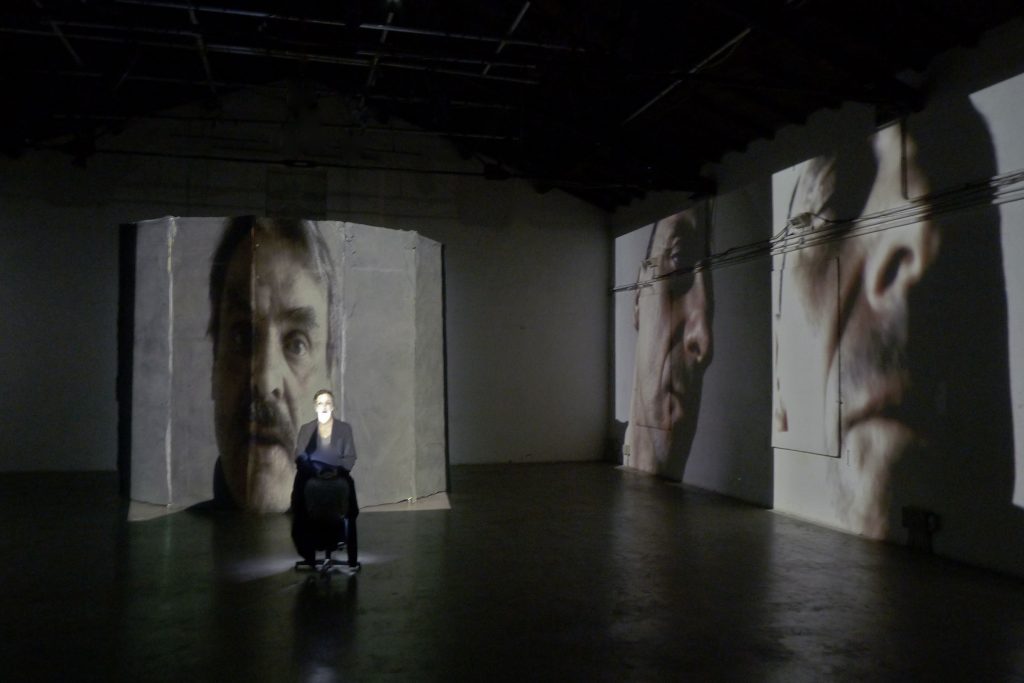
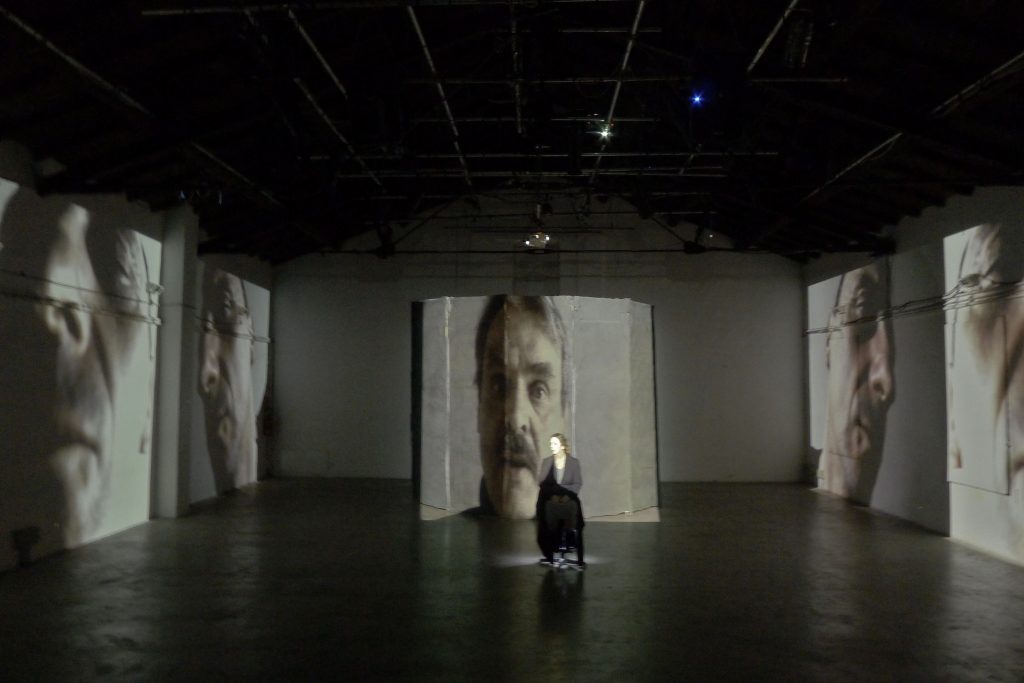
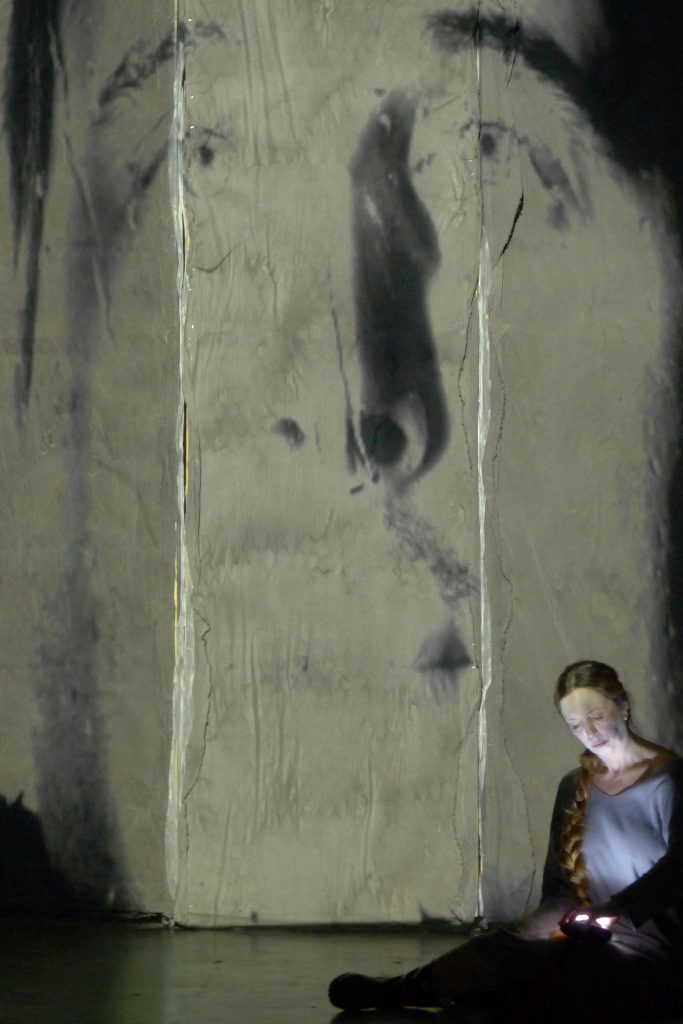
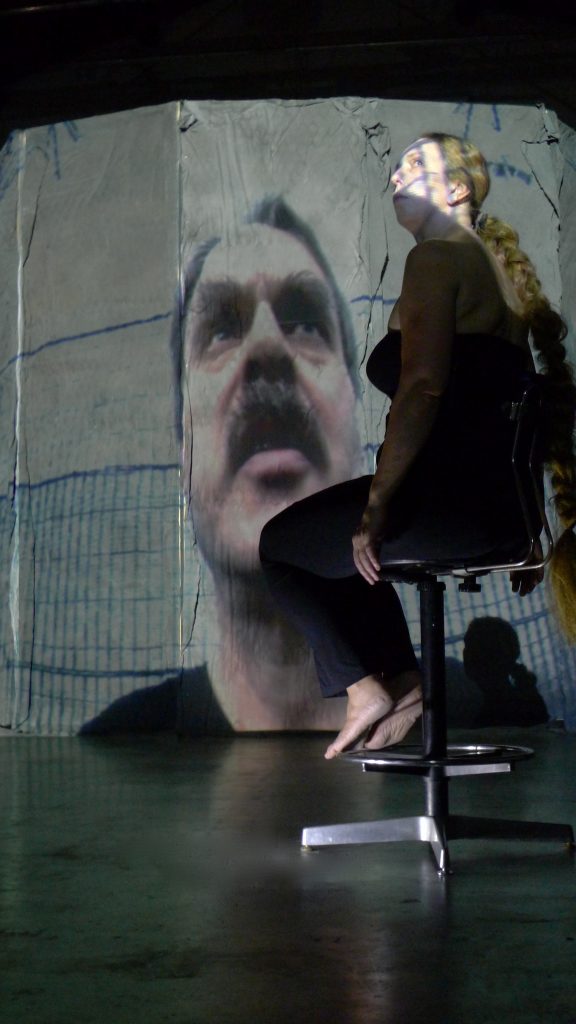
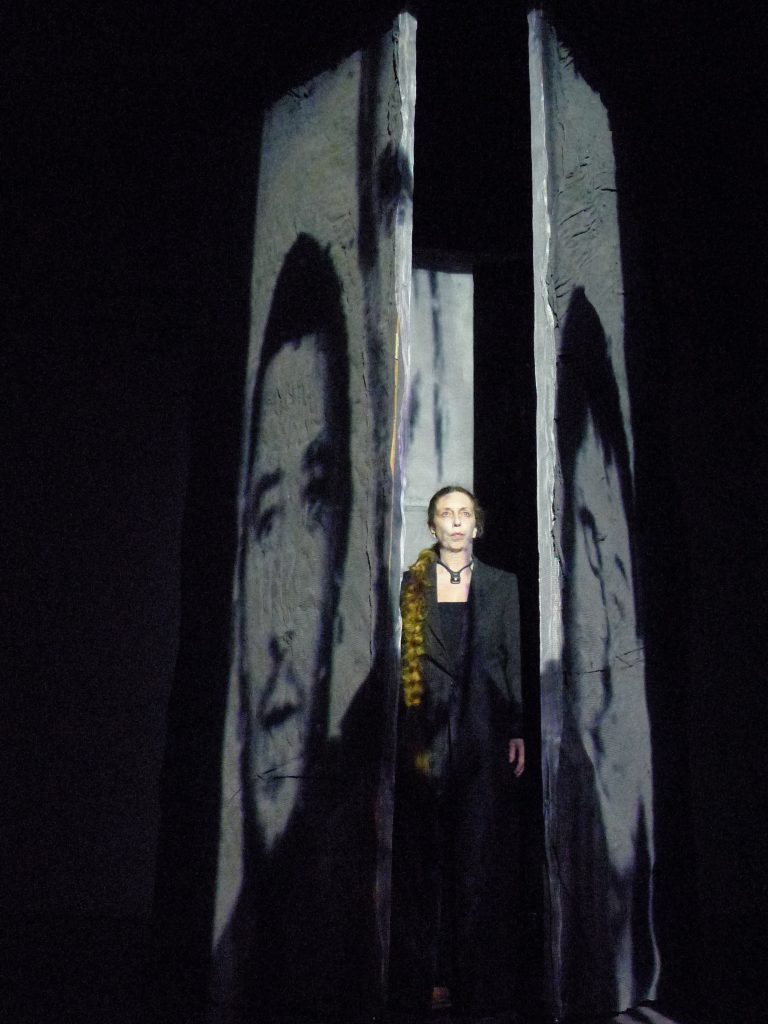
(…) They are faces of hallucinated men, out of focus, burned: a flow of eyelashes, hair, barba, mouth, teeth, broken, divided by the joints that hold the scenography together, stitches, mendings torn like Alberto Burri's bags. When that cave, that monolith of the homicidal mind opens, reveals Sandra Soncini, Lady Macbeth dressed in black on a swivel chair. Alienated darkness with a beating heart. (…)
https://paneacquaculture.net/2016/07/25/macbeth-e-amleto-2016-linvenzione-dellumano-di-lenz-fondazione-francesco-dendi-e-alessio-martinoli/
– Macbeth. Guilt without responsibility
Luciano Uggè and Simona M. Frigerio, Artalks.net_10 December 2016
(…) The book of life (installation signed by the director herself, Maria Federica Masters) which opens to tell, through flashes and suggestions, passages of Shakespearean tragedy interwoven with the new language that arises from the comparison with those who have directly experienced the textual matter in their own existence. Dismantled pieces of a puzzle that reconstructs the story of a betrayal, a murder, a slow slide into madness with no possibility of salvation – or, for those who believe it, redemption.
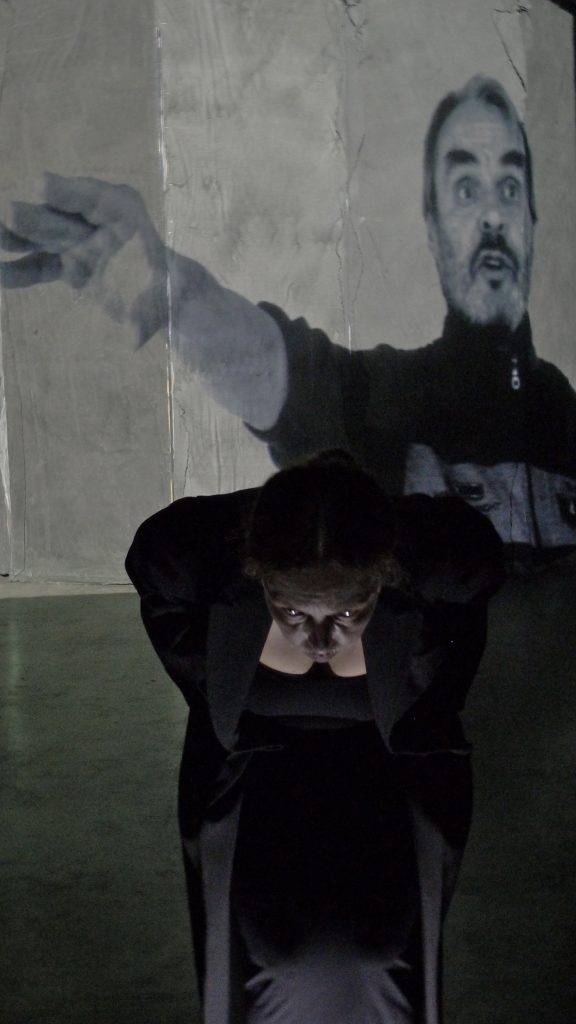
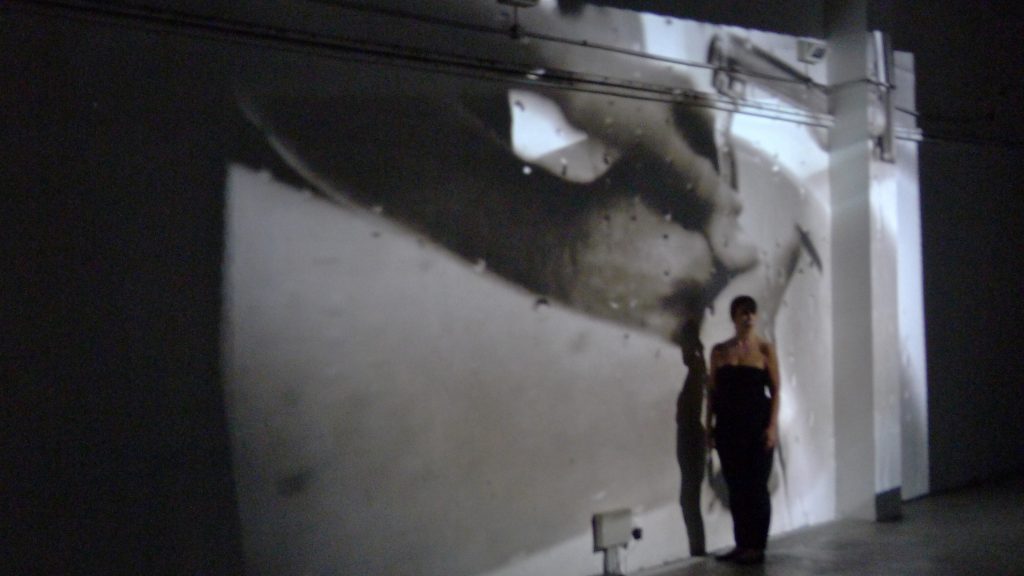
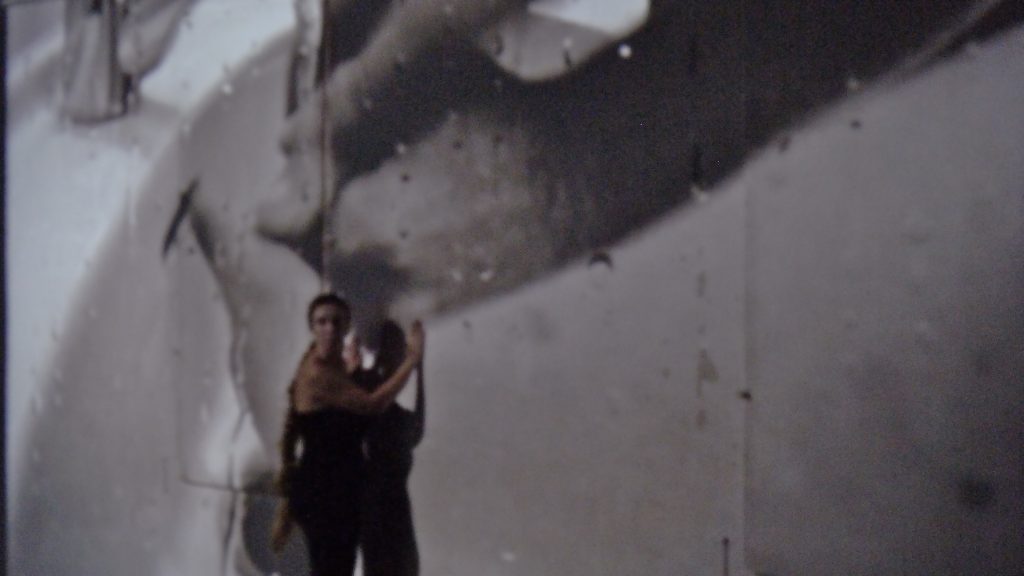
Strong choice to create a diaphragm between the performer, present on scene, and the guests of the REMS, only on video. Choice, partly due to safety regulations, which strengthens, on a poetic level, these figures as presences/absences, archetypal images of guilt in the filmic imagination, who become carnal matter within the structure/prison (real and metaphorical), although they cannot and must not participate in the scene so as not to turn into a story about themselves.(…)
– Disability and madness on stage with Babilonia Teatri and Lenz Fondazione
Tommaso Chimenti, Il Fatto Quotidiano_10 December 2016
(…) Sense of guilt which is also the fulcrum and hub of the very personal (as always original and visionary) version of “Macbeth”conceived and architected by the Lenz in their defaced forms, hazy blurred videos, disturbing voices like cracks creating a carpet where the senses are lost and flow away, they mix like communicating vessels, they shatter. The Shakespearean song about guilt and the ghosts that haunt the mind of the guilty person becomes a monologue here (Sandra Soncini imperturbable ritual vestal) but supported by a choir, in video, composed of the fragmented faces of patients detained in judicial psychiatric hospitals (Opg). Pieces of eyes and teeth (of those who have actually committed crimes and have been guilty of indelible sins) projected onto a circular structure that incorporates like a placenta, protects like a hand, it closes like a shutter, yawns as a confessional, which is a screen to hide in, cave and embrace and curve. (…)
http://www.ilfattoquotidiano.it/2016/12/10/disabilita-e-follia-sul-palco-con-babilonia-teatri-e-lenz-fondazione/3250154/
– Applause for…
Francesca Ferrari, Teatropoli_12 December 2016
(…) Lenz's work becomes a scenic metaphor, visionary and imaginative, capable of opening up an emotional world that is too often avoided and yet true, although capable of leading reason and feeling beyond the meaning of madness, towards a more careful reflection on the very meaning of “action” (performative and real). The dialogue between the protagonists on video and the only actress "in presence" – the intense Sandra Soncini,personification of Lady Macbeth and priestess of a theatrical ritual where this intimate and profound anguish can be shared through gestures and linguistic paths- creates an indissoluble symbolic bond between real life and theatrical experience, always supported by words (in excruciating reiterations and alliterations), from physicality (shown, almost offered as a sacrifice, or just told) e, also, with an evocative and concrete sound track (fusion of tonal music, atonal and electronic). “I did the deed” but the deed in question is no longer just the one narrated in Shakespeare's masterpiece, which in any case we ideally aim for, né quello accennato negli sguardi dei detenuti in video (…)
http://www.teatropoli.it/dettaglio-notizia/500.html
– Attori sensibili alla corte di Lady Macbeth
Daniela Sacco, ATeatro_18 dicembre 2016
(…) La dialettica polare, tesa tra attore e attori sensibili, che Lenz ha sempre riconosciuto, si gioca nel Macbeth sul tema capitale della responsabilità del male, ed è offerta al pubblico nel contrasto irrisolto tra la colpa consapevole dell’essere razionale e la colpa inconsapevole dell’essere incapace di intendere e volere. Questa dialettica, come l’immagine benjaminiana, esplode in scena in costellazioni di immagini: è espressa plasticamente attraverso il materiale demonico delle immagini, di cui Lenz ha una ben allenata dimestichezza. È conio di Pittito l’espressione “imagoturgia”, che sembra raccogliere non solo l’azione fattiva, poietica, sulle immagini, ma anche l’Ur, la loro originarietà senza inizio nel tempo. Una originarietà che non essendo dislocata in un illo tempore non è semplicemente evocata, ma non può che darsi totalmente nell’immanenza spaziale della presenza scenica. Immanenza ovattante e respingente con cui Federica Maestri plasma lo spazio scenico nel dialogo fluido tra video e presenza fisica. (…)
http://www.ateatro.it/webzine/2016/12/18/attori-sensibili-alla-corte-di-lady-macbeth/