







THE CONSTANT PRINCE
The living/eternal, is to live with honor.
Honor of God and his glory,
not vainglory.
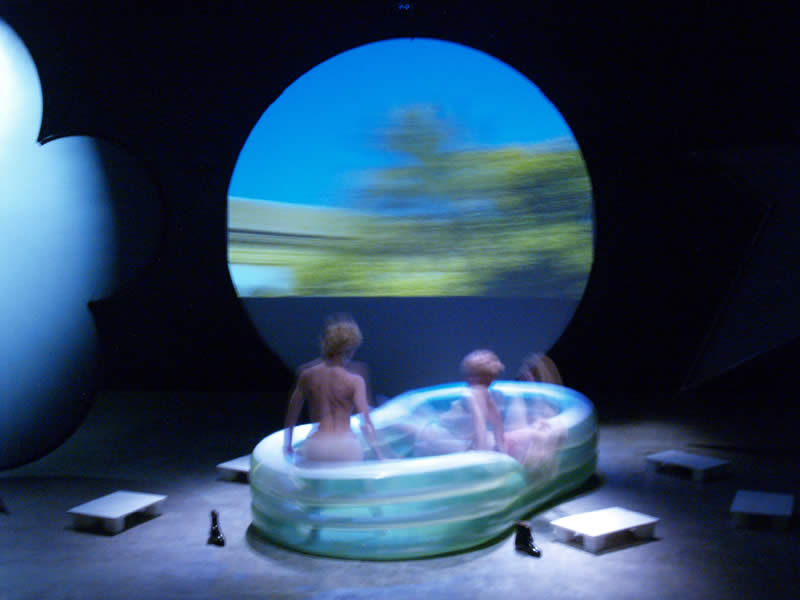
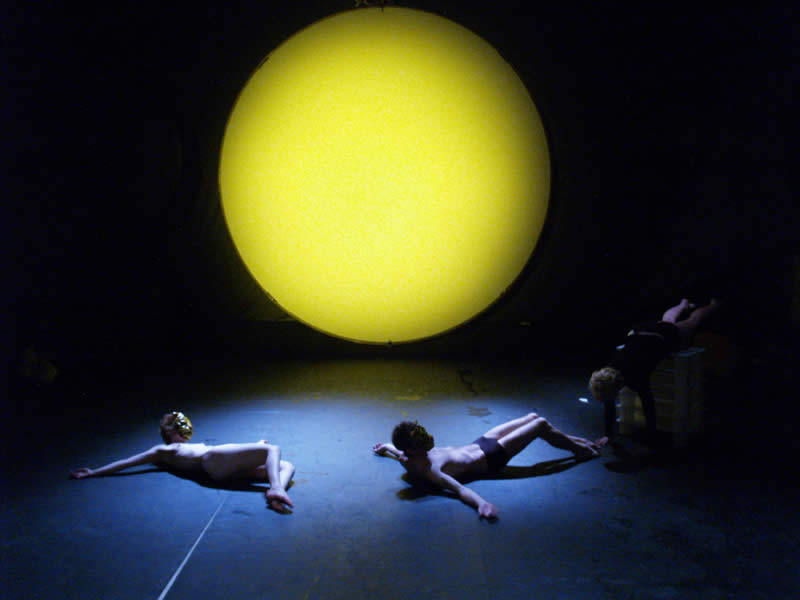
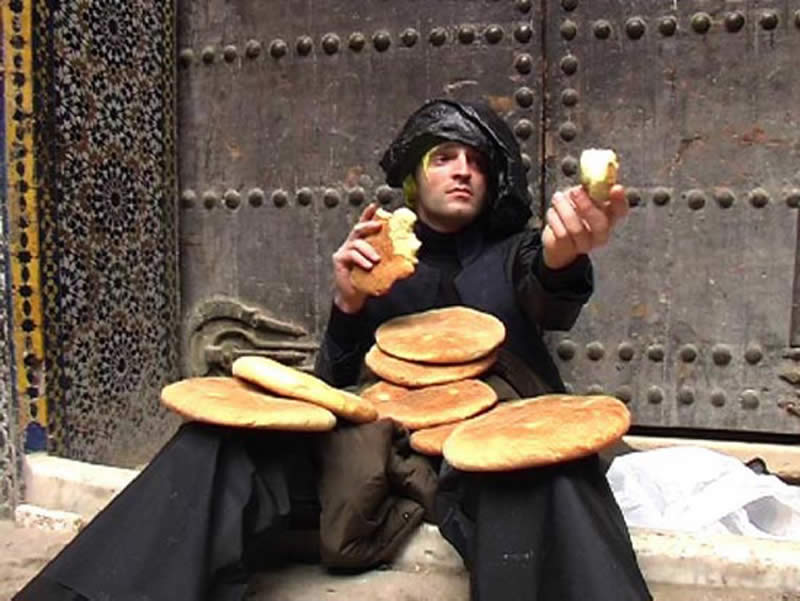
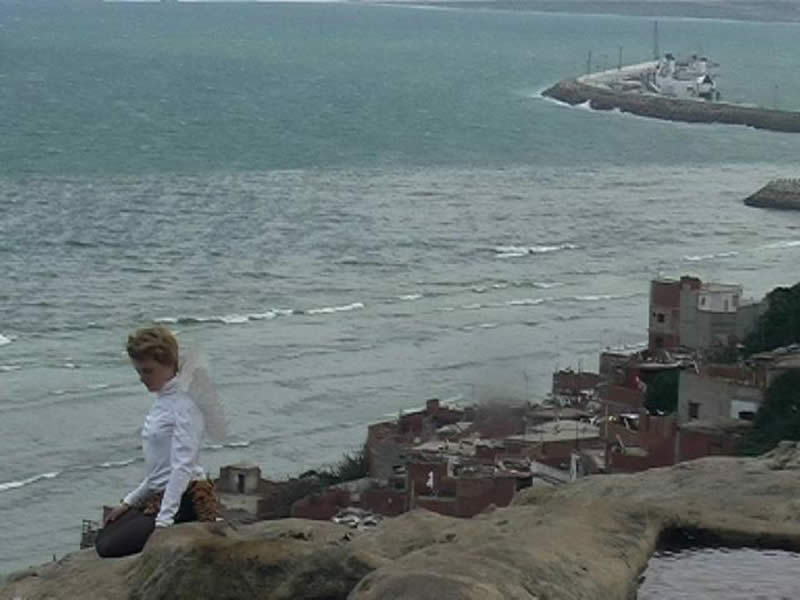
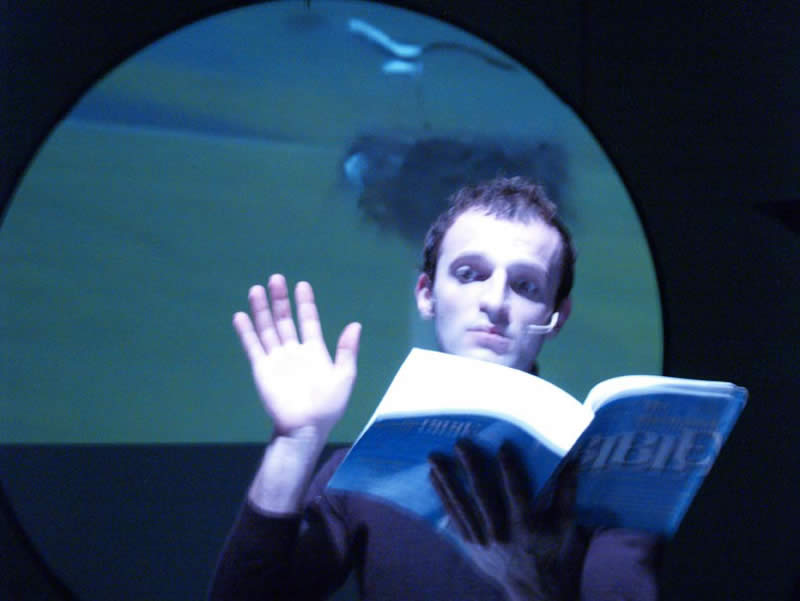
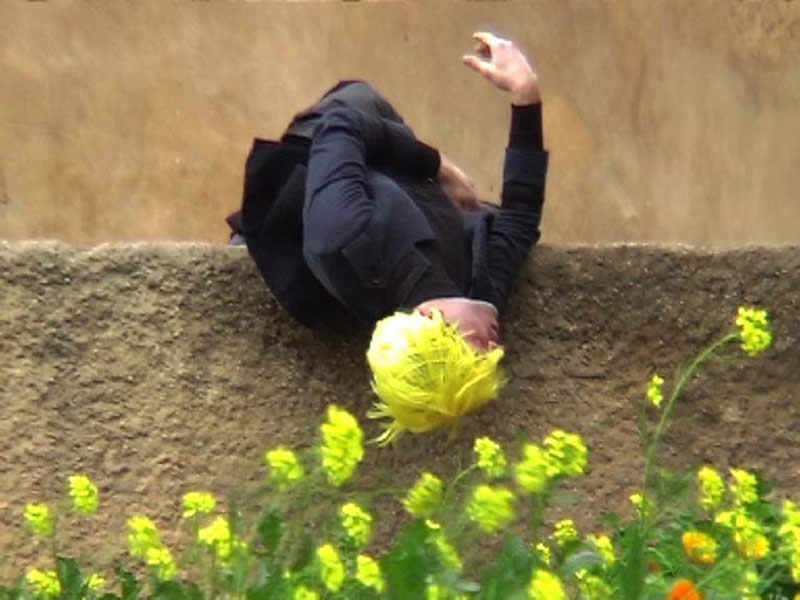
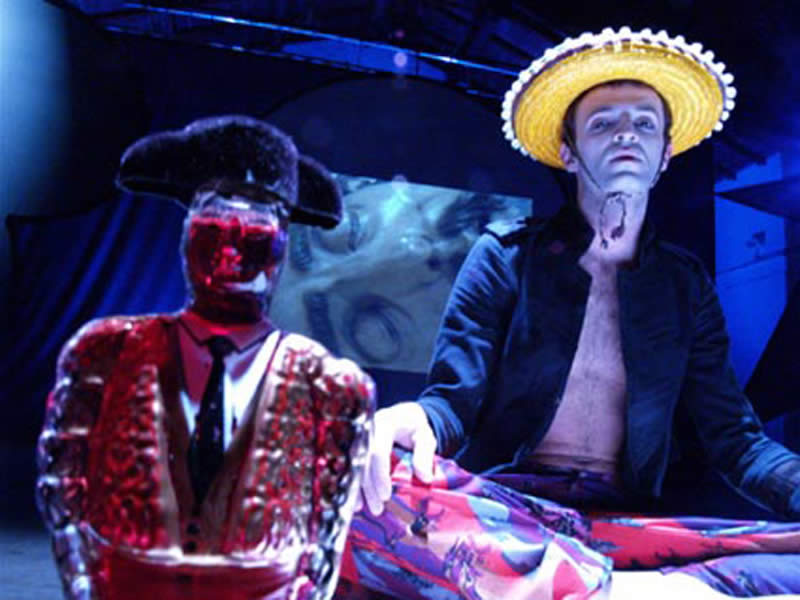
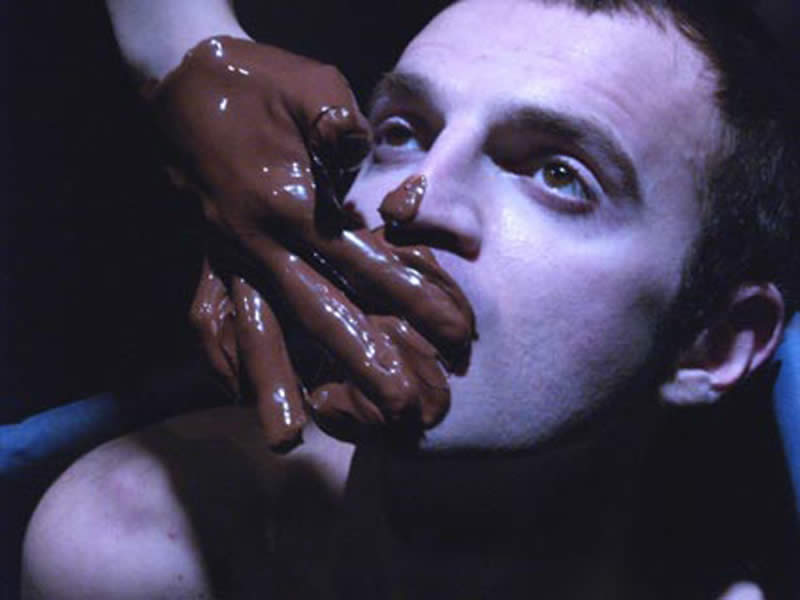
Goethe, in a letter to Schiller in 1804, writes: “If all the poetry in the world were to disappear from the face of the earth it could be rebuilt with the only constant Prince.” The work came, Then, performed at the Weimar Theater in 1811.
Don Fernando as the myth of the lone Christian knight, of the mortal arm of Christ and his sword, that is, of the full conviction of the sacrifice of the body as redemption of the world, pietas of the rigor and firmness of the lonely man, in the affirmation of one's own irreducible weakness, the only true invincible weapon of justice against the power of weapons, of profane religions and ideologies.
Opposition between love and honor to God, between mortal life and vital death, between appearing and being without disappointment. “ – we glory even in afflictions, knowing that affliction produces patience (costanza), patience is experience and experience is hope.” (Letter to the Romans, 5, S.Paolo) From the mysticism of Juan de la Cruz to the asceticism of the Christian man.
ASCESS. Da "askésis", exercise. Spiritual and physical training that, through fasting, insulation, meditation and prayer bring about inner perfection and detachment from the world and instincts.
The drama of asceticism and deprivation is sung in a language whose richness, abundance and ornamentation form the dominant color. The contrast between the exuberant flourishing of language and the denudation of the hero's soul and body produces a unique effect., the essential element of this baroque drama par excellence.
Different from Segismundo and Cipriano, Prince Fernando is of a constant spirit, his certainty in his God is firm, resolute and patient. No pact with order or with the devil, the only conquest is in the name of God and nothing must be returned if it belongs to God. The only kingdom and the only love is of and for the only God. The Man Factory must not linger, must have consistency, experience, hope.
There is no room for any other love:
The hero of Caldron's drama can still exhibit aesthetic authority (arouse admiration for those qualities that distinguish him from others), ethics (educate others through one's own experience and one's words - being a bridge to the truth for others) and religious (“to ignite by example” a passion similar to his). (M. Cacciari. “The Archipelago”, Adelphi)
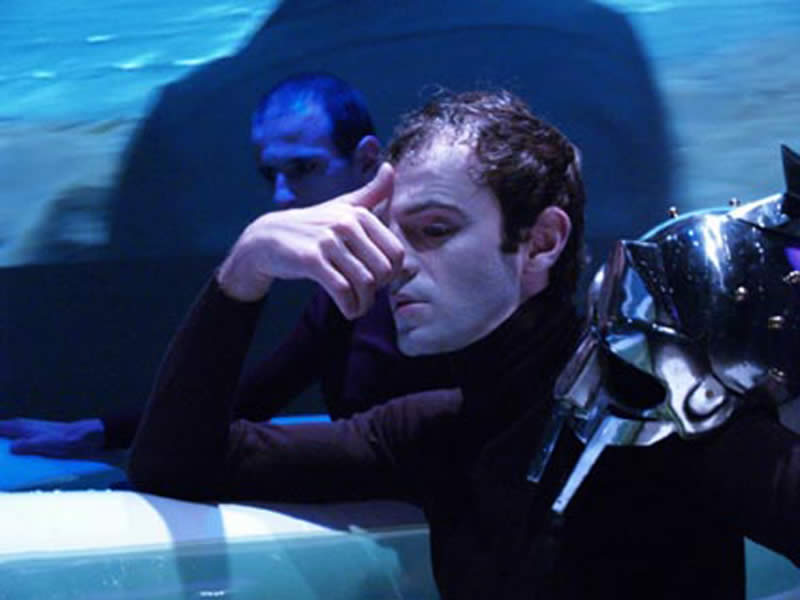
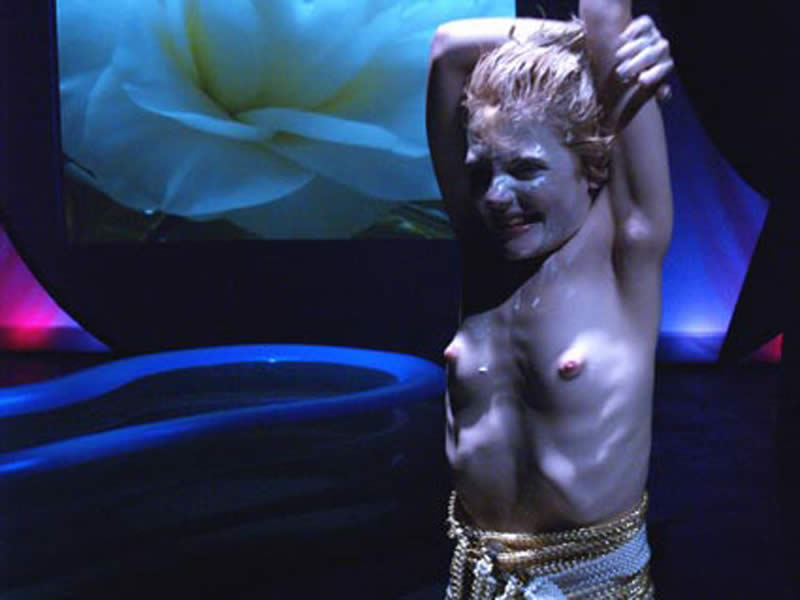
The staging of “The Constant Prince” by Pedro Calderón de la Barca, last stage translation of the triptych composed of “Life is a dream” and “Il Magico prodigioso”, proposes a further linguistic and aesthetic study of the work which, in particular in Jerzy Grotowski's creation from the second half of the sixties, has contributed most to redefining the ethical sense of the contemporary actor and theatre.
The investigation into the state of grace and purification – “psychic light” – practiced by the actor Ryszard Cieslak remains a point of reference and boundary between the different values assumed by today's theater. The incarnation of the dramatic figure of the Prince in the actor's body synthesizes the multiple philosophical states, psychological and psychic aspects of global man and his behavior in relationships between different cultures and religious faiths. But equally significant were the different experiences practiced by body art in the seventies, in particular by the French artist Gina Pane, through reflections and explorations about the enigmas of the human body and the holy martyrs, rebels by vocation, courageous non-violent fighters, heretics, maniacal and rigorous.
The long experience of the Lenz Rifrazioni actors with sensitive actors - in particular with lived stories of psychiatric internment - has produced profound reflections on the artistic action of the company.
The crossing of the philosophical and aesthetic architectures of "Life is a dream" and "Il Magico prodigioso" has allowed us to cross the threshold of mere theatrical fiction to trespass into the field of the absence of perception of the real body and time. The restoration of corporeality to those who had lost it was the main acting work that perfected the dramaturgical framework. The donation of one's body as a means of artistic sense has made it possible to bring to light the complex themes of the Caldronian texts examined.
The sensitive actor already carries his Sigismund within himself, his Cyprian, his Don Fernando.
Of course the work of art can only be a mediated refraction of this human condition but, precisely because of its proximity to an ascetic state (spiritual and physical training) with that of the actor who has experienced a significant otherness, the transfiguration produced by the theater can be a common field of experimentation for artists of different cultural backgrounds.
The sacrifice, martyrdom, grace, devotion, the honor, love are themes common to different cultures and religious faiths that have characterized the history of all Mediterranean countries and "The Constant Prince" could be, four centuries later, an interesting multicultural and multilingual experiment in the territory of contemporary dramaturgy and theatre.
– Critical essays
IMAGOTURGY AND MELANCOLÍA CONTROMANO.
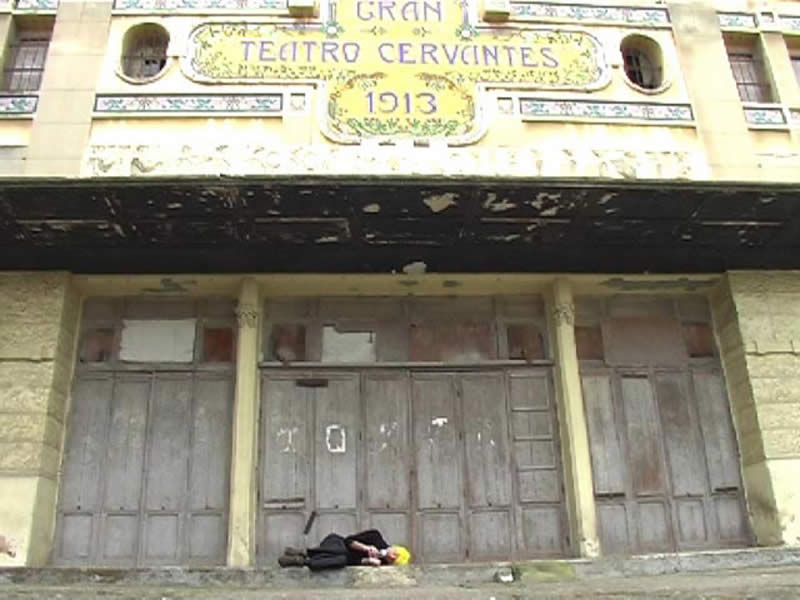
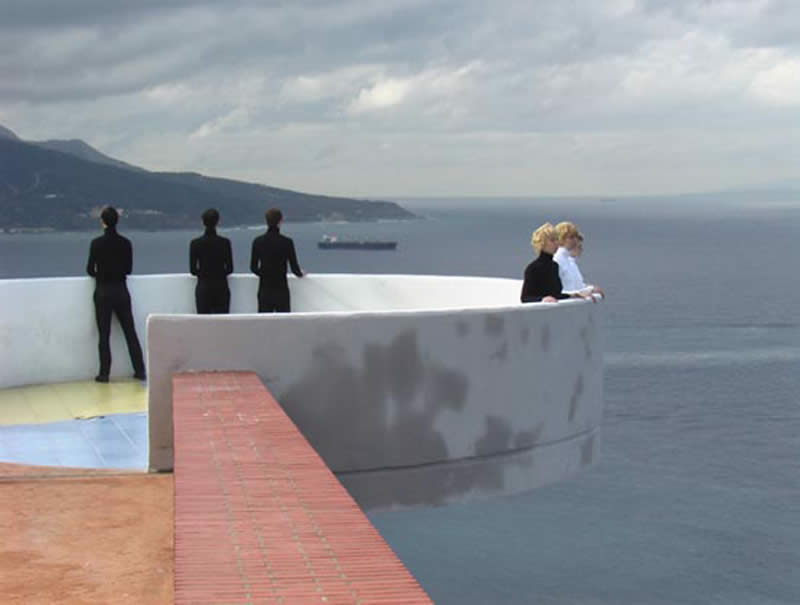
TOWARDS TANGIER, CEUTA, FEZ.
FILM PRODUCTION
IN A NEW MIND BRING CHANGED BODY SHAPES.
Notes on my Little Prince
THE LITTLE PRINCE AND THE REBUS OF GOD
The riddler of pain.
Who are you?
And who are you?
Abandon beauty and die for beauty.
Loving the portion and worshiping the supreme.
Desire weakness and gain strength.
Ascension in decrease: eat fasting.
Become - 0 < less than zero
Prince’s Adventures in Wonderland:
And what you found there? My Church.
The Church is the hole in the fairy tale. Or rather THE PLACE UNDER THE STAIRCASE.
The Theater of Death:
Look for green among red.
Fernando not a martyr but a subject/object of aesthetic function.
Fernando is God's artist.
Africa_Last Paradise – Now
For Baby Prince, God is a biblical-calligraphic sign of an adolescent vocation.
Landing in Africa_Sentimental geography.
In Africa: the Sun floods with its rays the beauty of men and beasts.
In Africa: tigers and gazelles are cruelly hunted and die in pain.
In Africa: the prince sees beauty and cruelty.
In Africa: the prince becomes a beast and gives shape to his Cross.
The gazelle and the cradle
The gazelle and the latrine
The gazelle and the tomb
Yellow/Black=One way
Tiger/Dead opposite Life
Please save my suffering Animal
Don’t forget me.
1 SOLE
1 STELLA
1 FIORE
ALIGN THE FIGURES OF DEATH
Yellow Sun
Yellow Boy
Taking Light/Losing Light
Bartolomé Fuin Murillo_Exstasis of San Francesco de Asis_1650_Museum of Fine Arts of Seville
Yasuhiro Nightow_Trigun_Deep Space Placet Future Gun Action_2000_Tokio
Eugène Delacroix_Album of North Africa and Spain_1832_Louvre Museum_Paris
THE CONSTANT PRINCE
by Pedro Calderon de la Barca
translation | rewrite | playwriting | imagoturgy || Francesco Pititto
regia || Maria Federica Masters | Francesco Pititto
mute matter || Maria Federica Masters
music and electronic processing || Andrew Azzali
interpreters || Alessandro Sciarroni | Matthew Ramponi | Hector Lombardi | Sandra Soncini | Elisa Orlandini| Valentina Barbarini
light design || Rocco Giansante
costume making || Manuela Barigazzi
scenographic creations || Luca Melegari
manages the Calderón Project || Lisa Gilardino
production || Lenz Refractions
first || Golden Age Theater Conferences, Almeria (Spain), March 2006
duration || 120 minutes without breaks
The show was presented at the Jornadas de Teatro del Siglo de Oro, Almeria (Spain), at the Festival Classicos in Alcalà, Madrid (Spain), at the Segnali Barocchi Festival, Foligno
full video THE CONSTANT PRINCE:
documentary MELANCOLÍA CONTROMANO [imagoturgy THE CONSTANT PRINCE]: