







DELIVER TO US, GIRL, YOUR EYES [2017]
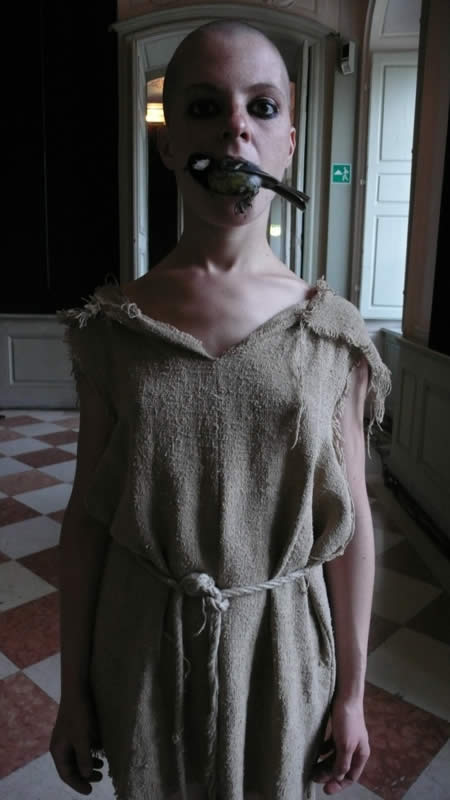
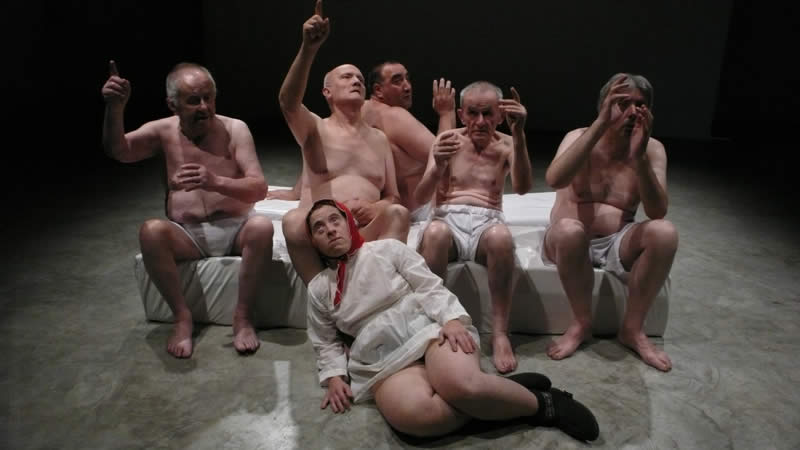
In the 2017 Lenz Fondazione proposes again within the industrial spaces of Lenz Teatro Hand us over, girl, your eyes a large installation of visual and performing art created in 2008 for the Royal Palace of Colorno by Maria Federica Maestri and Francesco Pititto, first ever theatrical transposition of the text The Ballad of Little Red Riding Hood by Federico García Lorca (Ugo Guanda Publisher 2005). The poem in verse written in 1919 by the great Spanish poet and playwright and remained unknown until the mid-1990s, it was retranslated and adapted for theater, thanks to the particular poetic writing and narrative structure, particularly stimulating characteristics for the reconstruction of a poetic landscape whose boundaries, territorial and cultural, they go to the origins of the childhood imagination and memory of the whole of Europe. The retelling of the Grimm fairy tale, the reference to Dante's Divine Comedy, Lorca's poetic passion constitute a powerful metaphor for a contemporary vision of the real world.
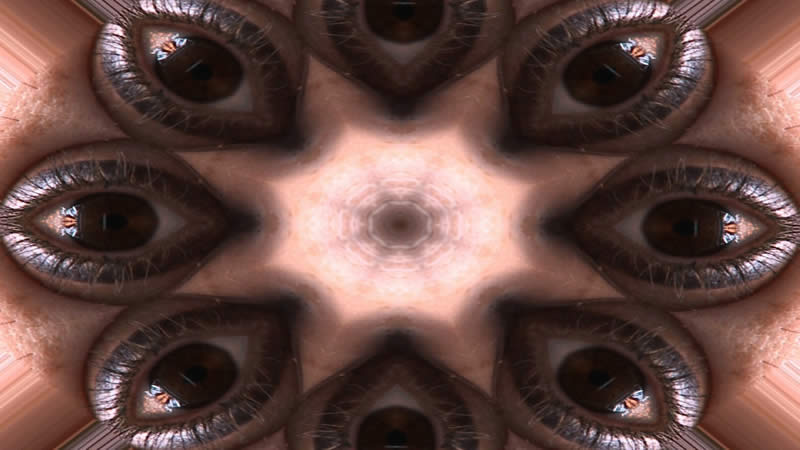

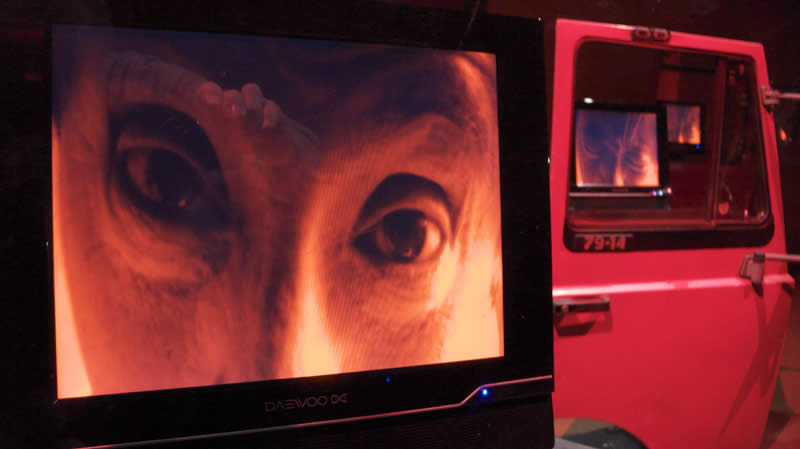
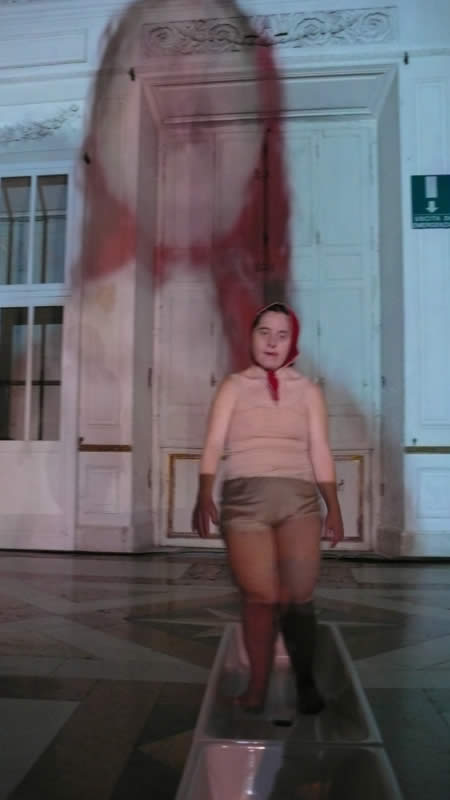
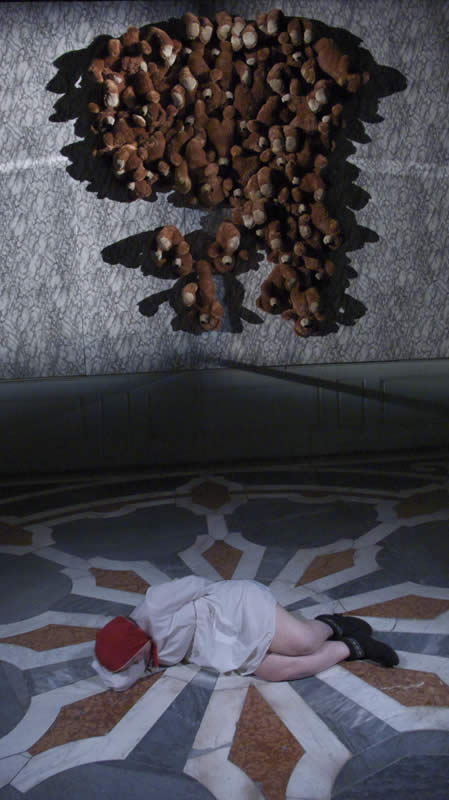
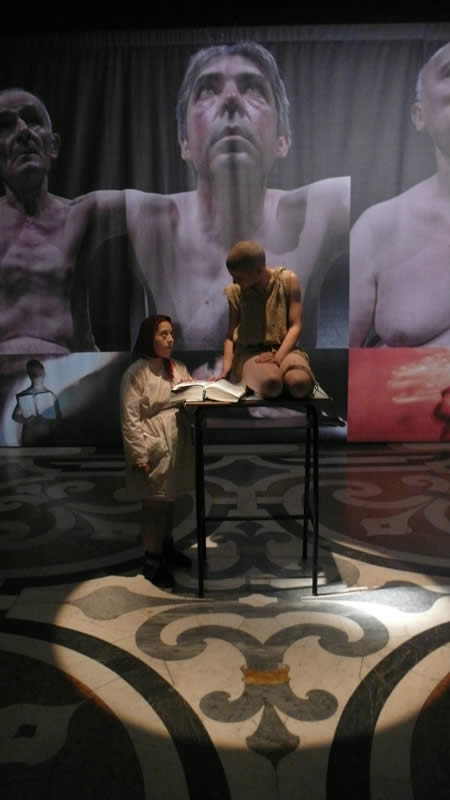
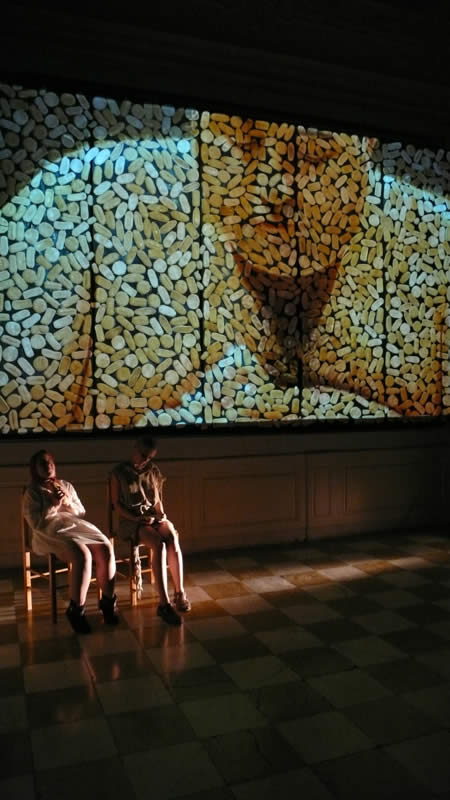
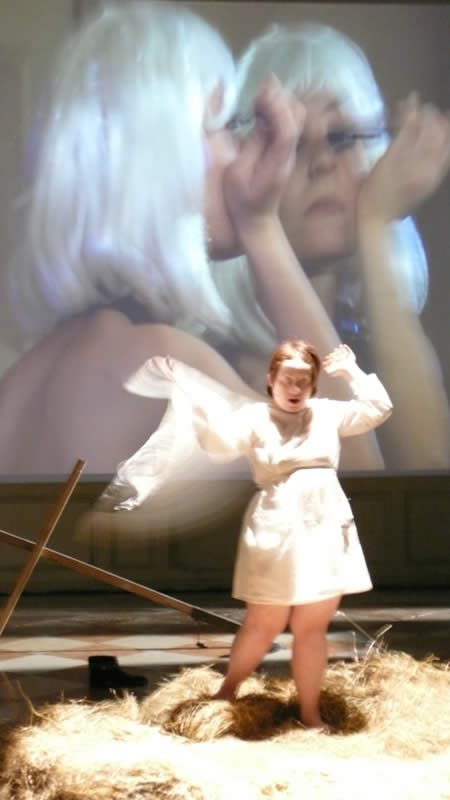
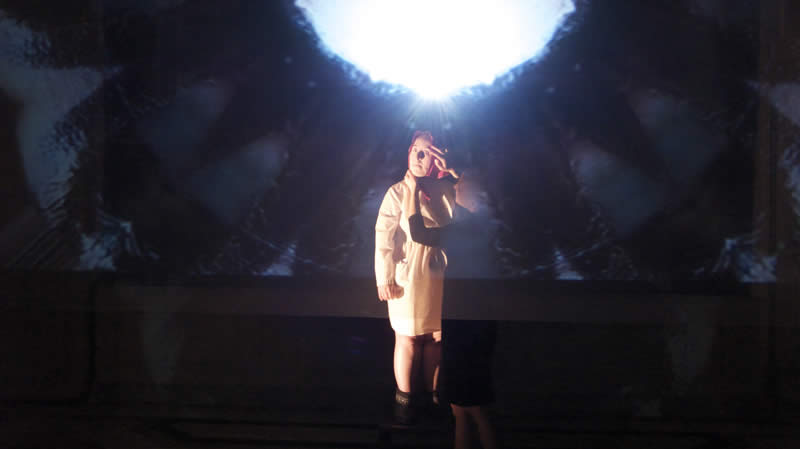
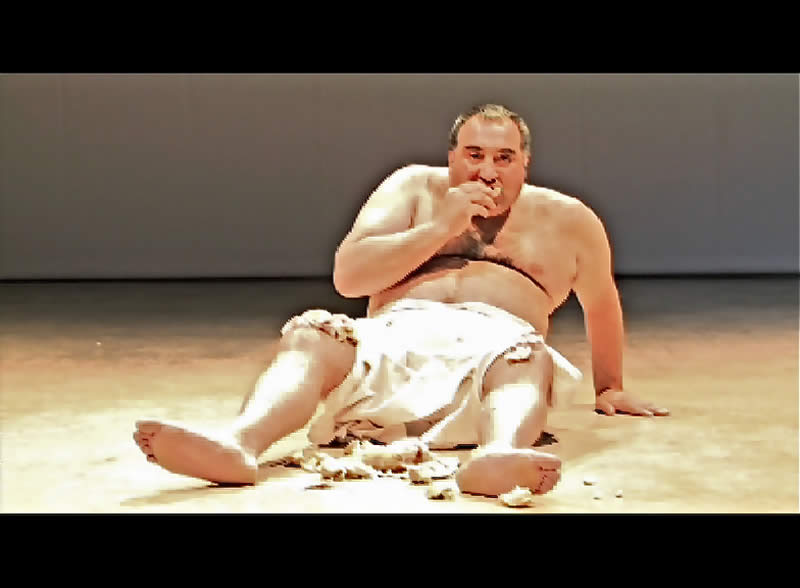
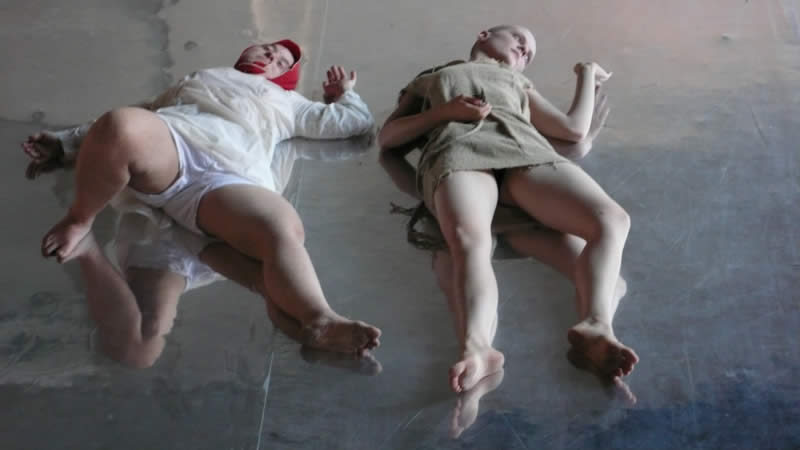
On stage Barbara Voghera, historical sensitive actress already protagonist of Hamlet and the successful project dedicated to the fairy tales of the Brothers Grimm, together with Valentina Barbarini, iconic interpreter of the foundation's most recent works. Original music by Hand us over, girl, your eyes – collected in a CD published by Horus Music – were composed by Robin Rimbaud / Scanner, London-based electronic musician, which he recently created together with the Lenz Foundation Verdi Re Lear, musical and visual work presented with great success in the edition 2015 of the Verdi Festival. Scanner has collaborated with musicians such as Radiohead, Bryan Ferry and Laurie Anderson and has exhibited and created works in the most prestigious contemporary art spaces including the Hayward Gallery in London, the Center Pompidou in Paris, the Tate Modern Gallery in London, the Macba of Barcelona, the MoMA in San Francisco, l'IRCAM di Parigi.
Within this original fairy tale of great aesthetic strength we follow the path of Little Red Riding Hood lost in a dark forest reminiscent of Dante, inhabited by flowers and cruel butterflies, monstrous beings who want to tear away the childlike purity of his eyes. But the path transcends the primary nature of the body to access the place of spiritual enlightenment. Through the holy bath, immersion in a baptismal stream, Little Red Riding Hood's journey to Paradise begins. His guide is Saint Francis of Assisi, God's "poor" jester, who loves every being in creation: in a relationship of continuous chasing and seeking each other, the journey continues between dream and fiction, between biblical quotations and Dante references, between elements of the popular tale and cultured suggestions.
DELIVER TO US, GIRL, YOUR EYES
from The Ballad of Little Red Riding Hood by Federico García Lorca
Creation | Maria Federica Maestri and Francesco Pititto
Translation | playwriting | imagoturgy | Francesco Pititto
Scenic installation | regia | costumes | Maria Federica Masters
Original music | Robin Rimbaud / Scanner
Interpreters | Barbara Voghera, Valentina Barbarini, Joseph Barigazzi
Production | Lenz Foundation
We thank the Comunidad de Herederos de Federico García Lorca for granting the copyright and Ugo Guanda Editore
Mystery and symbolism. Enchantment and religion of the word. A journey into a fairy tale, in lost happiness and innocence, steps that do not know physical realities, but places of being, of time and metaphor […] Hand us over, girl, your eyes of Lenz Foundation opens onto a forest of relics of modernity: Little Red Riding Hood (Little Red Riding Hood) she got lost and to find herself again - we have to get out of the woods, secondo García Lorca, both to live and to continue dreaming – he will have to offer himself and offer his sight to the suggestion and contamination of the senses, to perfumes, colors, sounds, all Correspondences already encountered by Baudelaire in grasping The flowers of evil.
The new work by Francesco Pititto (translation, playwriting, imagoturgy) and Maria Federica Maestri (scenic installation, regia, costumes) it is a real initiatory journey, sweet and violent, to the theater, and in particular to their way of making theatre: a living nativity scene of the darkness that creates shadows and of the regret of the light. (more)
Matteo Brighenti, PAC paneacquaculture, 11 March 2017
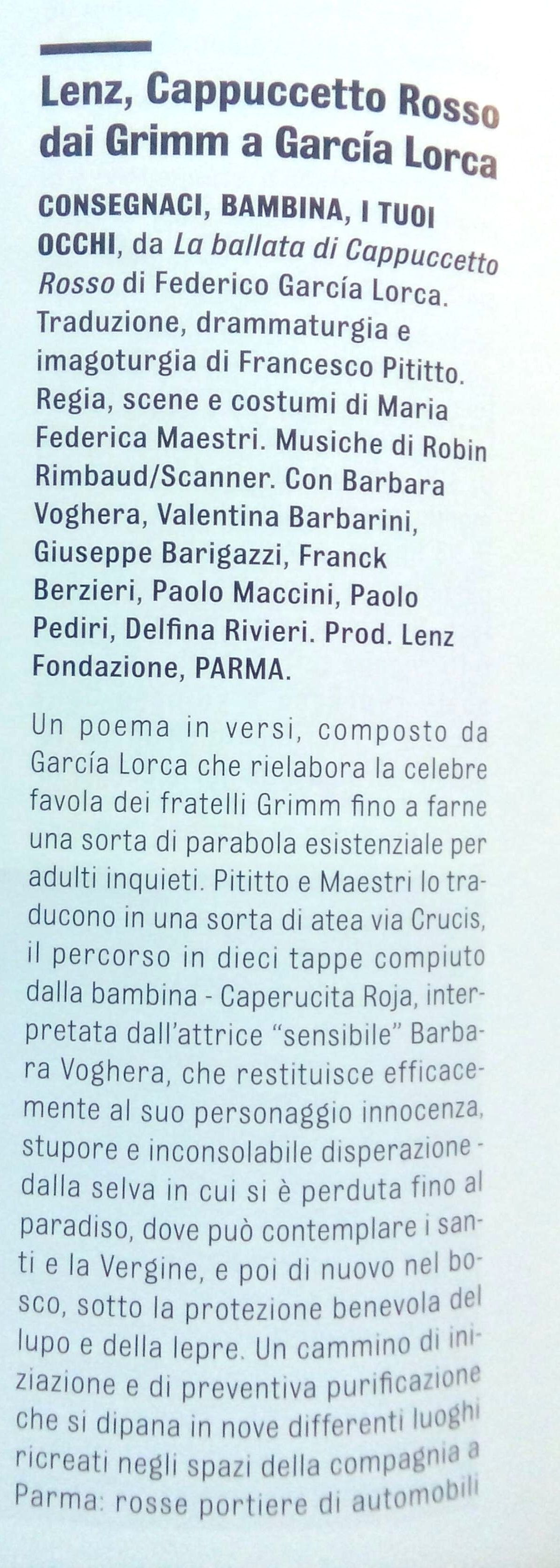
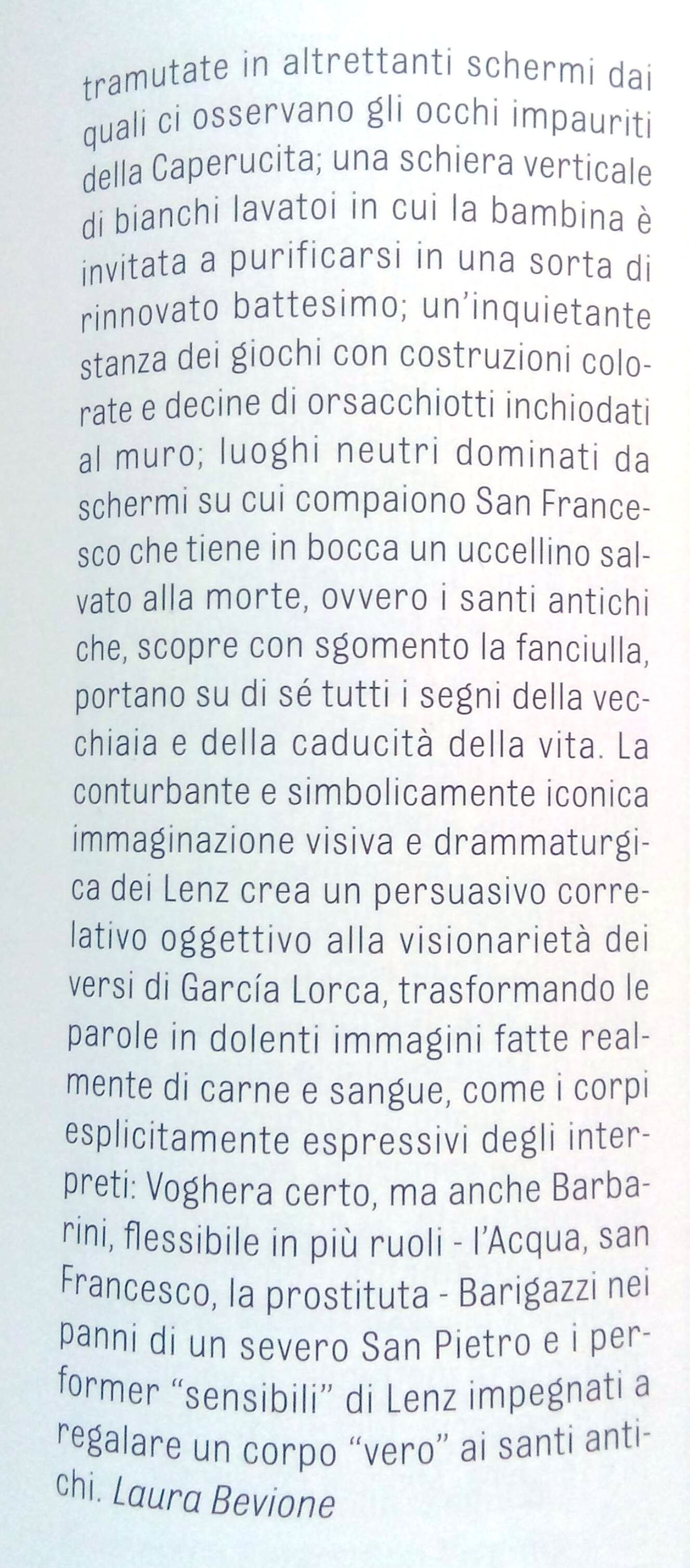
Laura Bevione, Hystrio, April 2017
There are toys, plastic flowers, apparitions through room escapes, crosses worn for a path of liberation that resembles a passion by the protagonist, small, helpless, with a voice as thick as honey, full of tremors and small certainties, with the vibrant and slightly hoarse warmth of those who know, despite the fear, where to go. Among the abandoned saints, in panini triumphs, with jaws in eternal movement, there is the always-eating-everything San Trippone (San Apapucio Pappagorgia in the original). And there are also pagan gods, eat Eros, which fatally wounds Caperucita. Just an old Madonna, played by Francesco, loving and ferocious wolf in the sadomasochistic role of a young slut, will be able to medicate it, precipitandola, still trembling with that fleeting beast that is love, in the forest of the initial nightmare. While the poet's words speak of dreams that must not die and entrust the custody of this champion of the imagination and of a threatened and vanished childhood to a hare and a wolf (Still), the imagination of the authors, more wickedly, The idea creeps into us that no consolation is possible in that treacherous forest, mortal, which is life. (more)
Massimo Marino, The Difference, 24 November 2008
![[cml_media_alt id='2254']girl[/cml_media_alt]](https://lenzfondazione.it/wp-content/uploads/2014/06/bambina.jpg)