







SONGS OF THE SOUL
After Black Factory the investigation into the dark path of Juan de la Cruz continues – 1542/1591 – on the “experimental knowledge of God”, as Giorgio Agamben defines it. The experience of nakedness and emptiness, of the darkness and the divine practiced by the actress of Fábrica develops in the mature theatrical time of songs of the soul, temporal space foreign to real time which, in a limited representation space, forces the actress to continuous mutations. The themes of maturity and becoming impose authority in the organization of the body's factory - as well as in that of the Universe, Calderón would write – e, especially in the organization of the soul contained within it, liberated in poetic-mystical songs that incessantly probe the invisible.
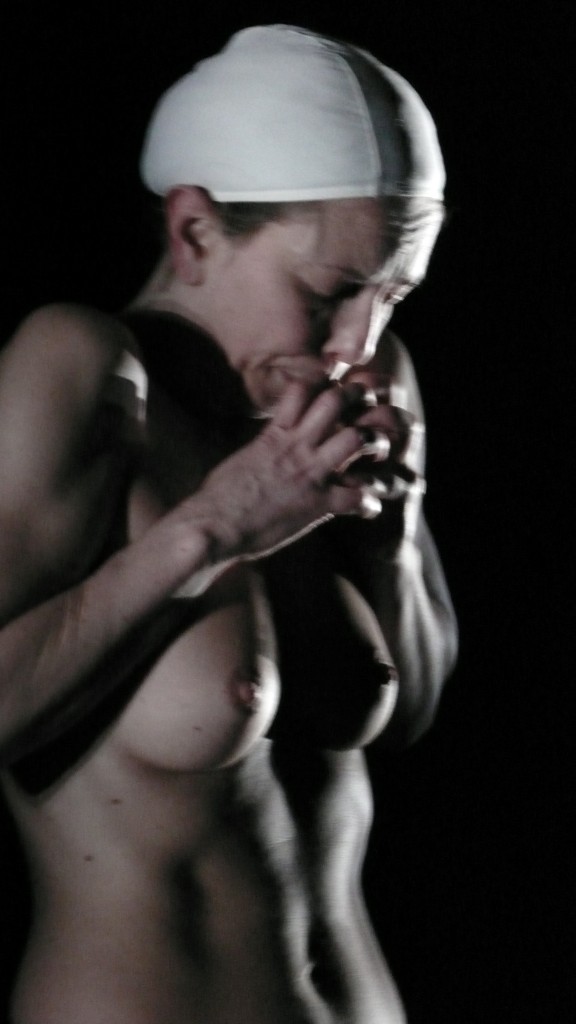
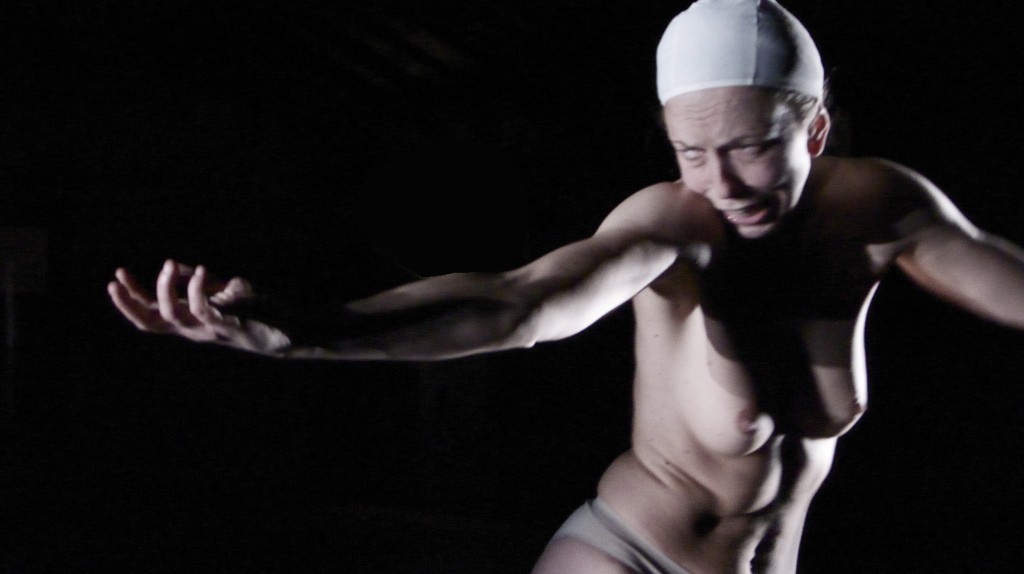
Coplas above an ecstasy of high contemplation.
Singing about the soul that rejoices in knowing God through faith.
Gloss to the divine.
I live without living in me,
and so I hope,
I die because I don't die.
In me I don't already live,
and without God I cannot live;
because without him and without me I remain,
this living, what it will be?
A thousand deaths will find me,
because my own life I hope,
dying because I don't die.
by Juan de La Cruz
Mise en parole and dramaturgy | Francesco Pititto
Regia | Francesco Pititto
Interpreter | Sandra Soncini
Production | Lenz Foundation
Duration |30 minutes
complete at the Farnese Theater in Parma, 2019
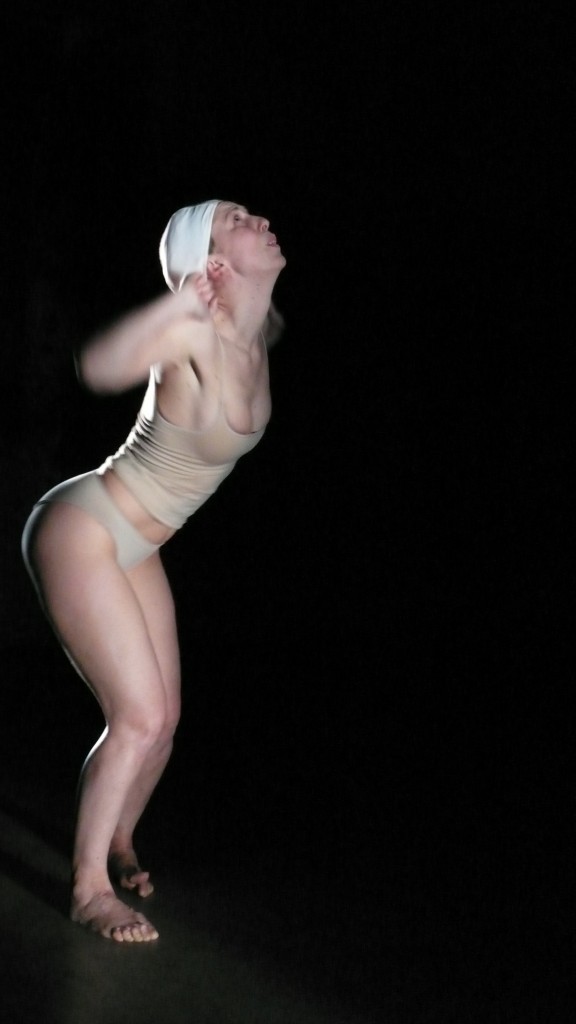
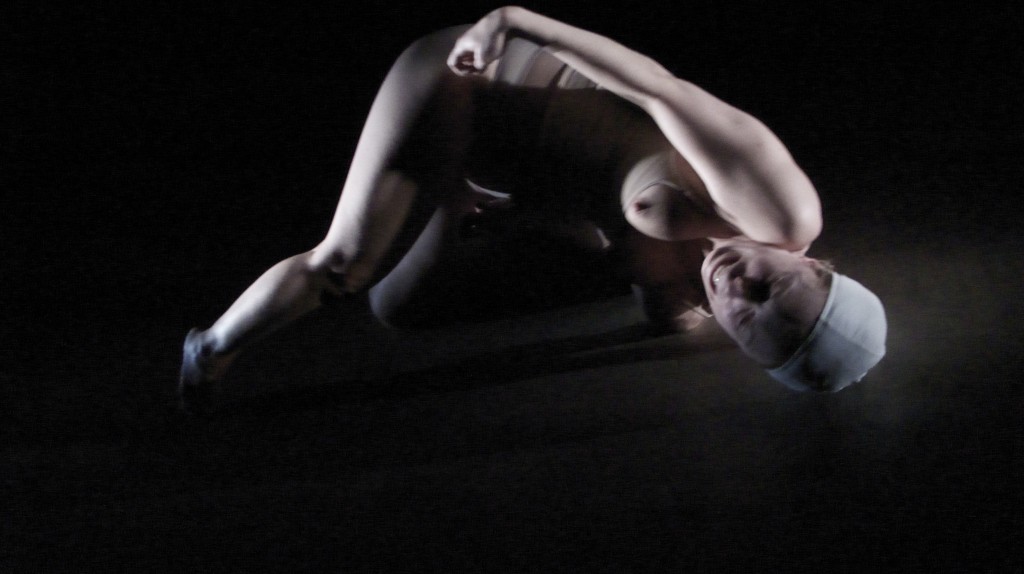
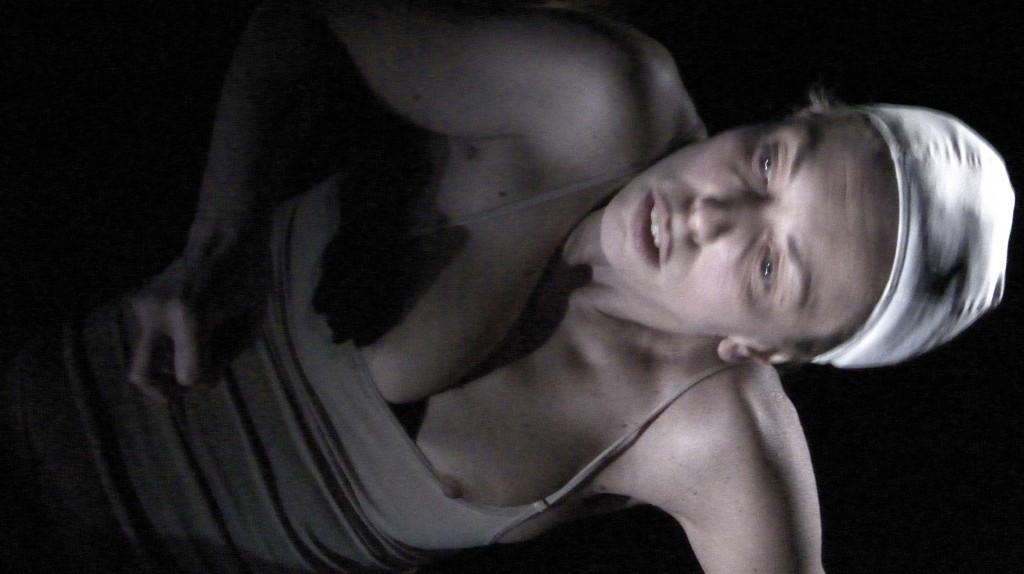
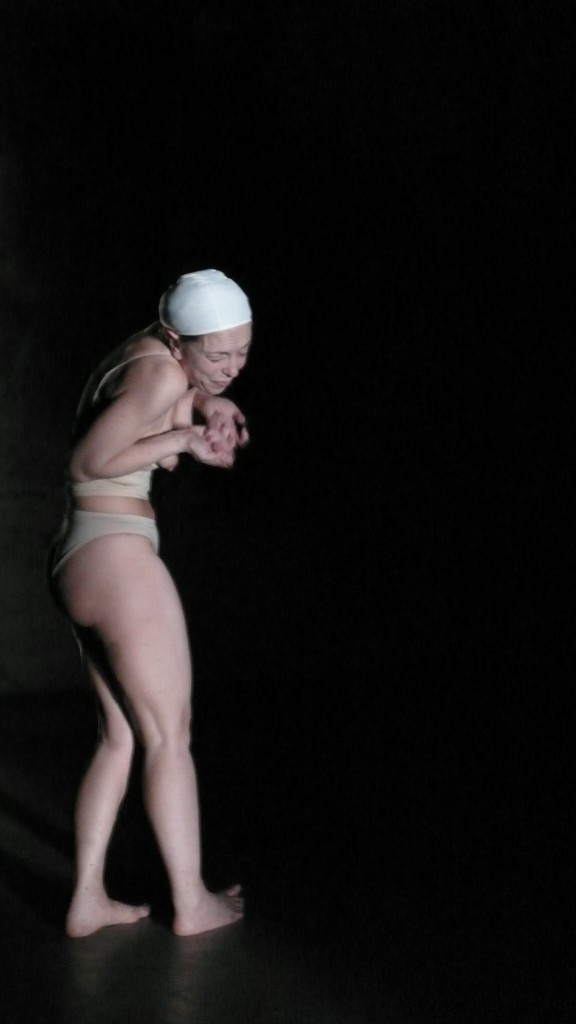
Body shaking and shattered, possessed by mystical fury. It is that of the extraordinary actress-performer Sandra Soncini, a choreographic body that, planted on the ground, it possesses the lightness and gravity of a tumultuous presence yearning for the divine. It moves in balance on the long white strip drawn on the floor and illuminated by a linear cut of light. She is first crouched in a figuration reminiscent of Bacon's pictorial forms, then he reveals himself by disarticulating his hands and limbs, getting up slowly, in spurts, moving in a frenetic dance with muscle spasms that betray that body tension towards ecstasy.
Giuseppe Distefano, Artribute, 26 April 2015
In the magnificent verses of Juan de La Cruz the attempt to reach God is expressed, a tension that mixes contemplative and deeply real needs in an ascetic anxiety that is charged with sensuality.
Valeria Ottolenghi, Journal of Parma, 4 December 2017