






BRUNO LONGHI
Lenz resumes his research on dramaturgy inspired by the themes of the Holocaust and the Resistence presenting – on the occasion of the celebrations for the 70th anniversary of the Liberation Struggle – a new staging of Bruno Longhi – work dedicated to a key figure of the anti-fascist resistance movement. Tortured and assassinated by the SS stationed in Parma, his body was never found. The project is carried out in collaboration withHistorical Institute of Resistance and Contemporary Age of Parma.
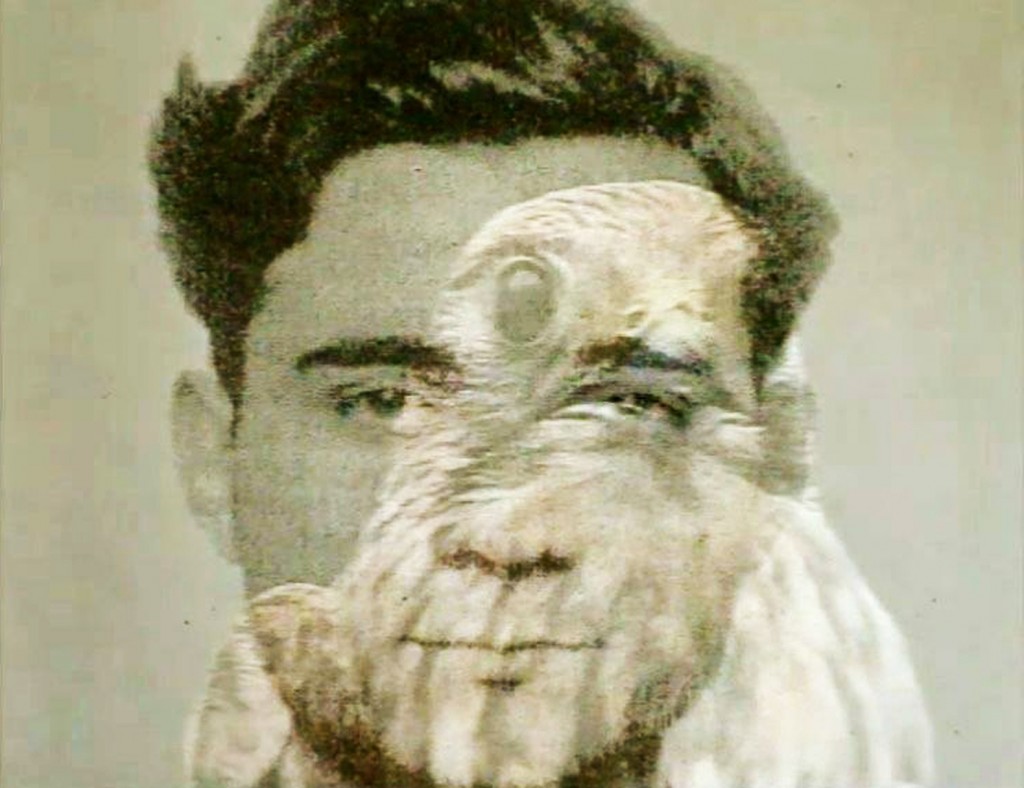
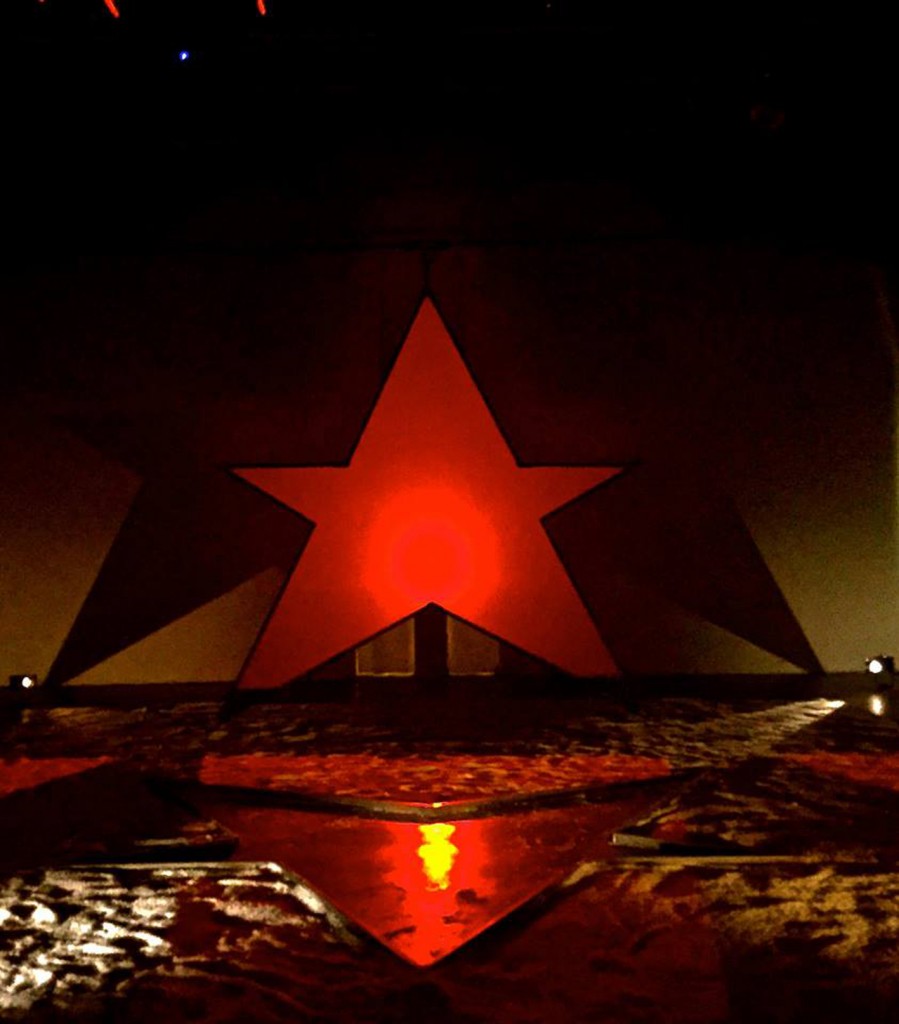
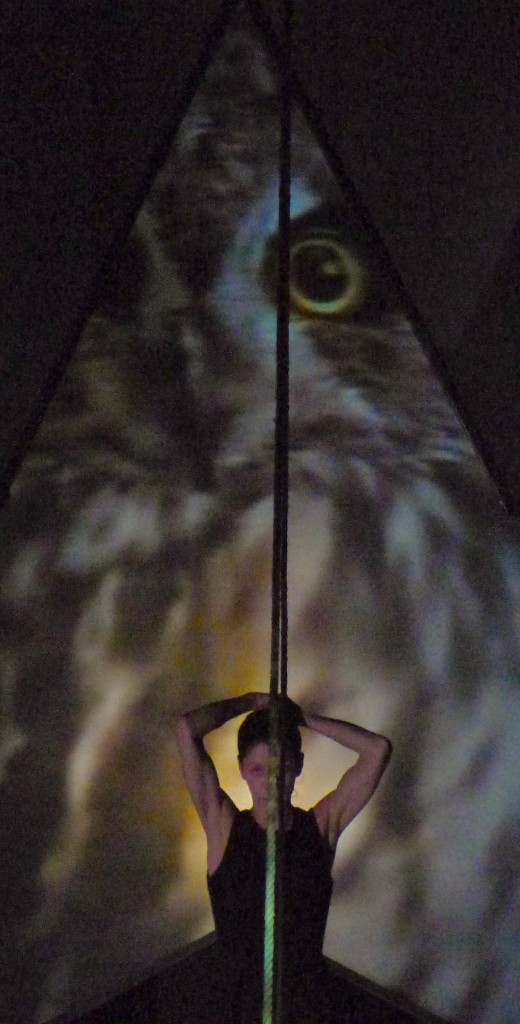
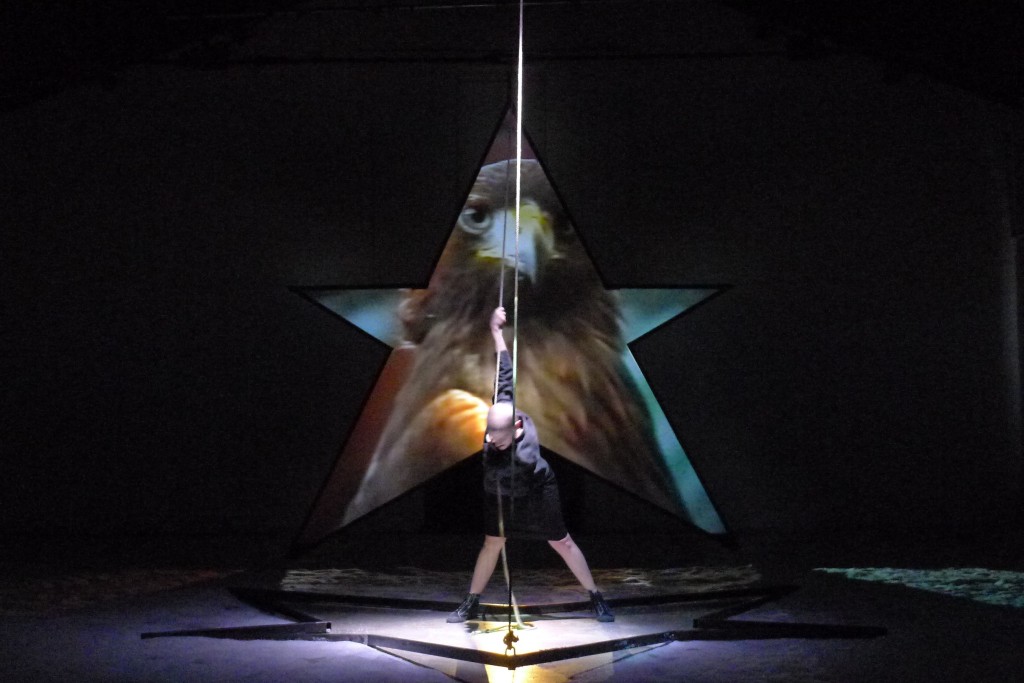
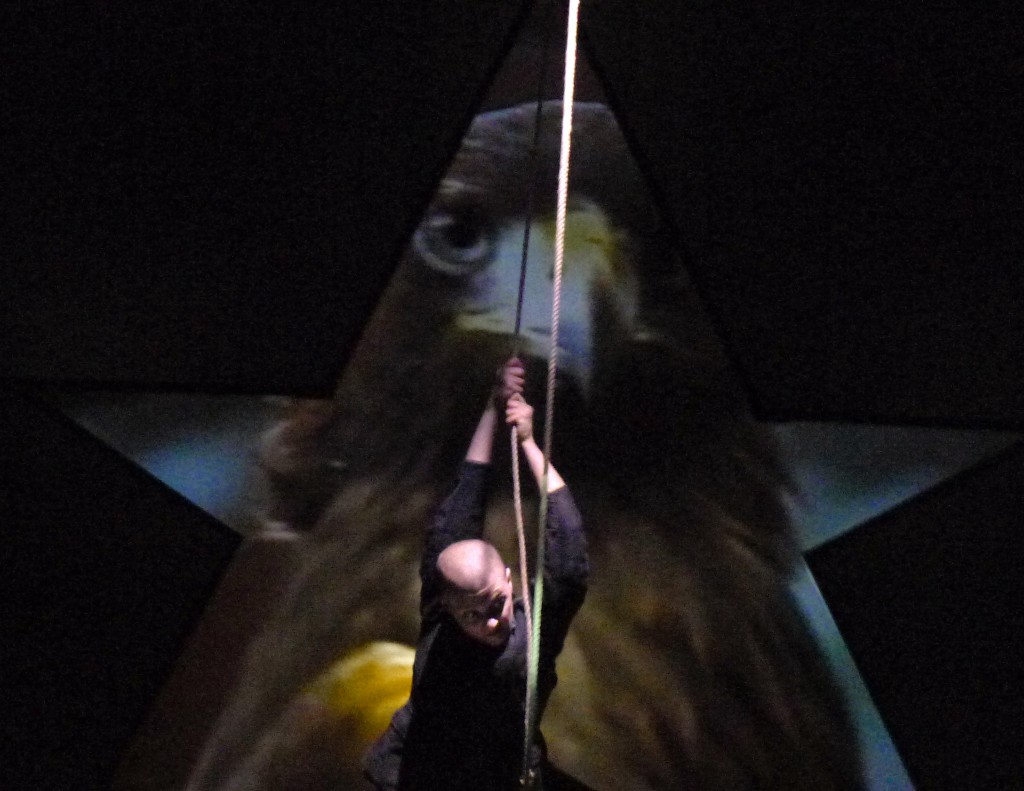
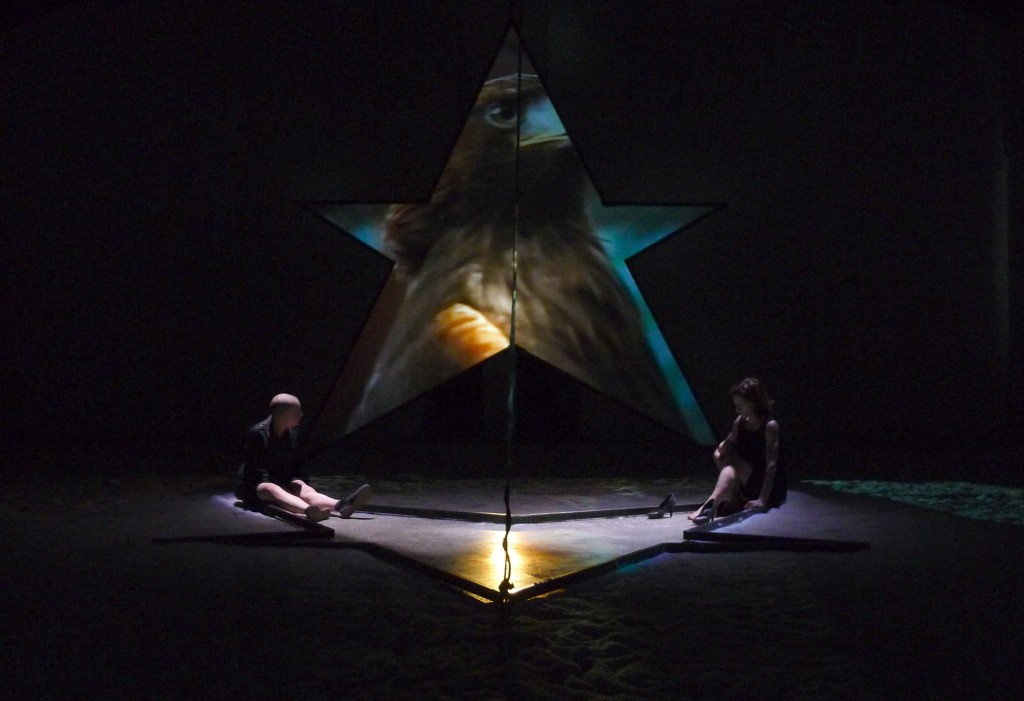
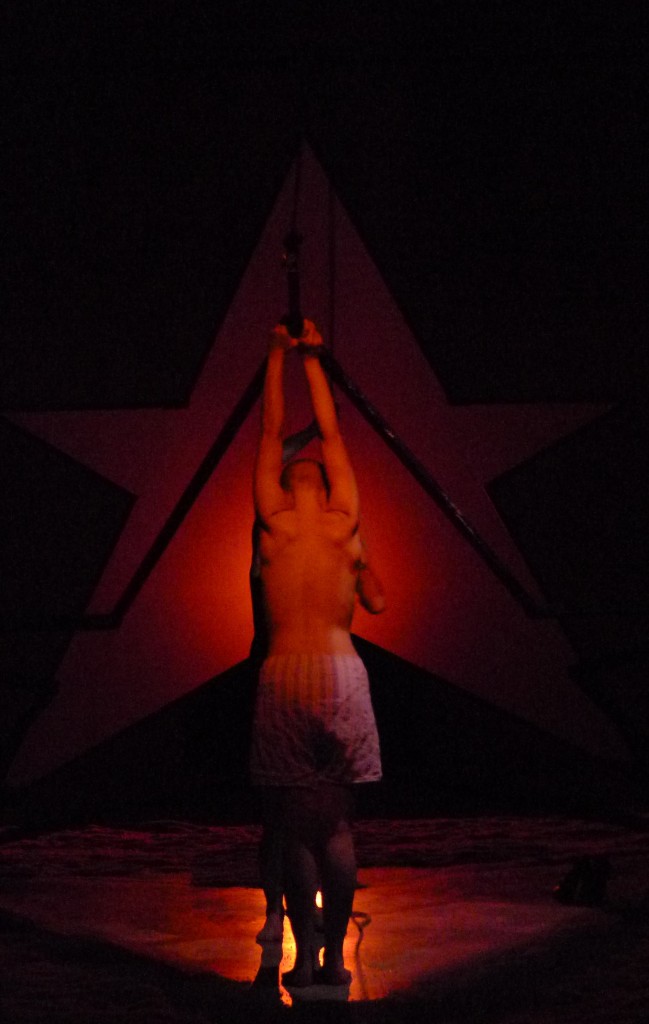
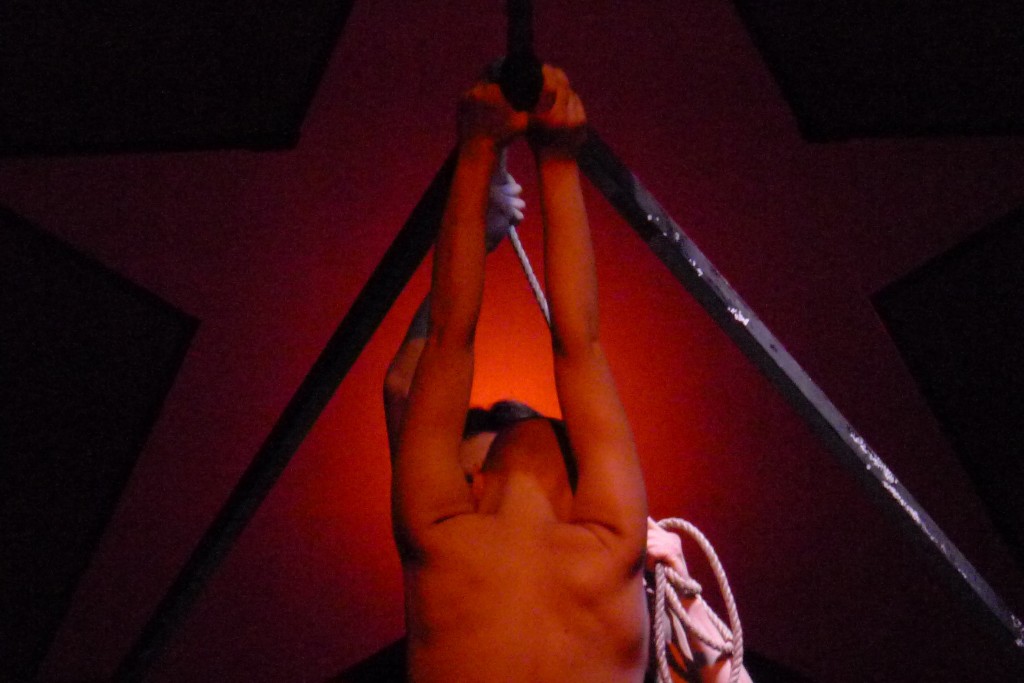
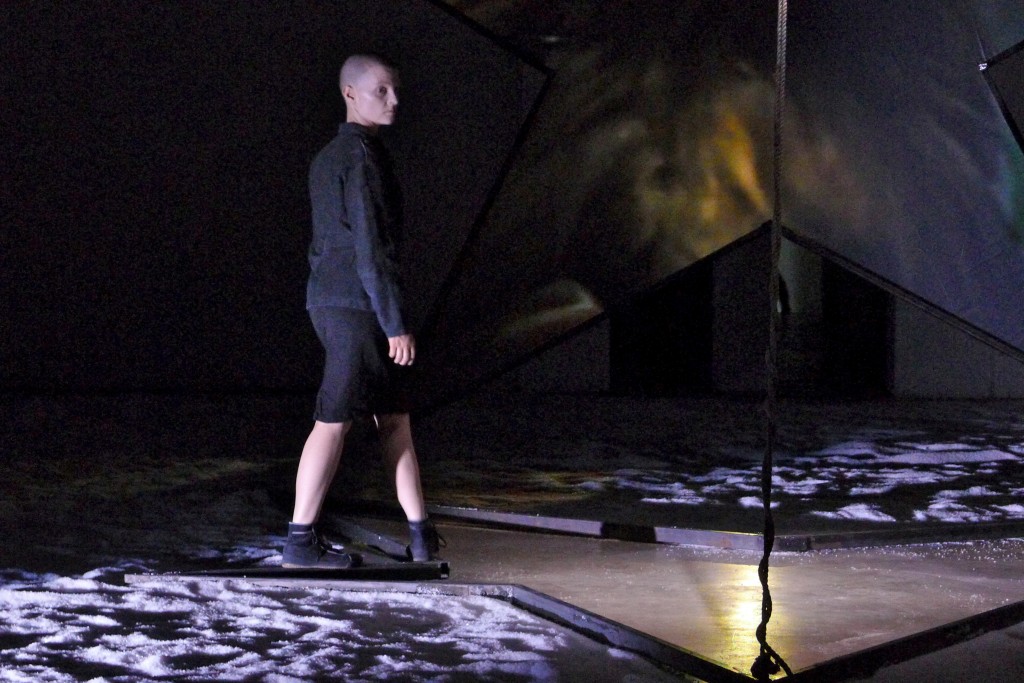
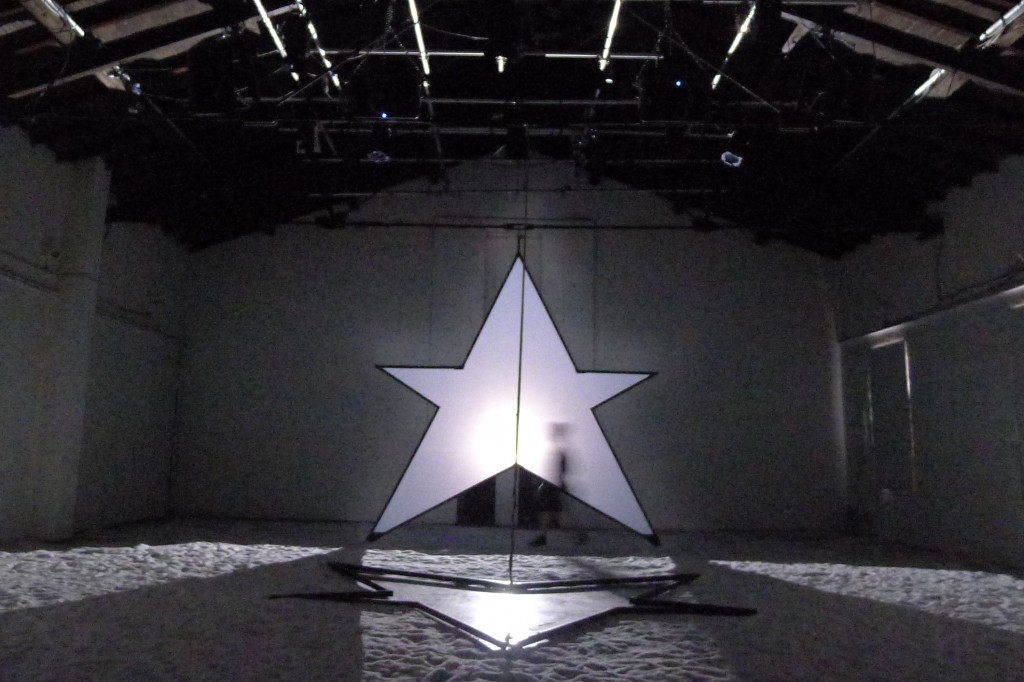
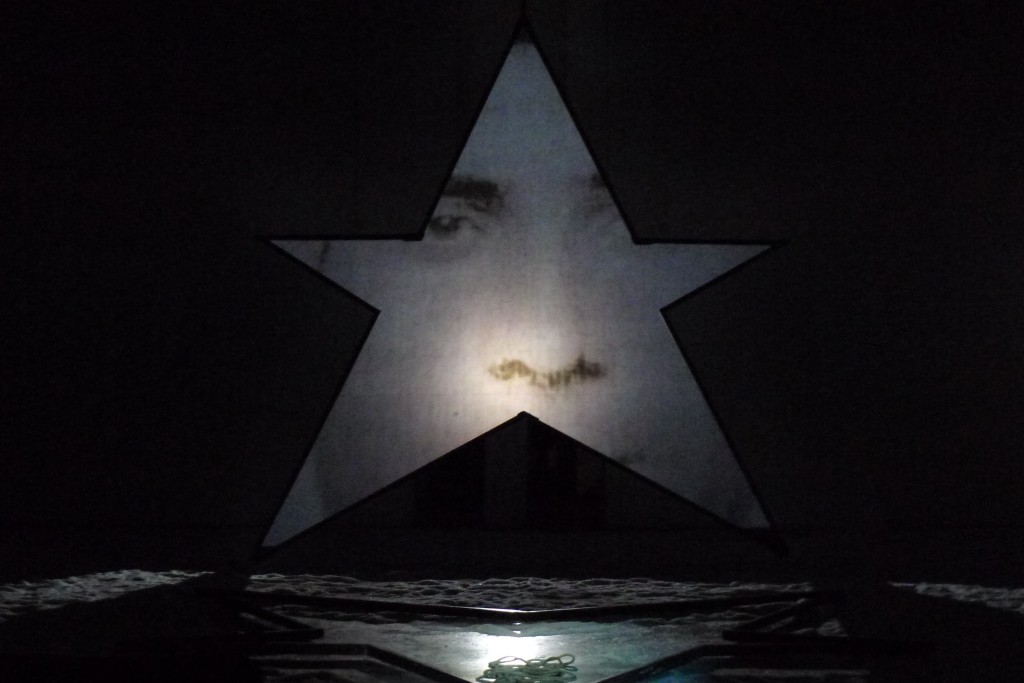
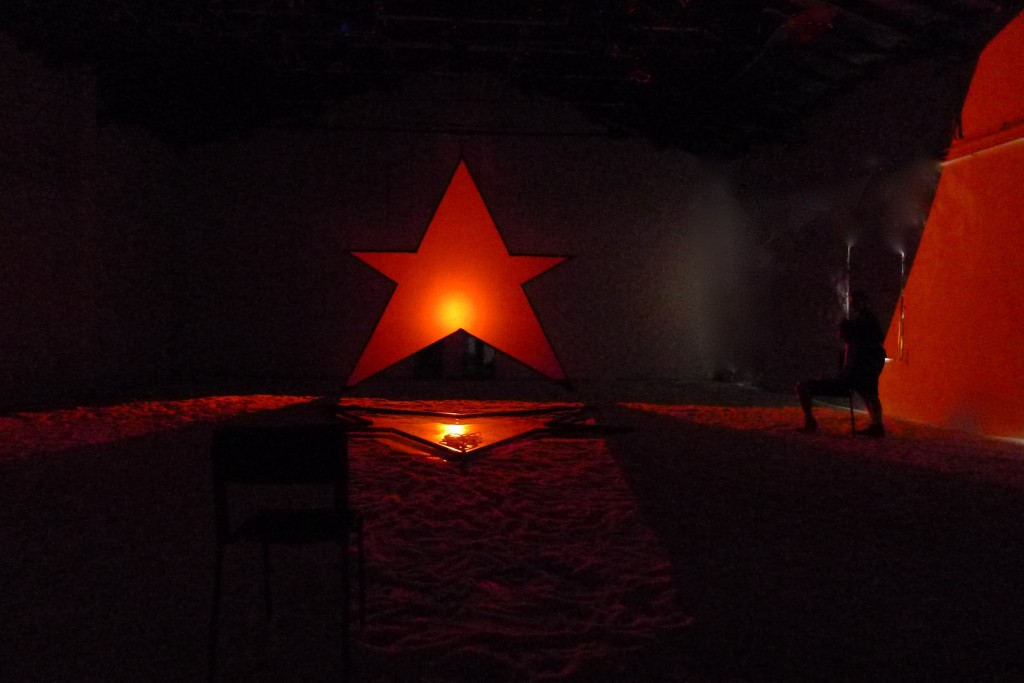
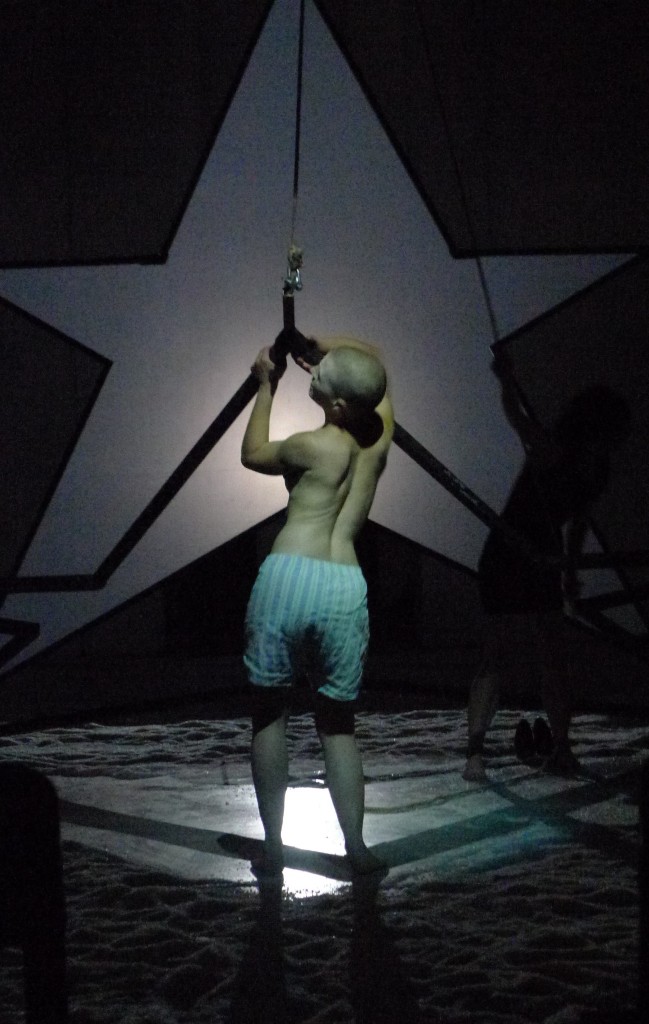
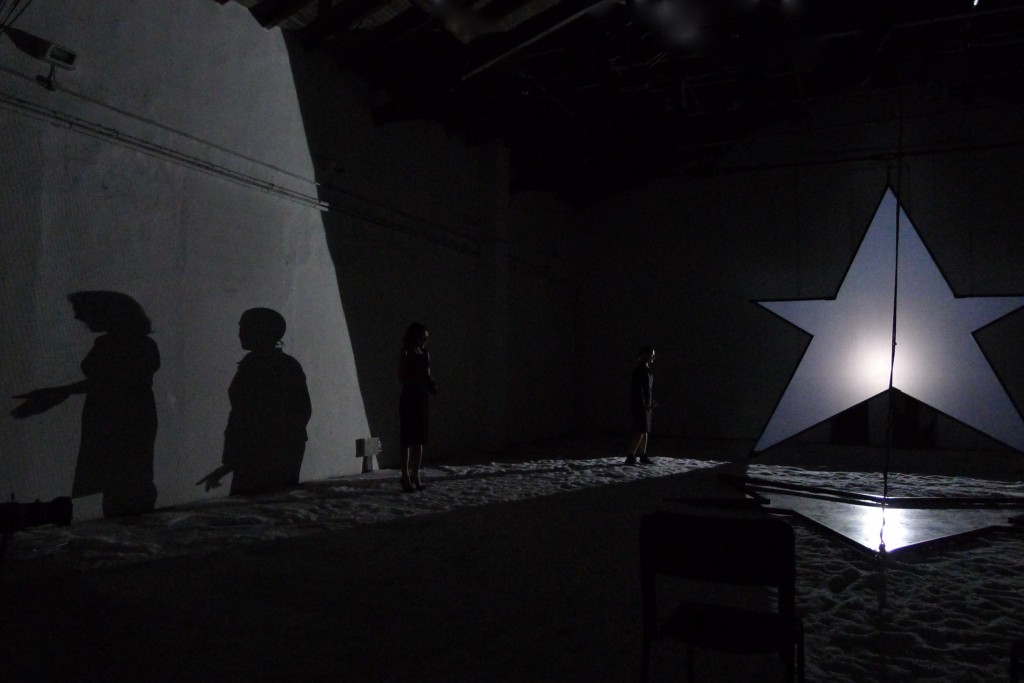
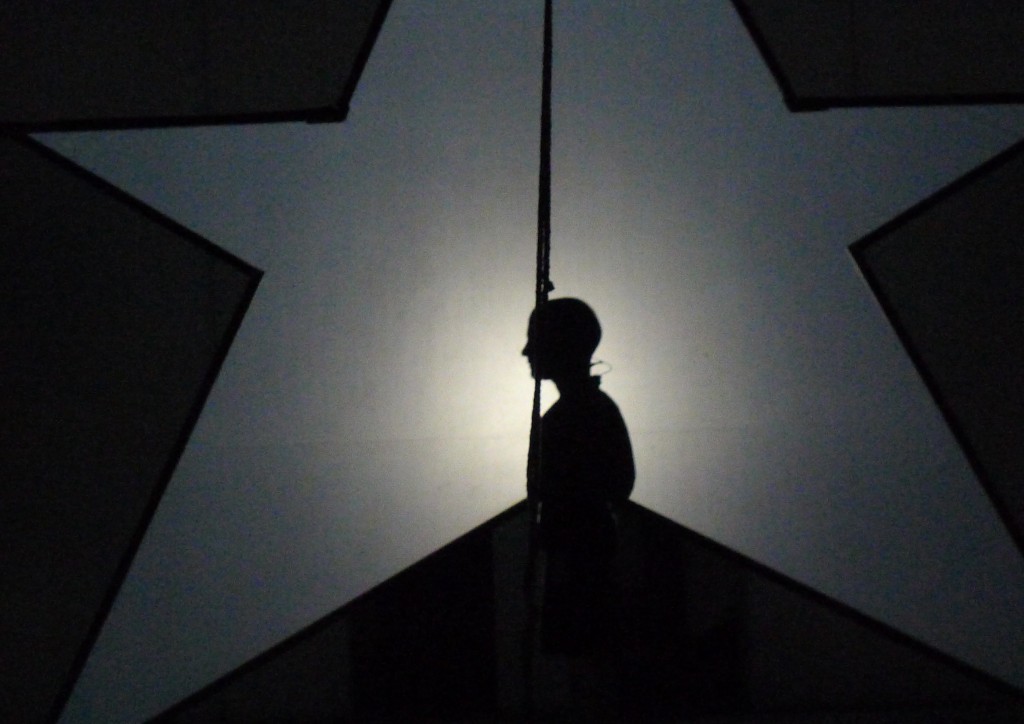
Bruno Longhi is a key figure in the anti -fascist resistance movement in Parma. Tortured and assassinated by the SS stationed in Parma, His body, searched unnecessarily by his brother Giovanni, From Parma to Bolzano, it has never been found. With the formal and analytical rigor that characterizes each phase of the creative process of Lenz, the research on dramaturgy inspired by the themes of the Holocaust and the Resistance continues with a new staging of Bruno Longhi, It operates with original text by Francesco Pititto. Written in 1991, The text was born from the testimonies of the family members – The sisters Maria and Giacomina, and of the companions of Bruno Longhi, Certainly one of the most representative personalities of the Parmigian resistance. From the dense story of the sisters there are multiple paintings of life by Bruno Longhi, of his "European" personality, From interest to literature, to music, at the cinema, to the study of languages, including German, "Language of the enemy". The scenic creation wants to transfer it, In a contemporary vision, all intellectual vitality and human sensitivity. The documentation was collected in collaboration with the Historical Institute of the Resistance of Parma. A piece of Italian history that makes echoes of bodies installs immigrant as well as the theater and reflects in a present that struggles to remember only until a few decades ago. The time of history appears more distant than it really is.
1945-2015, just seven decades for a tragedy identical to that of a few millennia ago: Antigone and the never-ending battle between power and nature, Between justice of men and divine justice. Complementary to the theatrical work, reading for schools entitled Viale San Michele, which contains various texts relating to the activity of the Nazi Gestapo in the premises located in the street indicated by the title. A visual documentation, collected in the same premises, consisting of graffiti present in the detention rooms and created by numerous prisoners, constitutes part of the performance. Almost twenty-five years after the first staging, on the occasion of the seventieth anniversary of the Liberation, Lenz Fondazione is committed to a restaging of the work, translating Bruno Longhi's story through images and sounds.
AUTHOR'S NOTES (1991)
The text was written without any metric organization of the verse but respecting the oral memory collected. The choice of words, their color and their movement within the versification, in proceeding towards the definition of the historical meaning, reflects the way, the form of the story of the Longhi sisters. The dialectics, the construction of metaphors, the affectionately rhetorical slant tends to restore the narrative pathos and emotional rhythm of the people involved. Their long-distance love, resentment, the hope of memory.
NOTES FROM THE AUTHOR OF IMAGOTURGY (2005)
Images of my time, people of my time – Winter Solstice -, the room that resonates memory and present, the long-sighted birds of prey, the owl Oedipus who sees from within, female figures waiting for growing light, resistence, patience suspended between here and then, between the here and now, Always.
RESISTANCE PROJECT ★ BRUNO LONGHI
Memory and tragedy of a family. The Longhi brothers and sisters. FROM PARMA TO BOLZANO, FROM BOLZANO TO DACHAU, DA DACHAU A ÜBERLINGEN. TWO BROTHERS, THE YOUNGEST TO DIE OF STRUGGLE IN ÜBERLINGEN, THE OLDEST TORTURED AND KILLED BY THE GESTAPO IN PARMA. THE BODY WAS NEVER FOUND. JOHN SEARCHED FOR IT IN VAIN, THE THIRD BROTHER.
The project (2015-2017) wants to reconstruct the history of the Longhi family through the story, registered in 1991, of the sisters of the two dead brothers. The first, Luigi, died of hardship in the Überlingen camp on Lake Constance and the second, Bruno, killed by torture inflicted by the Gestapo. Luigi Longhi born in Parma on March 8th 1925 he was arrested and deported to Bolzano, after passing from the Fossoli camp to Carpi in the province of Modena, and here he stopped for a period in the concentration camp on Via Resia in Gries. Transferred by train to Dachau he died on 7 March 1945 a Überlingen a soli 19 years, the day before his birthday. Since July 1944 the Fossoli concentration camp was abandoned and the deportations continued towards Bolzano, one of the four existing camps in Italy. Designed for 1500 prisoners reached the capacity of well 4000 attendance. The camp was managed by the SS of Verona and reported for its terrible living conditions. His brother Giovanni left Parma by bicycle to look for him in Bolzano and never saw him alive again. His presence in the Polizeiliches Durchgangslager – Bozen had been noticed by other Parma partisans. The events of Luigi and Bruno come to life again thanks to the painful testimony of the sisters Giacomina and Maria collected in 1991 together with that of other companions of his brother Bruno. Bruno Longhi born in Parma on 7 August 1909, son of Cyrus, accounting clerk at the Balestrieri company in Parma, already in 1930 he joined the anti-fascist struggle. In the 1932 he was reported to the Special Court for subversive activity. He was acquitted by amnesty, on the tenth anniversary of the fascist revolution. Brave, Reserved, very intelligent, He self-taught himself several languages including German and Spanish. In the underground movement he was considered one of the most important leaders of those years. After the 1940 he contributed to developing confidential relationships with men representative of various democratic tendencies. In the 1943 he became responsible for the press and propaganda in Parma. In the same year he founded “La Riscossa”, the only local voice of opposition and clandestine struggle. Even in the youth field, Longhi's influence was decisive: he contributed to the political and organizational formation of the Youth Front in Parma, occurred towards the end of 1943. In the spring of 1944 he managed to organize a clandestine printing press in Strada dei Farnese, publishing “L’Unità” and other propaganda material. For his participation in the Villa Braga group, in February 1945 was captured, tortured and killed. To hide the assassination, the fascists then made his body disappear.
Original text and imagery | Francesco Pititto
Direction and installation | Maria Federica Masters
Musica | Andrew Azzali
Interpreters | Valentina Barbarini | Monica Bianchi
Production | Lenz Foundation
In collaboration with the Historical Institute of the Resistance and the Contemporary Age of Parma
Project for the celebrations for the 70th anniversary of the Liberation Struggle
![[cml_media_alt id='4859']BRUNO LONGHI BR[/cml_media_alt]](https://lenzfondazione.it/wp-content/uploads/2015/02/BRUNO-LONGHI-BR-300x212.jpg)