






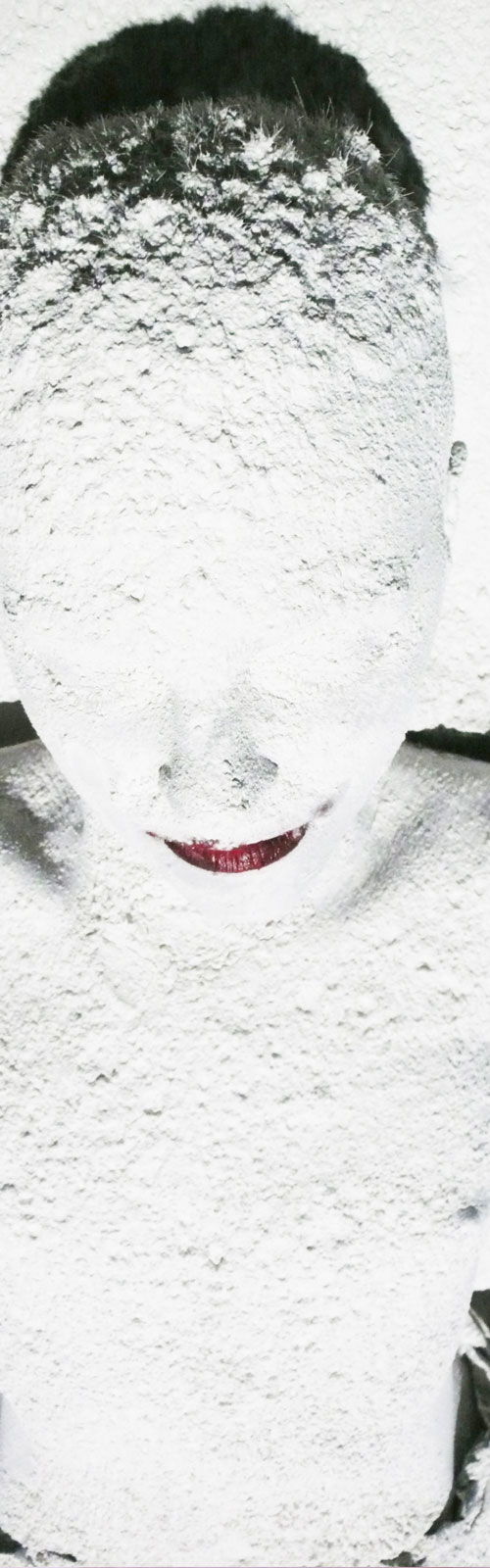
HIGH SURVEILLANCE
In itself the plot of Haute Surveillance is very thin: the gratuitous murder committed in a cell by a young prisoner eager to make himself worthy, emulating it, of your idol, a fellow prisoner, and from the latter, abandoned and ignored. So, an act of love (criminal) frustrated. If the weave is thin, The characters and the relationships between them are very dense. Characters characterized by various bands, from various personality levels. The deepest layers – the core, the center of gravity – are so elusive that at times one would almost be tempted to think that they don't exist, if he did not perceive himself, below the surface, a dark force that pervades everything and has distant origins. Perhaps the nucleus is "only" the ancient part, brain animal. (Letter to Roger Blin: “I insist on actresses: they must transform into beasts. We need to help them.").
The scapegoat, the sacrificial animal, the martyr lamb is the leitmotif of the positive religion embodied by "The Constant Prince" by Calderón de la Barca, last of the three operas staged by Lenz Rifrazioni as part of the Caldron trilogy.
A sort of reversed dramaturgy identity, than for a further coincidence, manifests itself in the prison place and ends with the death-martyrdom of the innocent with his feet chained.
In the caption Genet underlines: “The entire one-act will take place almost in a dreamlike aura.” Another link to chain the reading of Genetti's text to the dreamlike universe of "Life is a dream", to that marginal dimension in which psychic suffering transforms into violence and cruelty.
If the nucleus is elusive, the outer bands reveal great instability, enormous mobility. Individual attitudes appear to be nothing more than responses to external stimuli, almost as if the individual exhausted himself in a mirror function. But there is that indefinable dark force. In fiction, in the ceremony (experienced as reality or capable of becoming reality) everything mixes: different times and places, events and desires, visible and invisible, word and object designated by the word.
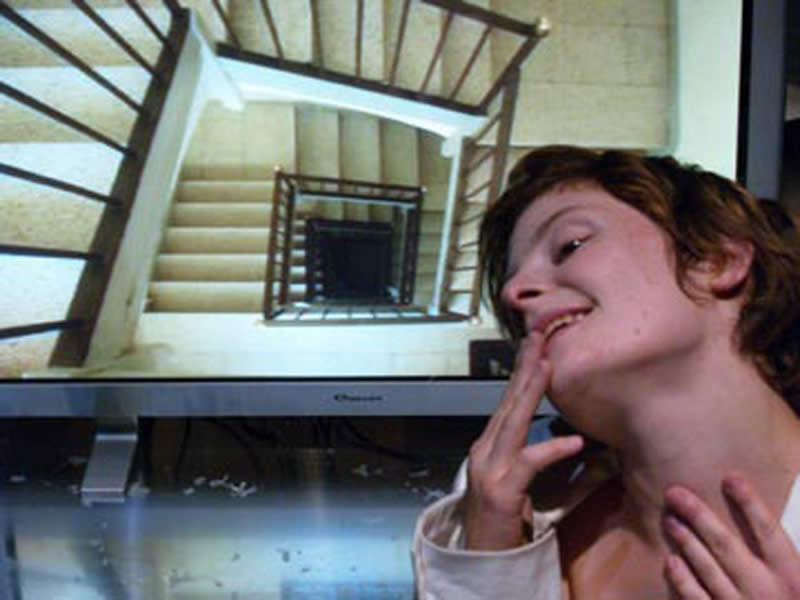
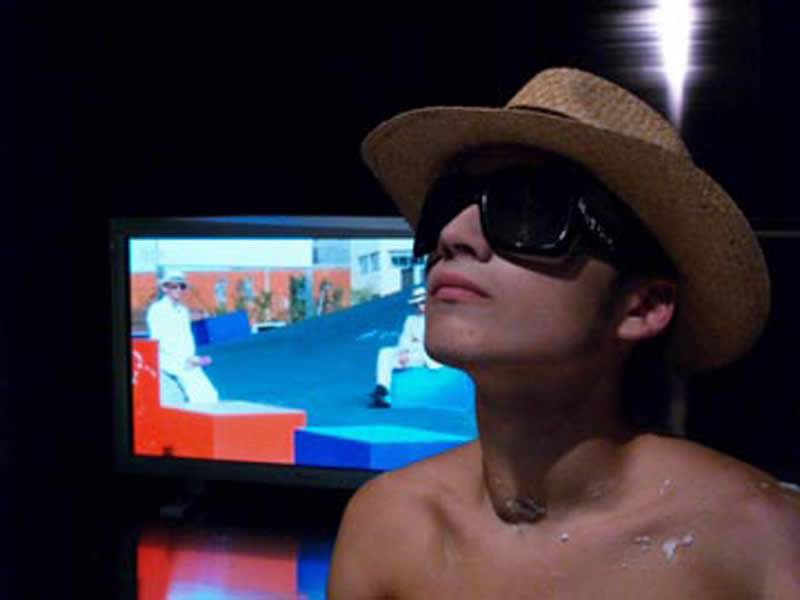
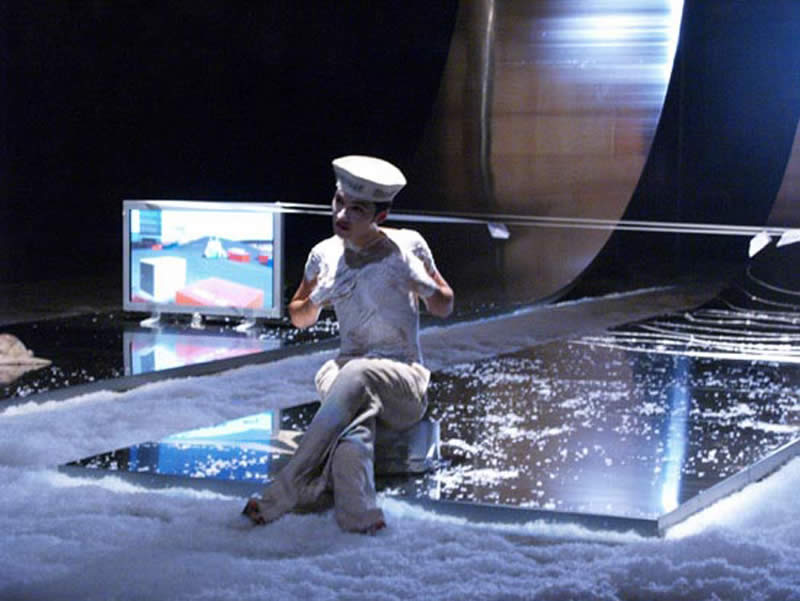
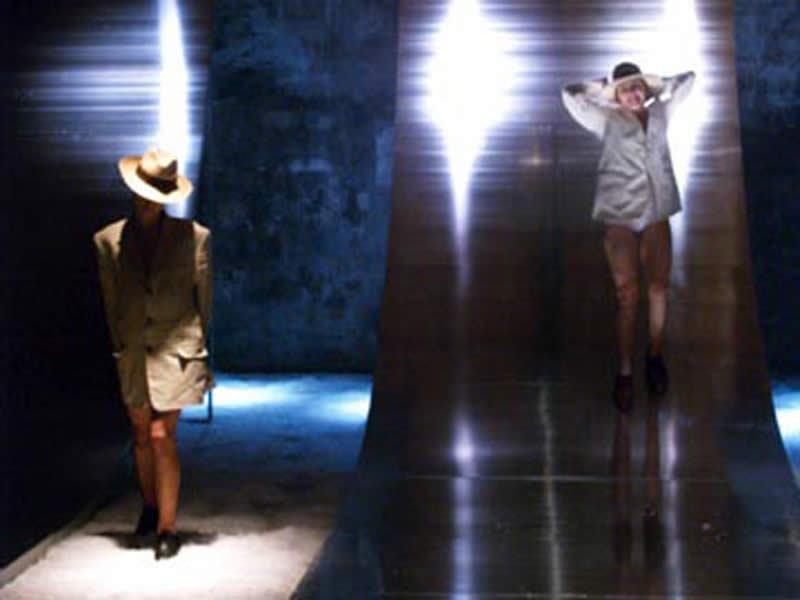
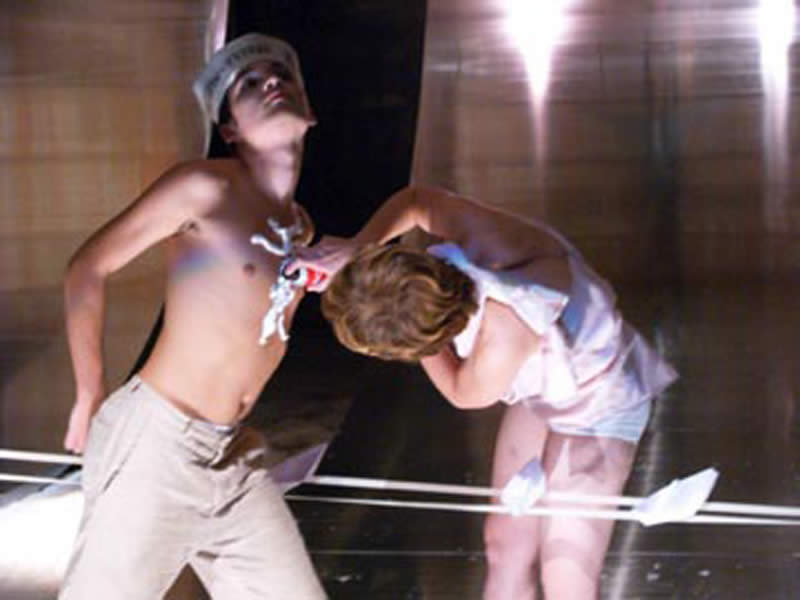
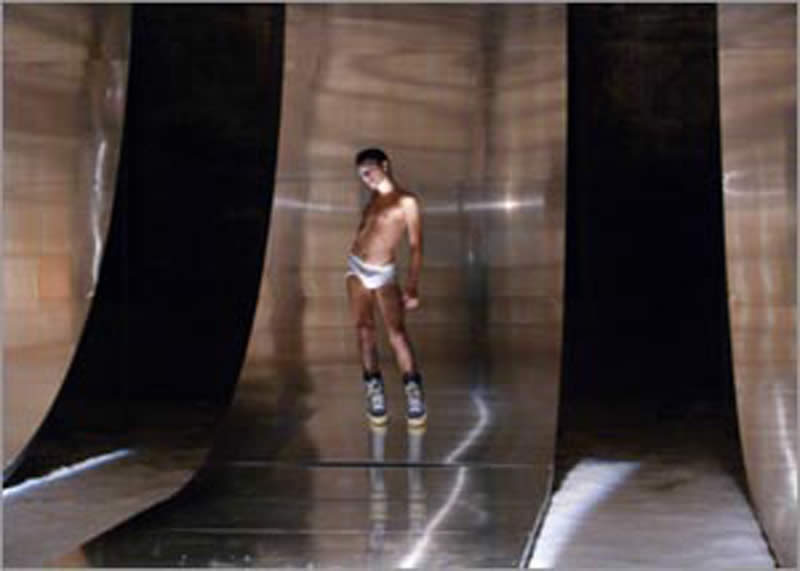
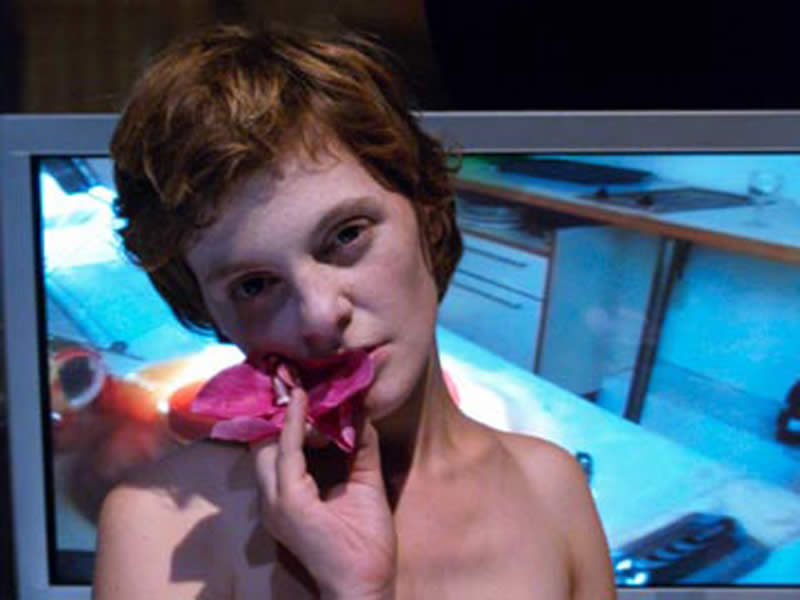
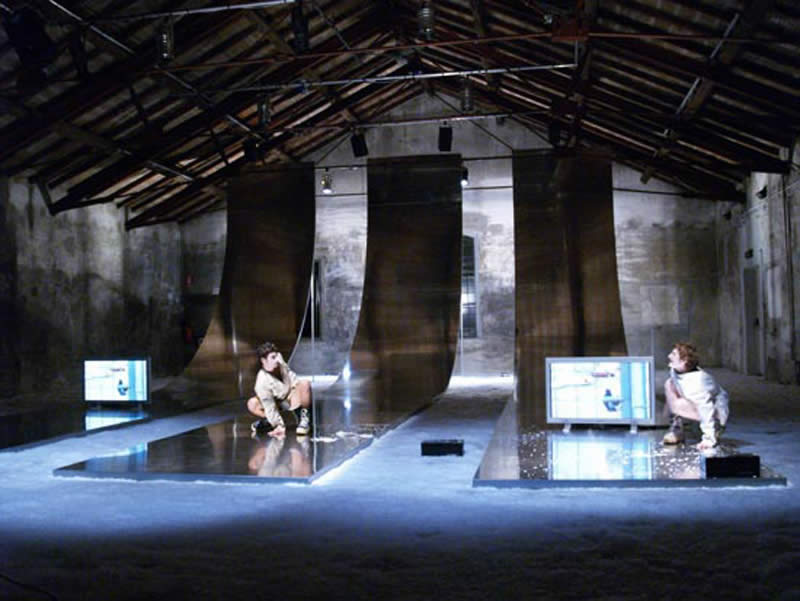
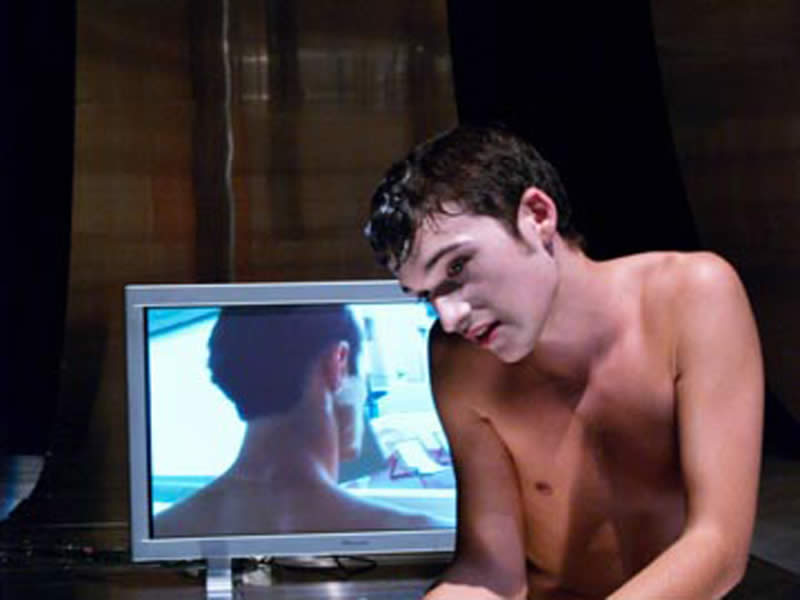
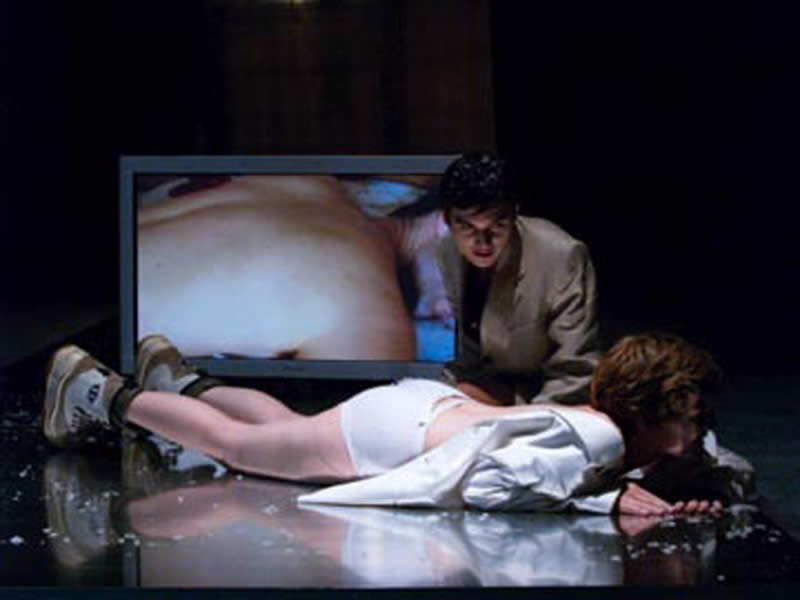
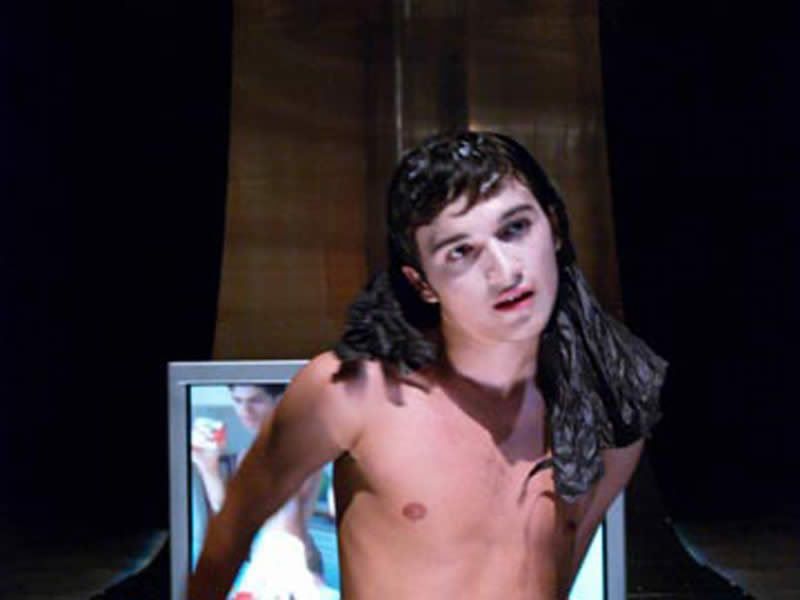
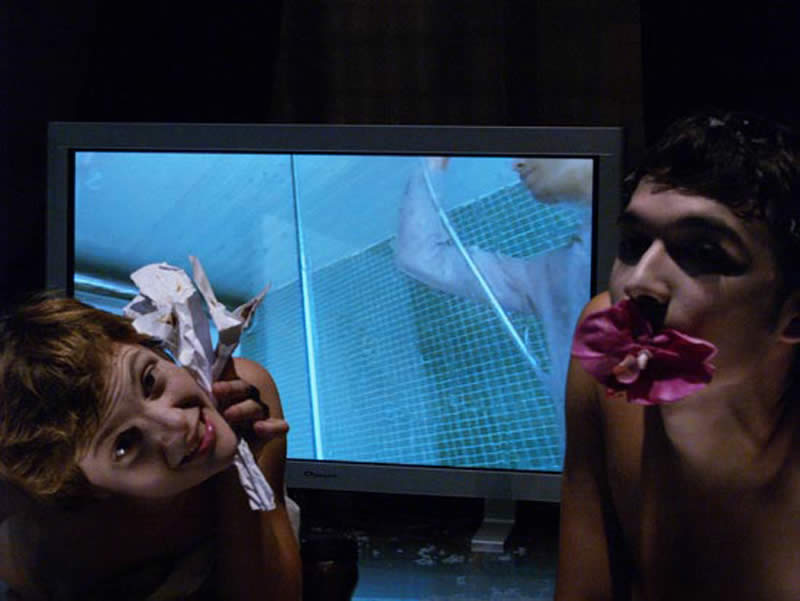

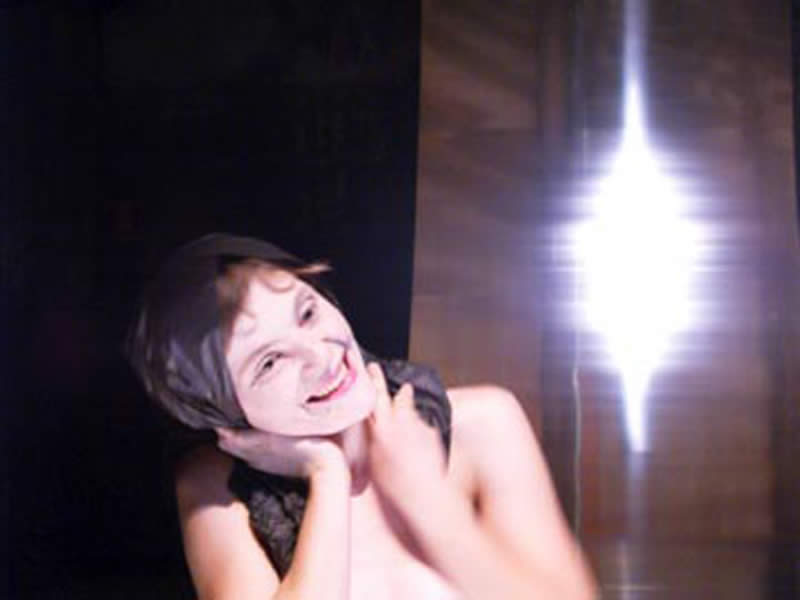
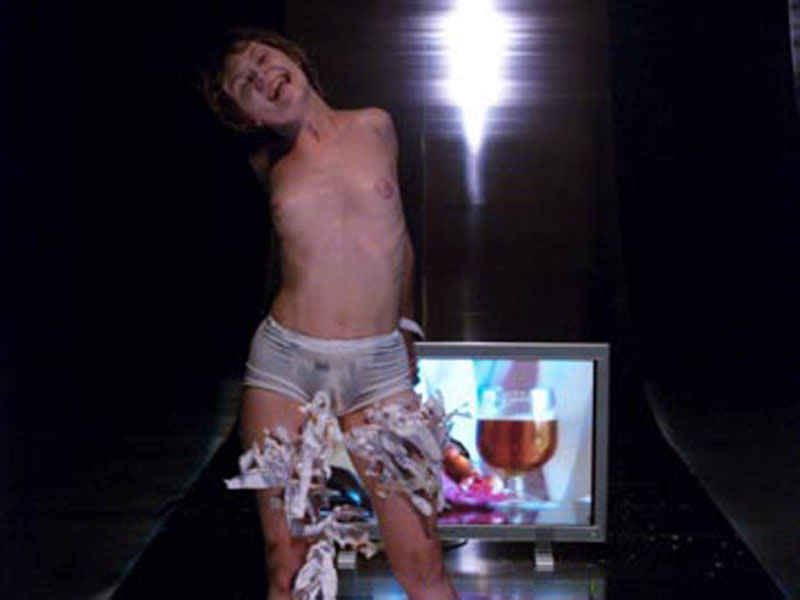
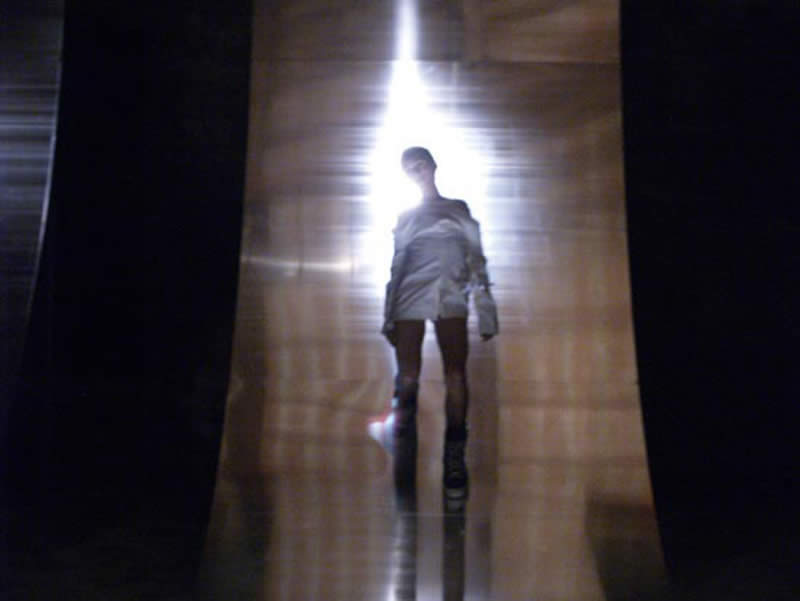
BAROQUE BODY.
“High surveillance”. Gives Calderón to Genet, dramaturgy and melancholia against the grain.
“Toute l’action déroulera comme dans un rêve.” The whole action will take place as if in a dream – indicated Genet – inside the cell of a fortress. Not a single Segismundo, or Cipriano or Don Fernando prisoners but three, of different ages and histories, capable of repeated metamorphoses in psychological identity and role; capable of continuous shifts aimed at abolishing the theatrical character to become metaphors and signs as far as possible from their primary meaning. The signs of the stars, the search for a god, the martyrdom and asceticism of Caldronian figures are registers present in this factory of perdition, of bestiality and tragedy. “I tried every way to avoid becoming a murderer. I tried to be a dog, a cat, a horse, a tiger, a table, a stone! I tried, Me too, to be a rose!” dice Green-Eyes, the main character of the play. But it is in the commission of the criminal act, while awaiting the mortal punishment that man can represent himself as the Chief of Chiefs, the King of Kings or the Christ of all convicts.
"Yeux-Verts takes orders from the Afterlife!” And every Word becomes swallowed up, ruminated and vomited up to be eaten again, the flesh then becomes bread and the blood wine for a sacred dramaturgy. “ – the highest modern drama was expressed over the course of two thousand years and every day in the sacrifice of the mass. The initial point disappears under the profusion of ornaments and symbols that still shock us. Under the most familiar appearances – a crust of bread – a god is devoured” – so wrote Genet as well, some time before, Federico García Lorca wrote: “Through Calderón's theatre... we arrive at great drama, to the great drama that is performed a thousand times every day, to the best theatrical tragedy that exists in the world: I am referring to the Holy Sacrifice of the mass.”
E, in “High surveillance”, not only does the physical body become a metamorphosis of an ecstatic and aesthetic transfiguration but also the Word itself becomes flesh and vision. “The beautiful sentences, I should have learned them by heart. This is learned. But I am a beautiful phrase: this cannot be learned.” And, just as the protagonist's body becomes text, the spoken word makes the invisible visible in the form of the tattoo of a woman's face shown by Yeux-Verts – turned from behind, in such a way that he never shows it to the viewer – to his cellmate Maurice. The dream, memory, the sudden images – “Pas le sang, lilacs.” – they insinuate themselves between the folds of a text that becomes, layer by layer, envelope of eroticism, morality, ferocity, search for sacrifice and beauty in its being elevated to the altarpiece of a celestial and terrifying scene.
April 2006
Francesco Pititto
HIGH SURVEILLANCE
Da Haute Surveillance by Jean Genet
translation | playwriting | imagoturgy || Francesco Pititto
regia || Maria Federica Masters
scene | costumes | Visual Elements || Maria Federica Masters
musica || Andrew Azzali
interpreters || Valentina Barbarini, Savior Christmas
movie performers ||Matthew Ramponi | Alessandro Sciarroni
light design || Rocco Giansante
production || Lenz Refractions
first || Nature Gods Theater Festival, Parma, 6 October 2006
duration || 80′