







CHAOS
A picture
is not strong
because she is brutal
or fantastic
but because
the association of ideas
is far away
distant
and just
J.L.. Godard
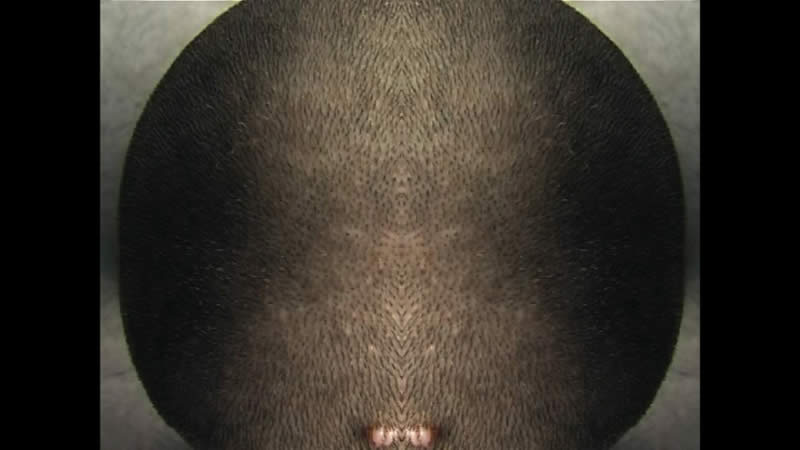
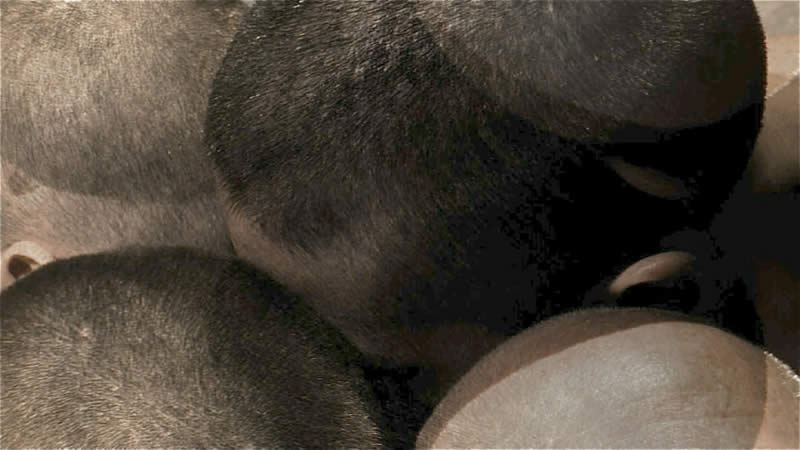
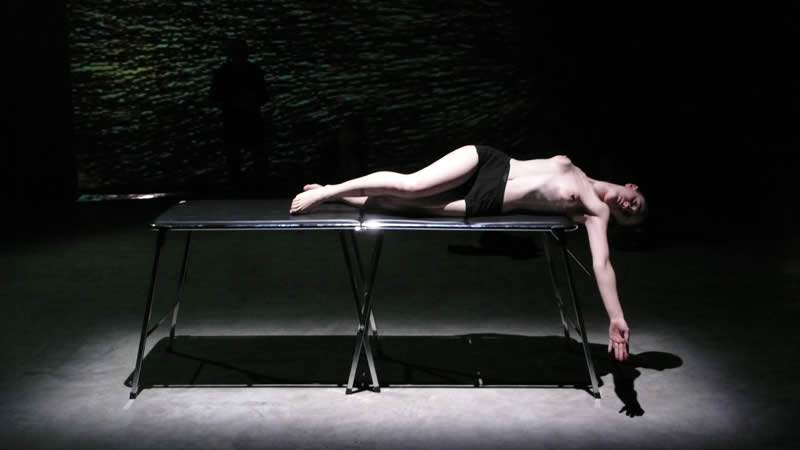
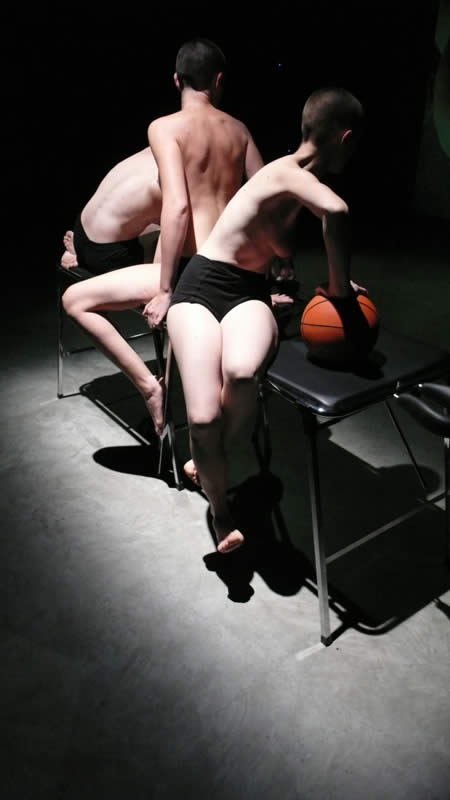
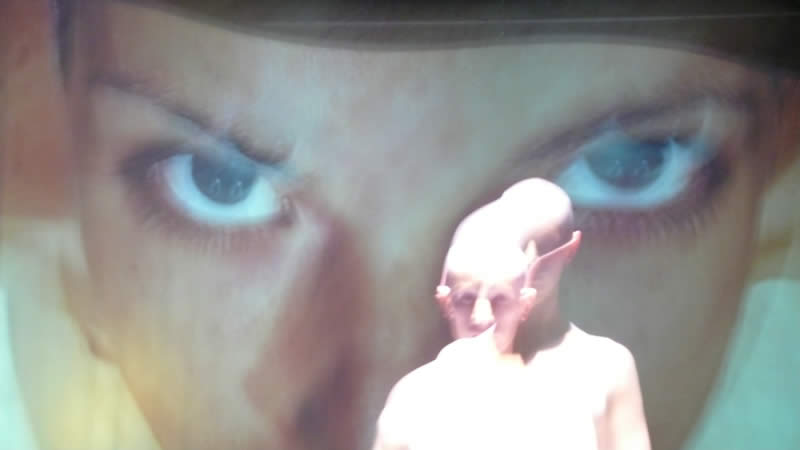
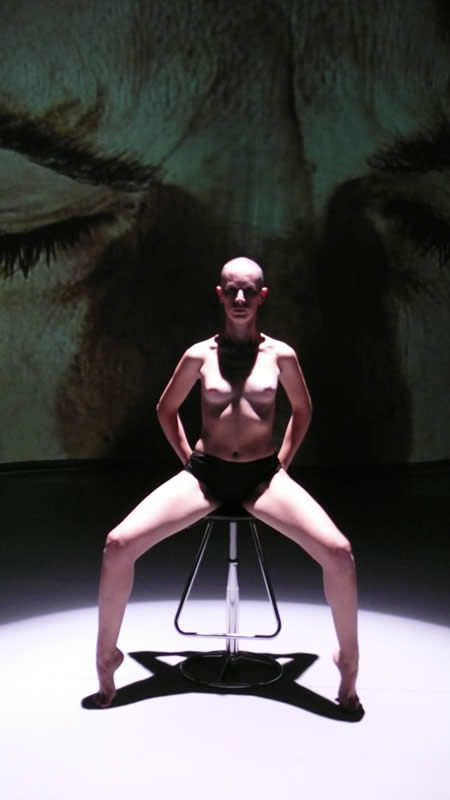
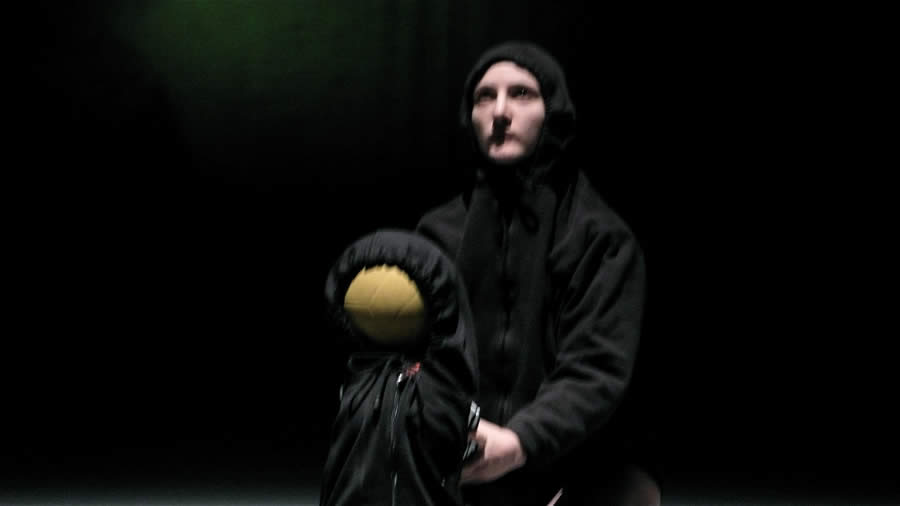
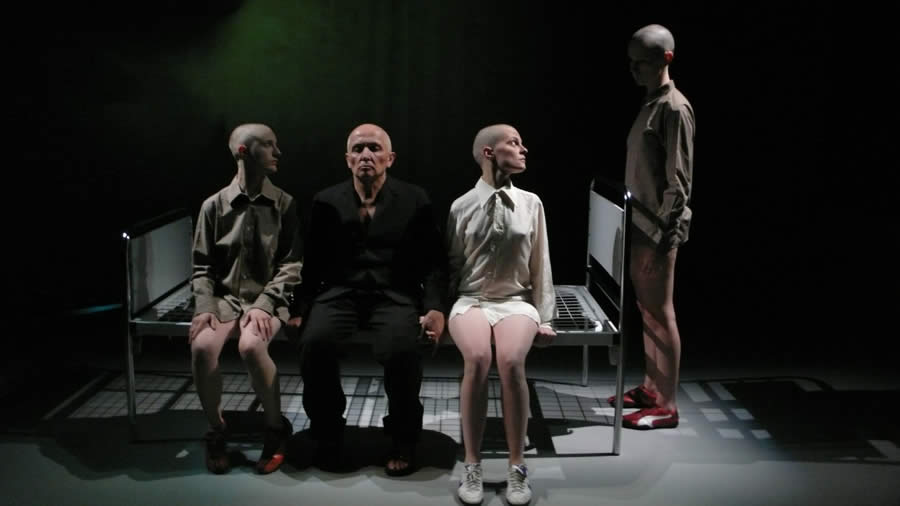
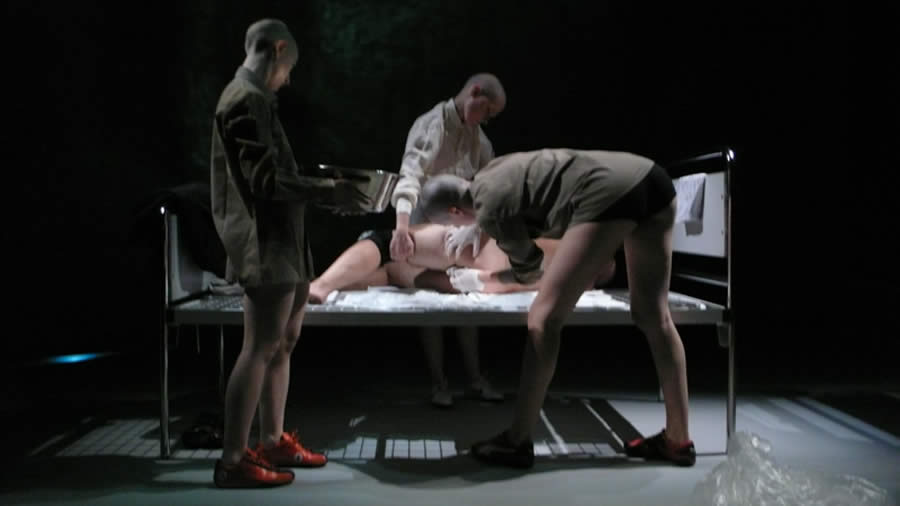
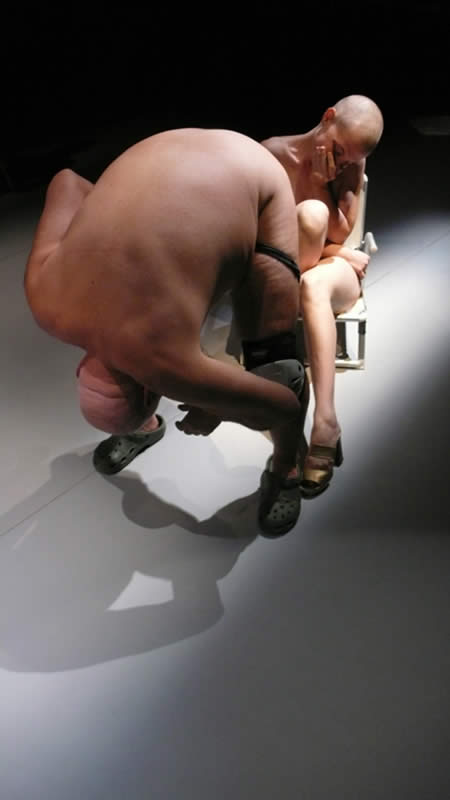
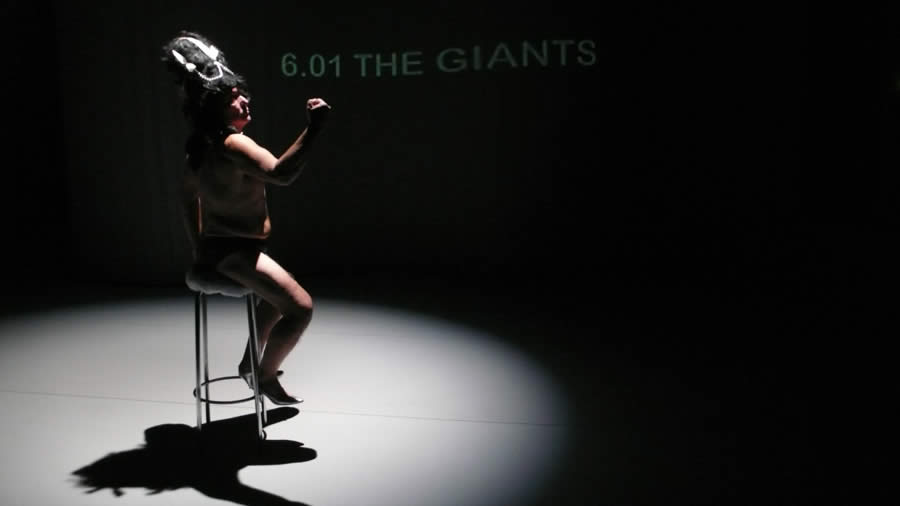
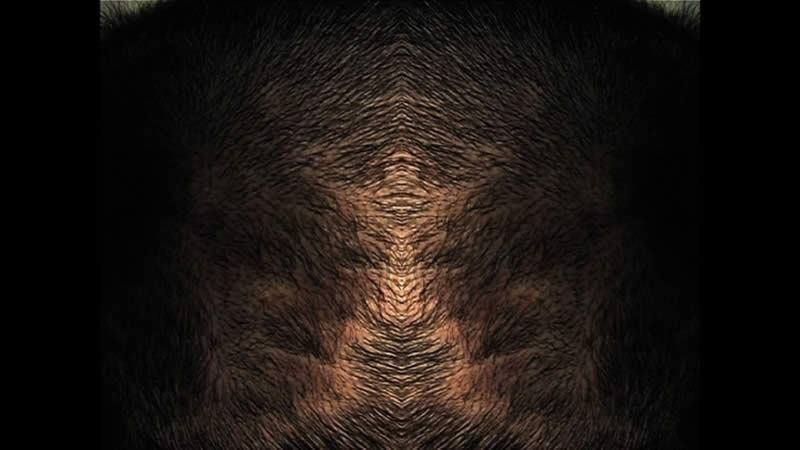
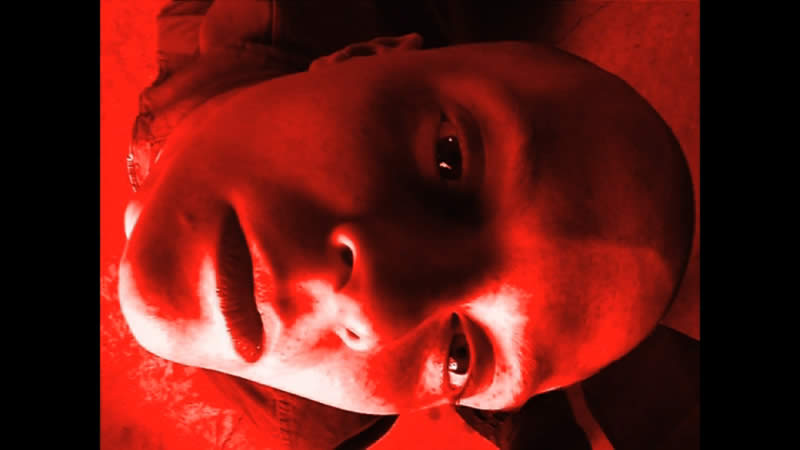
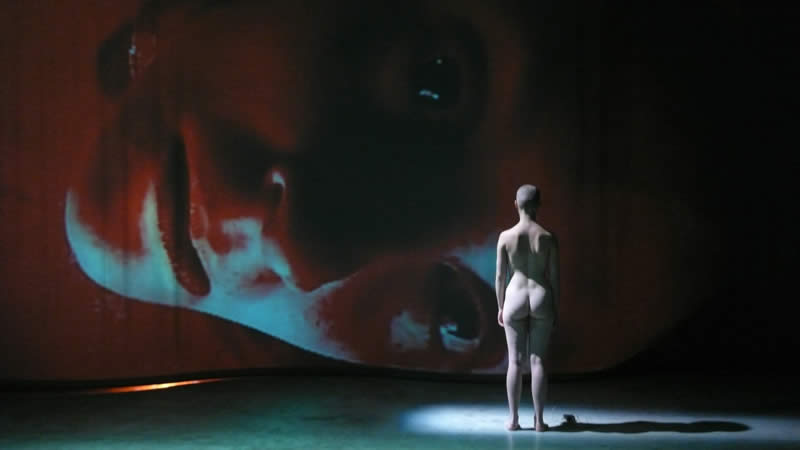
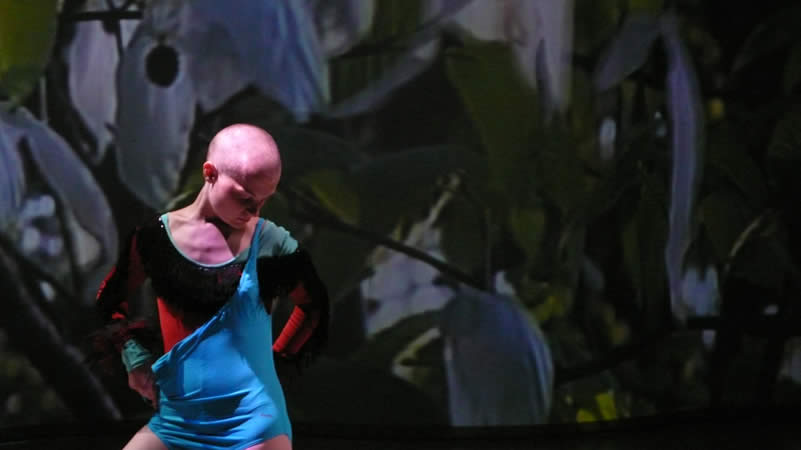
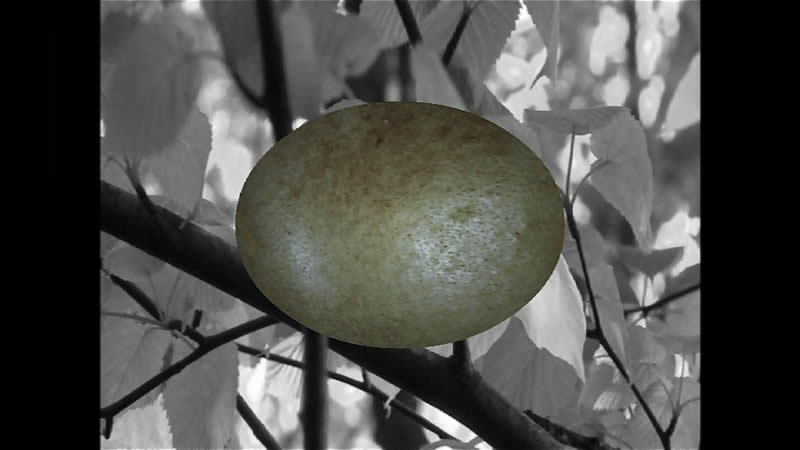
CHAOS, created by Maria Federica Maestri and Francesco Pititto, is a contemporary performative writing starting from the First Book of The Metamorphoses by Publio Ovidio Nasone. The performance project continues a creative journey based on Ovid's work begun in 2007 with the staging of RADICAL CHANGE, performative creation starting from Ovid's Metamorphoses. Born from a visual research, visual, filmic, spatial and sound which uses Ovid's poetic and philosophical reflections on the chaos that precedes the creation of man as a textual and identifying substratum, the new work investigates, with an extreme visual and symbolic power aimed at a scenic composition built through archetypal visions and illuminations, poetic references of an original dimension between myth and matter, the path of generation from universal nothingness to the creation of humanity and the passage through the four ages described by the poet : Golden Age, Silver Age, Bronze Age, Iron Age. The performers' bodies become mythical simulacra capable of reflecting Ovidian poetic impulses through an educational path, built on a scaffolding of attractions and repulsions, contacts and departures, mutual maturations and destructions. The Latin language enters the performative dimension creating a textual frame of great symbolic tension: the words are imprinted in the sequences providing a visionary artistic support that abstracts the gaze from the stage actions. The word becomes an absolute verb inside the bodies of the performers, creating a stratified sound fabric where the pre-human identity of the shapeless and original mass becomes, after an extreme process of evolution, the legend of the birth of man.
GOD.SEPARATION OF ELEMENTS. The young girl presents and exposes her naked body before a series of "badly combined things" begins the overlapping architecture of material and chromatic elements. Before and after the female body is de-constructed and re-constructed by changing shape and content – ante mare et terras … -, the unknown history that each sign/garment brings with it re-forms meaning before and after the here-and-now of the body that appears to us. Informing and confusing, the superimposition builds – level by level – a new gestural and bodily texture, objects literally become incarnate, they deform the profile, create the new shape, the simulacrum of the human.
The young girl, now unique in semantic values, separates and distributes to newborns – in order and harmony – the fragment necessary for the progression of aesthetic creation. New history is generated by the re-form and the generation of new expressiveness, not the other way around. Two bodies were added to the elements, a masculine one already marked by time and a feminine one, a sensitive refraction of the original.
THE EARTH AND THE SEA. But in composing the new scene of the globe, the primary goddess of the division between heaven and earth sends the third imago – arming her with word and voice – to announce the new Everything to the world, texts already written for the reborn human race.
THE FIVE ZONES. The young girl Marion, once lived within the confines of a book – “The Death of Danton” by Georg Büchner – he still enunciates his own double between man and Nature, between consciousness and unconsciousness "I have become like the sea that swallows everything and stirs deeper and deeper".
THE FOUR WINDS. Tour, tour, faster than the earth, the woman who embraces not just one love but all love.
HUMANKIND, the human race with its ball-shaped heads. Shaped like a world. The generation of bloodlines begins, mothers and fathers, sons and sisters, on anatomical beds where procreations and deaths follow one another incessantly and terrifyingly, where children blame their fathers and mothers for the unspeakable suffering and hardship inflicted on them by unwanted births, of the joys and enthusiasms in the future marked by the mathematical rhythms of evolution and continuous becoming. He was born a man.
HUMANKIND: creation wants to create, in its shape and likeness, like a skull a round ball. The artefact wants to become the creator, but the product is weak, he cannot stand the fatigue of the world. The simulacrum of the god is now a simulacrum of himself, while the god watches him from afar.
HUMANKIND. “What is man? How is it possible that there is something that ferments and boils like chaos?” The old man asks himself – as Hölderlin asked himself in his Hyperion -, looked after by the daughters who first cursed him, now it is dried and alone, ready for the next incontinence, to the draining of what is left of one's physical power, only in the suffering of abandonment, with her daughters witnessing her own, intimate and profound, defeat.
GOLDEN, SILVER, BRONZE, IRON AGE. But man regenerates himself, or rather the female more than the male. Regeneration is dramaturgical development, it is change – metamorphosis, radical change, chaos -, the plot of illusion and invention, of lies and poetry, of the stench and scent of the human: Shakespeare. “Come, bitter leader, come you lousy guide! You desperate pilot –“. The old man drops his trousers and shows his nakedness wrinkled by time, takes revenge on the younger bodies and beautiful words of invented worlds. He's a man without words, just noise of desire, of hunting, of apprehension. He will realize that the true always incorporates, sooner or later, the fake: “So with a kiss I die!”
The old man styles himself with pieces of time gone by, of other eras. Other signs.
Only legacies, Departures, one last vulgar gesture, repeated, to the gods. Francesco Pititto
from Book One of Ovid's Metamorphoses
creation || Maria Federica Masters | Francesco Pititto
translation | playwriting | imagoturgy || Francesco Pititto
scenic installation | visual elements || Maria Federica Masters
musica || Andrew Azzali
interpreters || Valentina Barbarini | Joseph Barigazzi | Elena Sorbi | Laura Vallavanti
Project care || Lisa Gilardino
light design || Andrea Morarelli
production || Lenz Refractions
first || Parma, Lenz Theatre, XIII ed.. Nature Gods Theater Festival, 15 November 2008
duration || 60 minutes
The creation was presented: at the Natura Dèi Teatri International Festival in Parma (2008), at Linea d'Ombra-Youth Culture Festival of Salerno (2009).
“Chaos confirms the visionary radicality with which Lenz has been exploring Ovid's Metamorphoses for some time. Here we are at the beginning of time, within the chaos that precedes the birth of humanity, reflected in the indistinctness of the evolving macro anatomical images on the three large screens that delimit the stage space and in the sound magma of Andrea Azzali's music. The distance of the ages of myth is reflected in the lunar bodies on which the performative writing of the two creators operates, Masters and Pititto. Immature bodies of young women with shaved hair clashing with the gravity of an older man (and Elena Sorbi and Laura Vallavanti are very good, acting together with the now veteran Valentina Barberini). They attract and repel each other by playing with the few props, stools, hospital beds, basketballs; they let themselves be crossed by the words of the Latin poem; they monologue with Romeo's & Juliet. Meanwhile they continue to take off and put on t-shirts and shorts. It's there in those bodies, in their gestures that precede the very idea of an action, the sexual energy of a primordial world that can become provocation and violence without reaching eros. And an innocence that hurts. Something that remains and asks not to be consumed quickly, to be seen again. But what a thrill to suddenly hear Hölderlin's words once so loved echo again.".
Gianni Manzella, the poster
If the theater is electrocution and scandal, Chaos that Lenz Rifraczioni extracts with radical visionaryness from Book I of Ovid's "The Metamorphoses" is a great compulsive research, a work on the magma of sensuality. In the creation by Maria Federica Maestri and Francesco Pititto seen at the Festival Culture Giovani in Salerno, they bewitch the audacity of flattery and challenges of three immature female bodies in promiscuity with a mature and impenetrable man, the impulses and pieties of the poet's four eras, and the sounds of his words, di Hölderlin and Shakespeare, while multiple screens give the thrill of close-ups of the skin.
Rodolfo Di Giammarco, the Republic
![[cml_media_alt id='2644']chaos[/cml_media_alt]](https://lenzfondazione.it/wp-content/uploads/2014/07/chaos.jpg)